
By Mr. Huynh – Published:2026-08-21T04:14:24.632Z
[Disclaimer: All content on bingcoin.org is strictly for educational and informational purposes only and should not be construed as financial, legal, or investment advice. Cryptocurrency trading involves high risk. Always Do Your Own Research (DYOR).]
Disclaimer: All content on bingcoin.org is for educational and informational purposes only and should not be construed as financial advice. Always Do Your Own Research (DYOR).
Cryptocurrency has become an integral part of the modern financial landscape. Known for its volatile nature and innovative technology, it has disrupted traditional banking and financial systems. Whether you’re a seasoned investor or someone just curious about the potential of digital currencies, understanding what cryptocurrency is and how it operates can be vital for navigating today’s economy.
The Basics of Cryptocurrency

Cryptocurrency is a type of digital or virtual currency that employs cryptographic techniques for secure transactions. Unlike traditional currencies such as the dollar or euro, cryptocurrencies operate independently of a central authority, like a bank or government.
Key features of cryptocurrency include:
Decentralization: Most cryptocurrencies are decentralized via blockchain technology, meaning they are spread across a network of computers, preventing central points of control or failure.
Transparency: Blockchain technology allows for public verification of all transactions, adding layers of transparency and accountability.
Anonymity: While transactions can be verified, personal information of users is obscured, providing privacy benefits.
How Cryptocurrency Works

Cryptocurrencies function through a combination of cryptography, blockchain technology, and decentralized networks. The most prominent technology is the blockchain, a digital ledger that records all transaction histories over time.
Key Components of Blockchain
Blocks: Record all or part of a batch of valid transactions. Each block is linked to the previous one, creating a chain.
Miners: Special computers called miners validate transactions and record them on the blockchain by solving complex mathematical puzzles.
Consensus Mechanisms: Methods like Proof of Work (PoW) or Proof of Stake (PoS) decide how transactions are validated and added to the blockchain.
Use Cases and Applications

Cryptocurrencies extend beyond being just a medium of exchange. Here are some practical applications:
Payments and Transactions: Cryptocurrencies like Bitcoin and Litecoin can facilitate global transactions with fewer fees compared to traditional methods.
Smart Contracts: Platforms like Ethereum allow developers to build decentralized applications, including smart contracts that automatically execute terms when conditions are met.
Decentralized Finance (DeFi): Cryptocurrencies enable innovative financial services, such as lending, borrowing, and trading without the need for intermediaries like banks.
Types of Cryptocurrencies
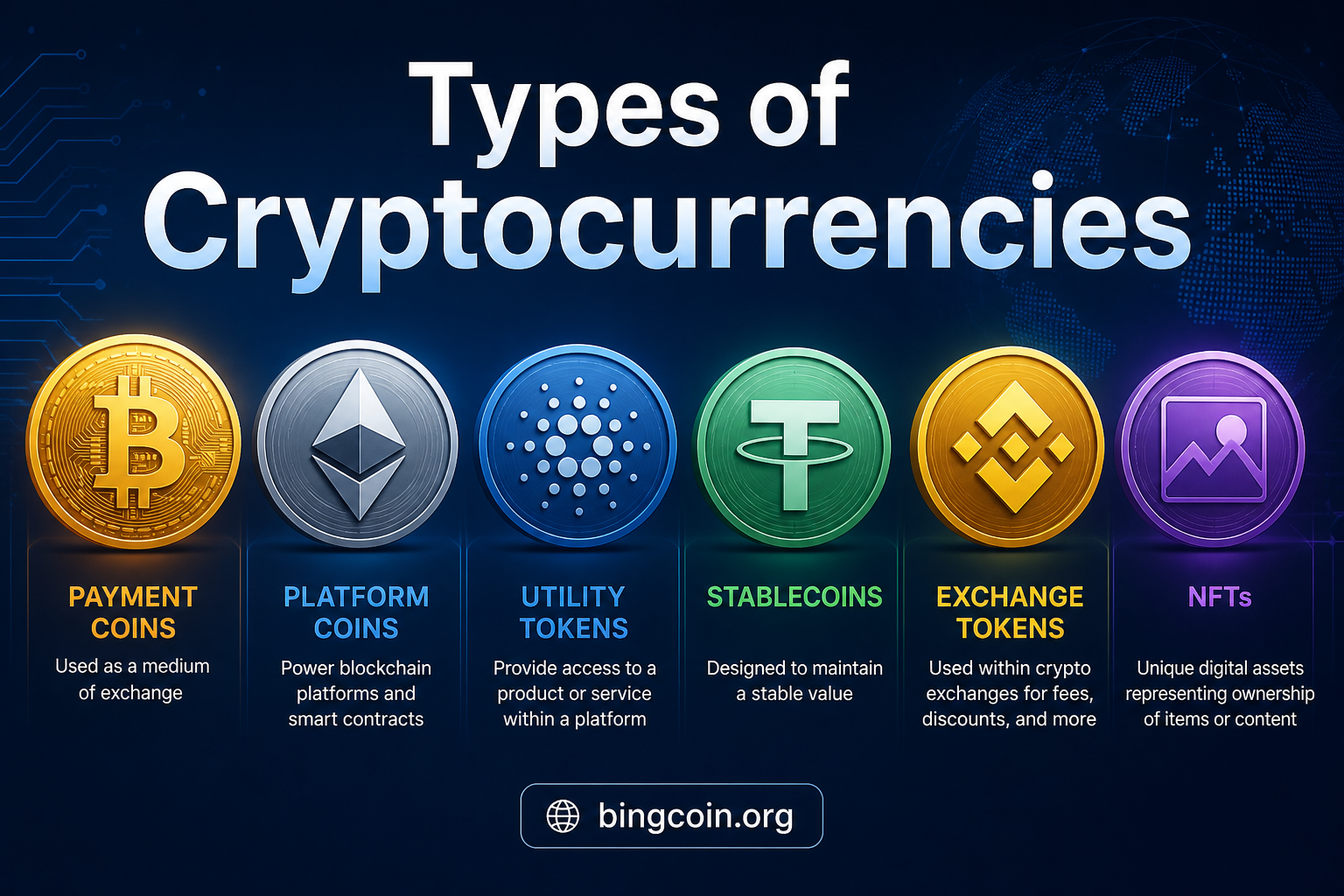
Thousands of cryptocurrencies exist today, each serving different purposes and employing varying technologies.
Major Categories
Bitcoin (BTC):The first and most well-known cryptocurrency, often referred to as digital gold.
Altcoins: All other cryptocurrencies besides Bitcoin. These can include well-known names like Ethereum (ETH) and Ripple (XRP).
Stablecoins: Cryptocurrencies like Tether (USDT) are pegged to stable assets like fiat currencies or commodities, offering reduced volatility.
Risks and Limitations

While cryptocurrencies offer intriguing opportunities, they also come with risks and limitations.
Volatility: Prices can be highly volatile, leading to significant investment risks.
Security Issues: While blockchain technology itself is secure, cryptocurrencies are not immune to hacking or fraud.
Regulatory Challenges: The regulatory landscape is constantly changing, which can impact market conditions and legal aspects.
Evaluating Cryptocurrencies: What to Consider

When assessing cryptocurrencies, potential investors and users should take into account several factors:
Purpose and Functionality: Understand what problem the cryptocurrency aims to solve.
Market Capitalization and Volume: A gauge of a cryptocurrency’s popularity and liquidity.
Community and Development Activity: Active community engagement and continuous development are positive indicators.
By considering these aspects, individuals can make informed decisions about entering the cryptocurrency market.
Cryptocurrency represents a transformative shift in how value is perceived and transacted in the modern economy. While offering significant benefits such as transparency and security, it also presents challenges such as volatility and regulatory uncertainty. As the digital asset landscape continues to evolve, staying informed and cautious will be crucial for anyone looking to capitalize on its potential.
Author: Mr. Huynh & Bingcoin Editorial Team