By Mr. Huynh – Published:2026-09-15T12:45:21.960Z
[Disclaimer: All content on bingcoin.org is strictly for educational and informational purposes only and should not be construed as financial, legal, or investment advice. Cryptocurrency trading involves high risk. Always Do Your Own Research (DYOR).]
Understanding Total Value Locked (TVL)
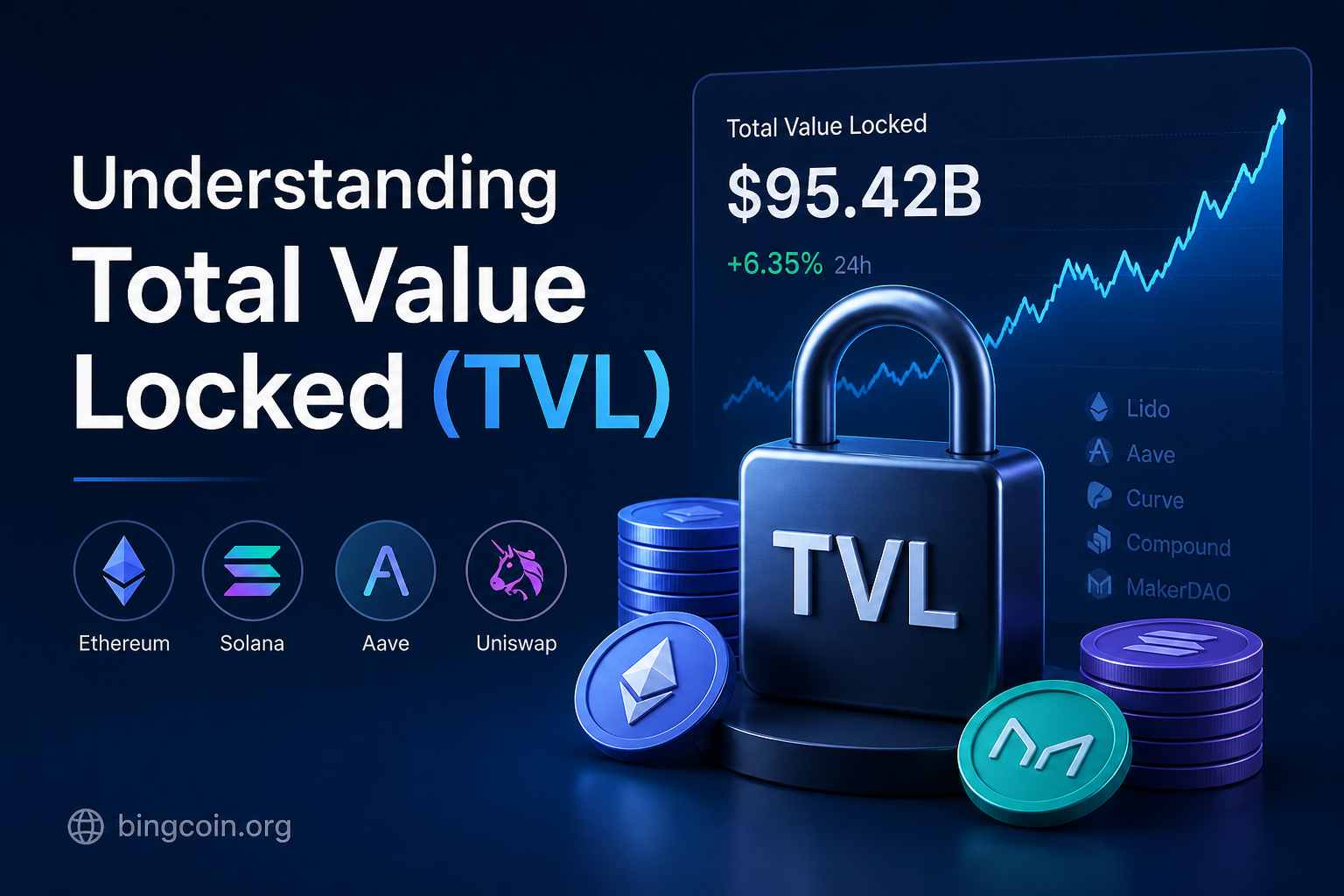
Total Value Locked (TVL) is a vital metric in the DeFi landscape, representing the total capital locked within a protocol’s smart contracts. It serves as an indicator of the protocol’s market trust and potential for yield generation. Essentially, TVL encapsulates the cumulative value of all crypto assets deposited into a DeFi protocol, including lending platforms, decentralized exchanges (DEXes), and liquidity pools.
TVL is pivotal for users and investors as it signals the level of engagement and confidence in a protocol. A higher TVL suggests that a protocol is more reliable and potentially more rewarding, reflecting greater liquidity, adoption, and trust. It’s important to understand that TVL does not directly measure profitability but rather the amount of activity and interest in a protocol.
What is DeFiLlama?
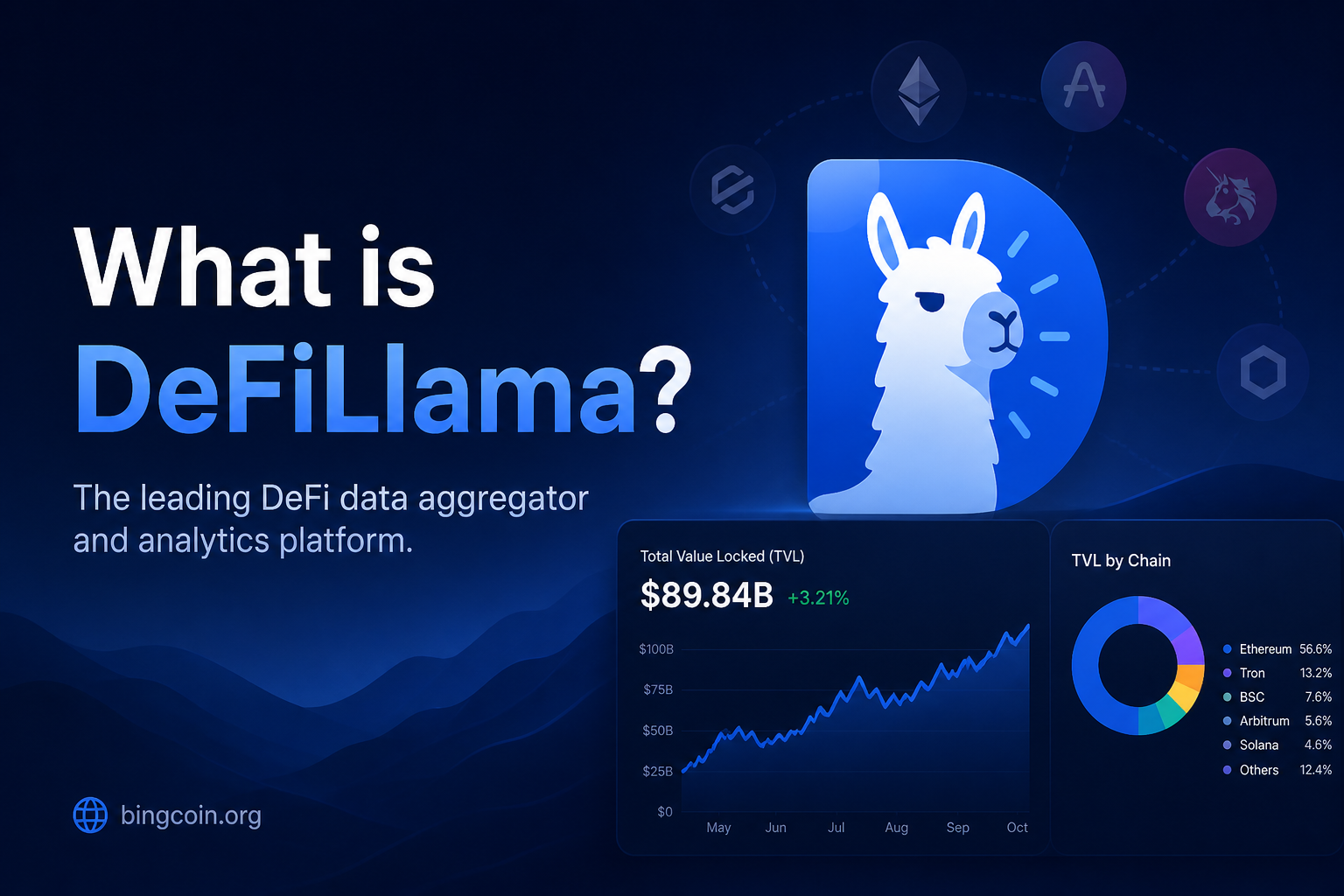
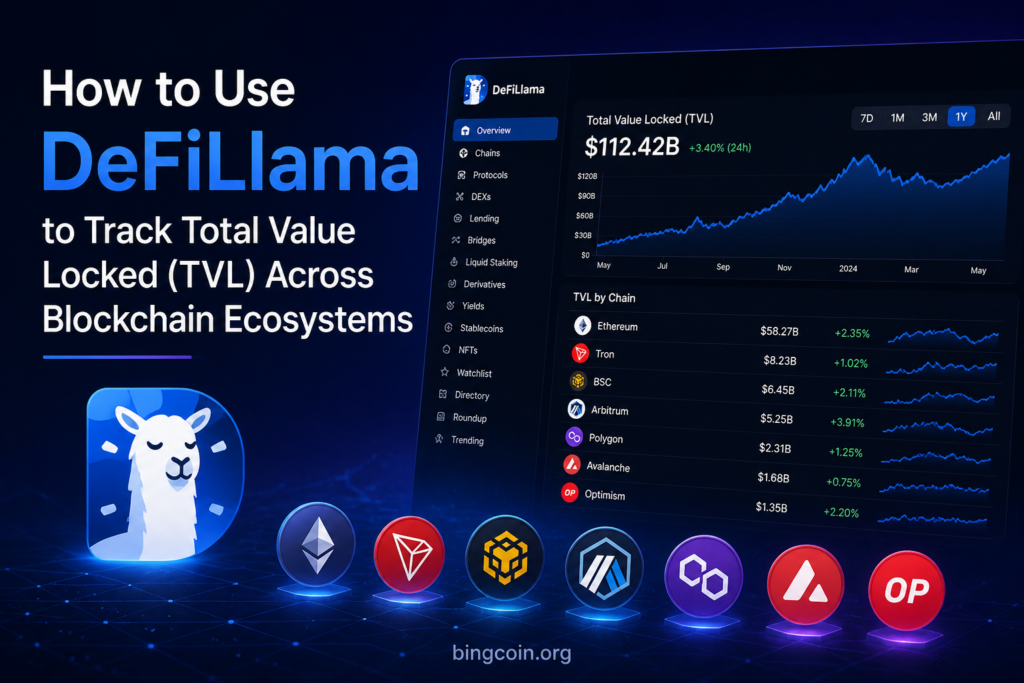
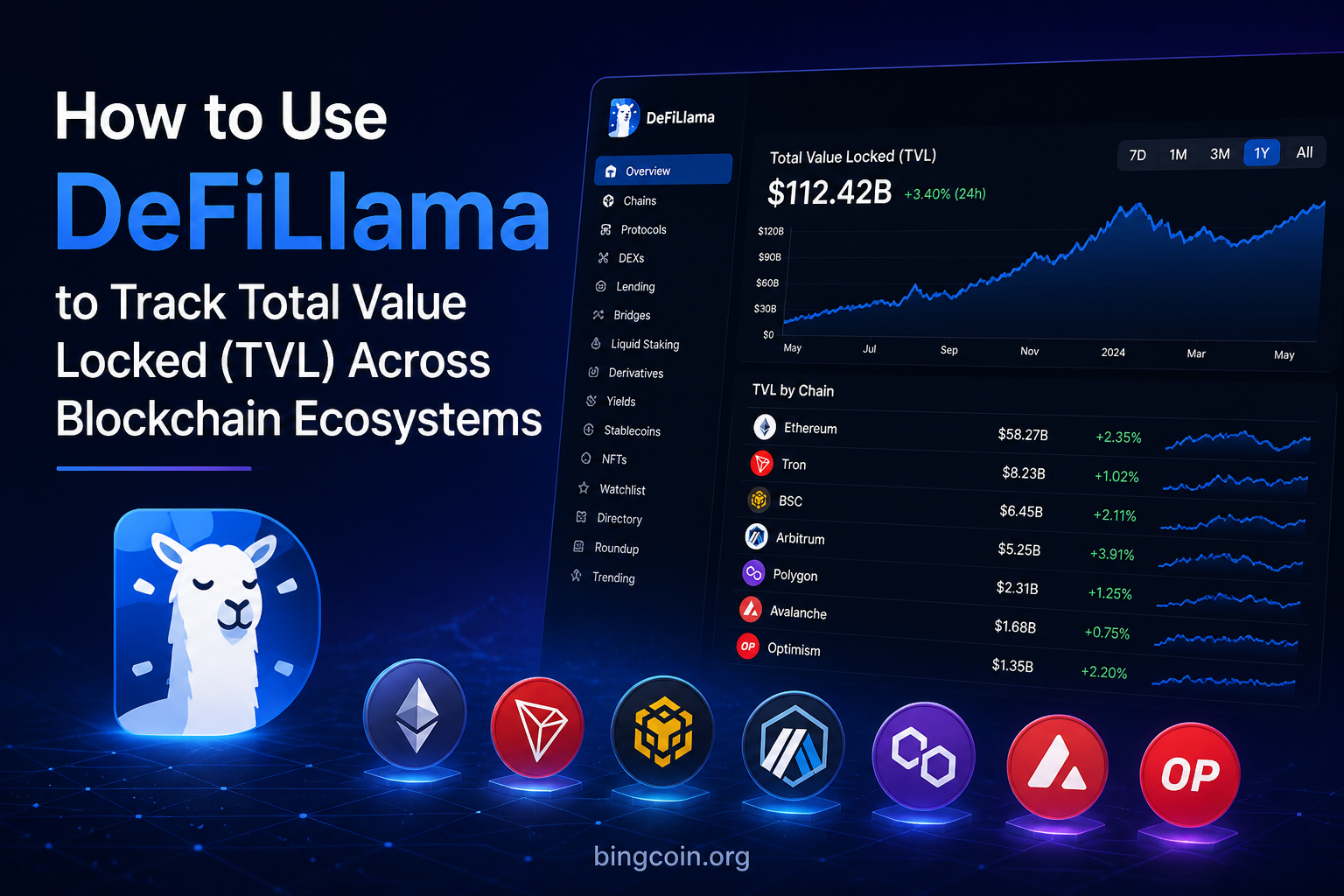
DeFiLlama is a data aggregator specifically focused on DeFi protocols across various blockchain networks. It provides a comprehensive view of the TVL across these protocols, enabling users to assess where liquidity is being directed in the DeFi space. Designed with precision and depth, DeFiLlama stands out for its user-friendly interface and extensive data coverage, ranging from Ethereum to less publicized blockchain ecosystems.
One reason DeFiLlama has become a go-to resource in the crypto community is its open-source approach, which invites contributions and fosters transparency. The platform is continually updated, reflecting new data and emerging protocols, ensuring users access the most current insights into the DeFi ecosystem.
How to Navigate DeFiLlama
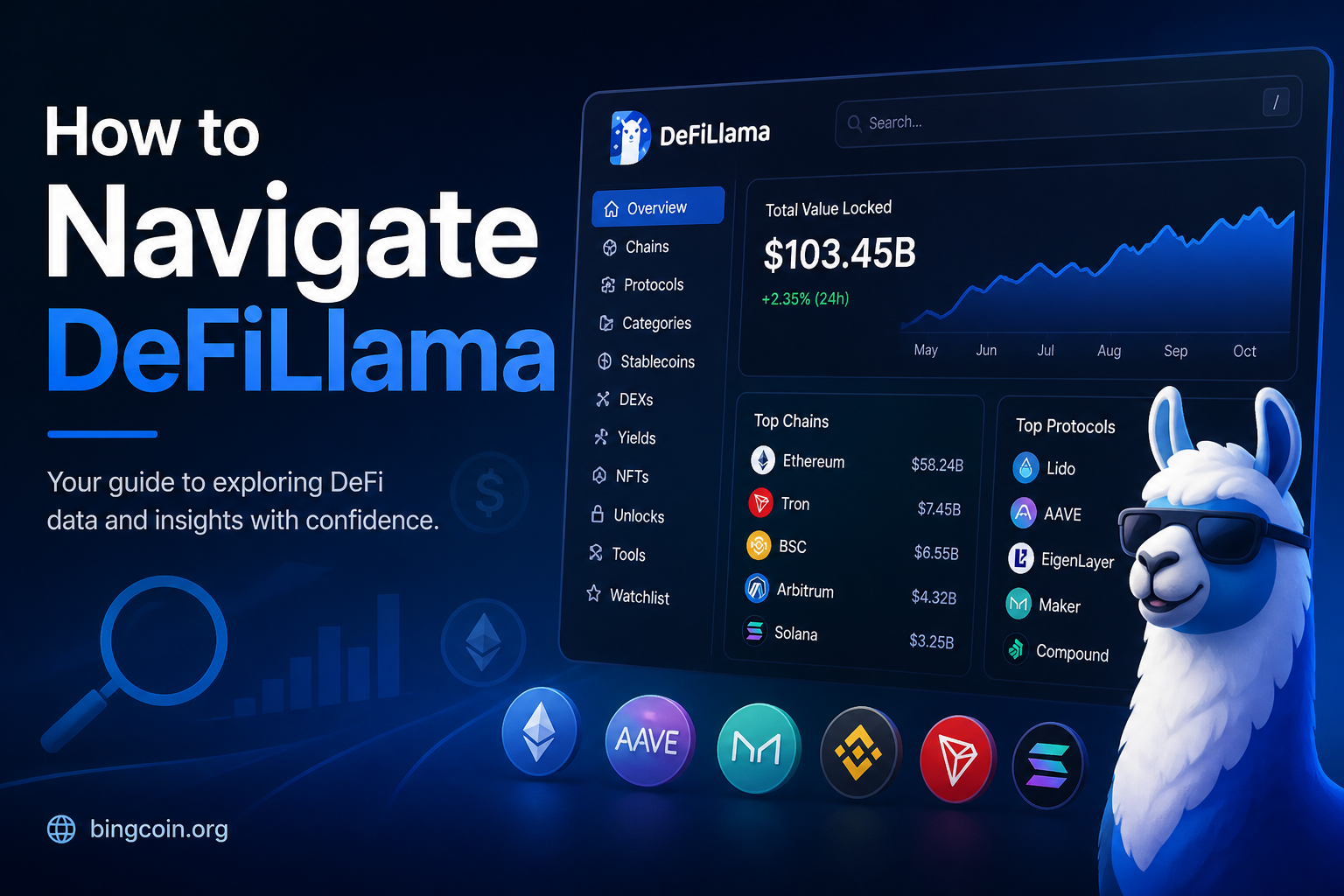
To effectively leverage DeFiLlama, users need to navigate its straightforward interface tailored to deliver essential data swiftly. Upon reaching the homepage, the platform instantly presents a summary of TVL across multiple blockchains. Users can toggle between different timeframes, such as weekly or monthly changes, and observe how TVL evolves over time.
Key Features to Explore
- Chain Overview: Provides a snapshot of the TVL on various blockchain networks, allowing comparison between ecosystems.
- Protocol Listing: Offers detailed insights into individual DeFi protocols, documenting their TVL, historical performance, and recent activity trends.
- Category Analysis: Allows users to analyze TVL within specific protocol categories, such as lending, exchanges, or asset management, offering customized perspectives.
These features empower both novice and veteran users to make informed assessments of DeFi protocols, enhancing their investing and participating strategies within the DeFi market.
The Importance of TVL in DeFi Analytics
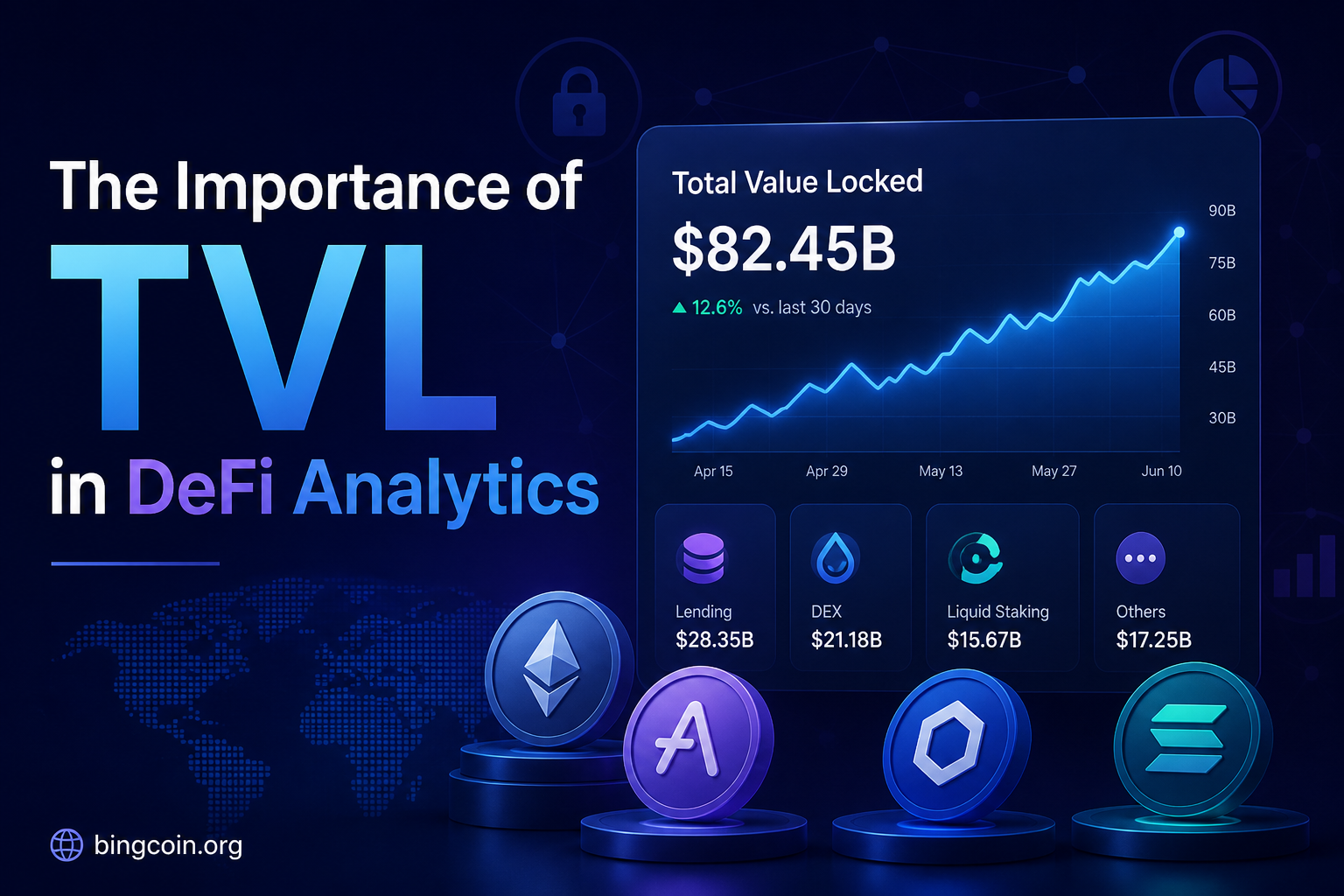
In the intricate world of DeFi, TVL serves not only as a metric for market comparison but also as a strategic tool for investors and developers. Analysts use TVL data to gauge user confidence in a given protocol. A consistent increase in TVL often correlates with robust growth potential and enhanced user trust, while declining TVL might indicate retreating investor interest or looming liquidity concerns.
Correlations between TVL and Market Movements
Analyzing TVL alongside other financial metrics such as market cap and trading volume offers a deeper understanding of market movements. When TVL and market cap grow in tandem, it often indicates a healthy ecosystem with sustainable user growth. Conversely, discrepancies between these metrics might signal caution, suggesting either overvaluation or risk factors yet to be reflected in TVL data.
Potential Risks and Misinterpretations of TVL Data
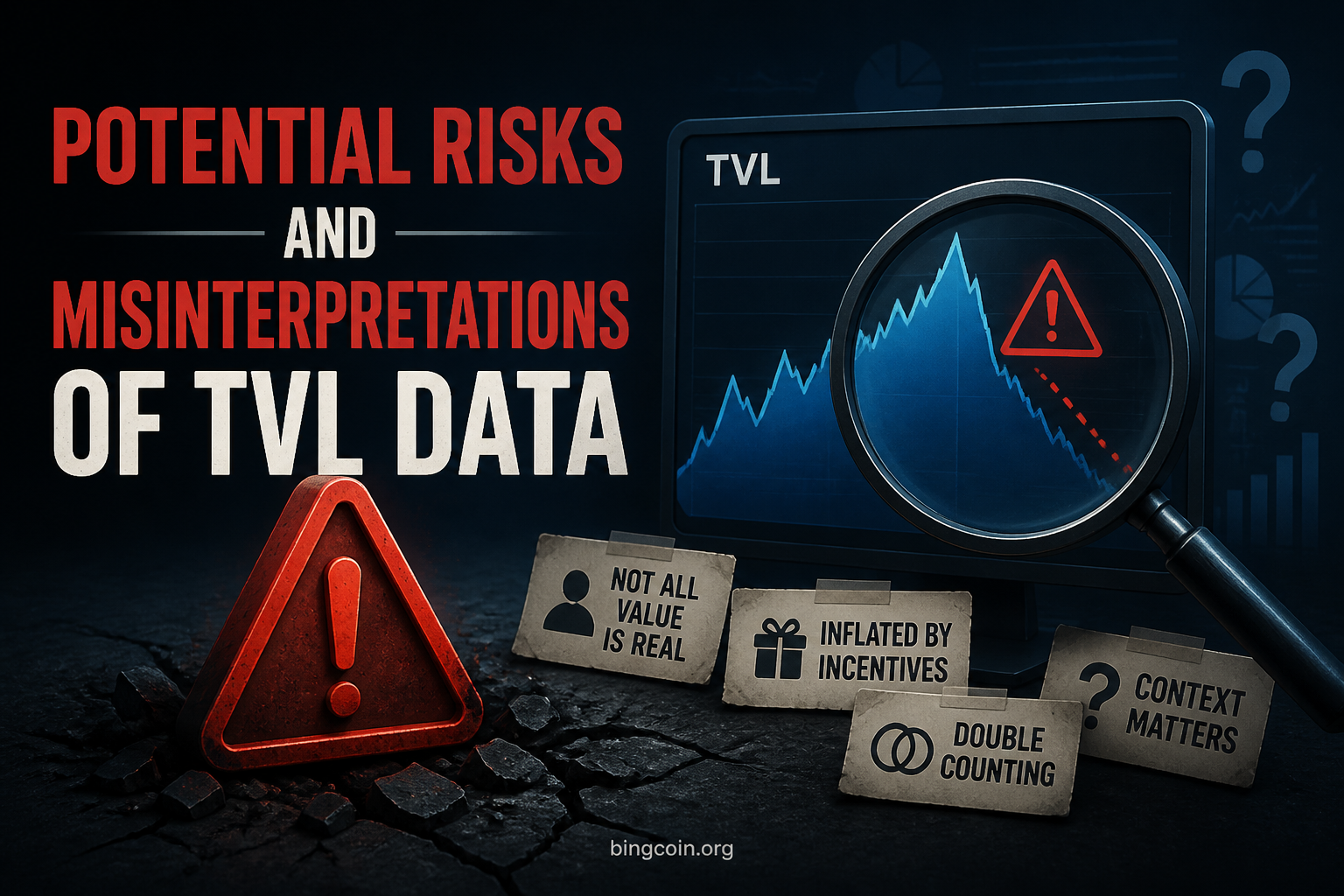
While TVL is an indispensable measure in DeFi, it is not without its limitations and potential misinterpretations. A careful approach is necessary when using TVL as a standalone metric to evaluate the credibility of a protocol, as it doesn’t account for the qualitative aspects such as security vulnerabilities or governance structure.
Liquidity Mining and Yield Distortions
Protocols offering high yield incentives for liquidity mining can experience artificially inflated TVL. Such practices may misleadingly represent a protocol’s success, as the underlying user engagement might be less robust than the TVL suggests. Investors are urged to look beyond headline TVL and scrutinize the tokenomics and risk associated with these incentives.
The Future of TVL and DeFiLlama
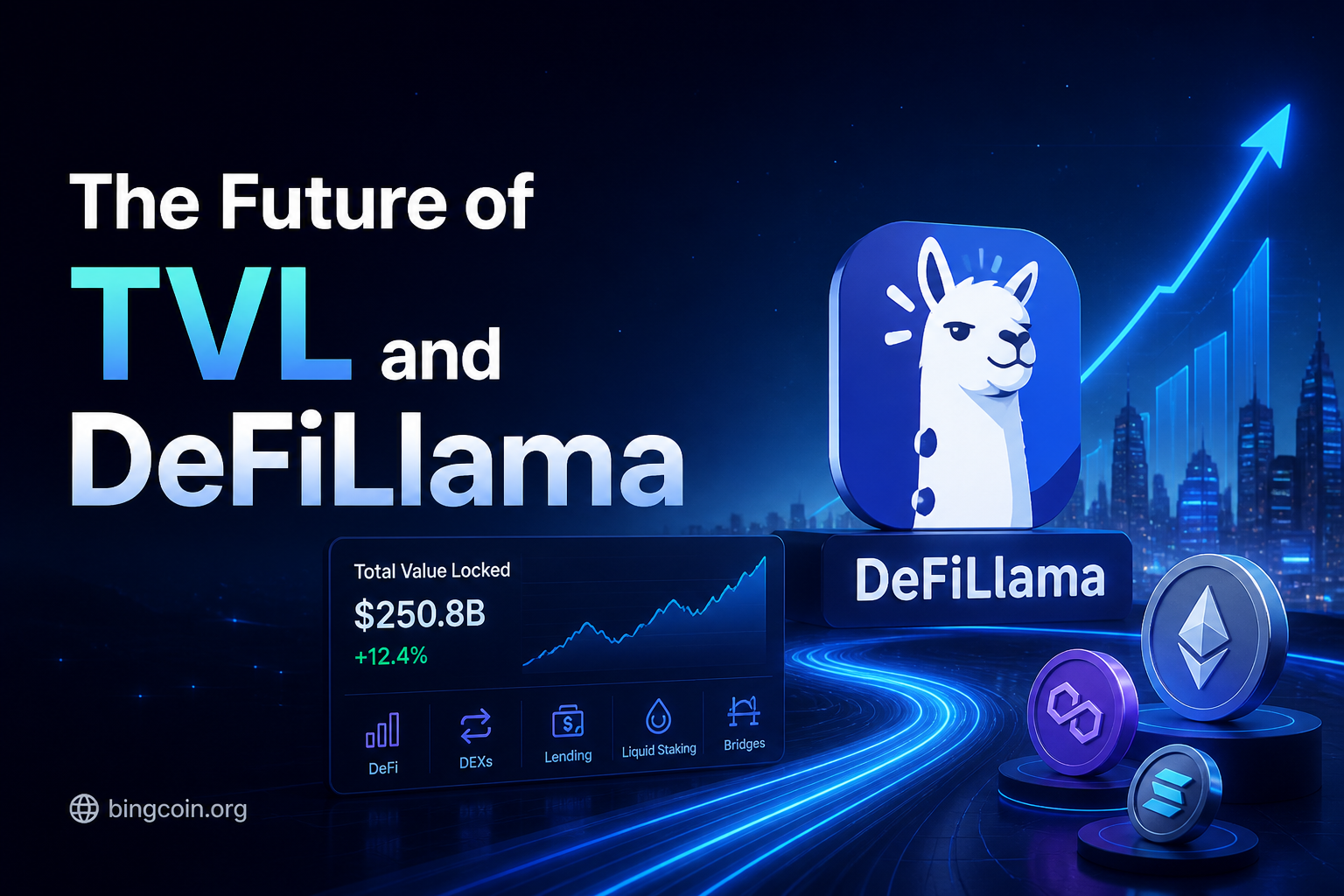
Looking ahead, the role of TVL and platforms like DeFiLlama is expected to grow in complexity and utility. As the DeFi landscape expands with innovations like Layer 2 solutions, interoperable blockchains, and cross-chain liquidity pools, DeFiLlama will likely adapt by incorporating more nuanced analytics and geopolitical insights into its platform.
Moreover, as regulatory scrutiny increases, tools that offer transparency and accurate data will be essential in navigating legal frameworks and maintaining DeFi’s growth trajectory. By keeping infrastructure adaptable, DeFiLlama positions itself to remain a pivotal resource as decentralized finance continues its evolution.
In a rapidly evolving DeFi landscape, tracking, and understanding Total Value Locked (TVL) empowers users and investors with crucial insights into market dynamics and project viability. Platforms like DeFiLlama are at the forefront, offering invaluable analytics and comprehensive data, which is paramount for informed decision-making and strategic planning within decentralized finance.
References & Further Reading
- DeFiLlama — The primary platform for tracking TVL across different blockchain networks.
- Coinbase Blog — Offers insights into the significance of TVL in evaluating DeFi projects.
- The Block — Provides data analytics and commentary on the state of the DeFi market.
- CoinGecko — Extensive data about cryptocurrencies and DeFi projects including TVL.
- Messari — Offers in-depth research on the cryptocurrency market, including decentralized finance protocols.