By Mr. Huynh – Published:2026-09-29T04:40:22.584Z
[Disclaimer: All content on bingcoin.org is strictly for educational and informational purposes only and should not be construed as financial, legal, or investment advice. Cryptocurrency trading involves high risk. Always Do Your Own Research (DYOR).]
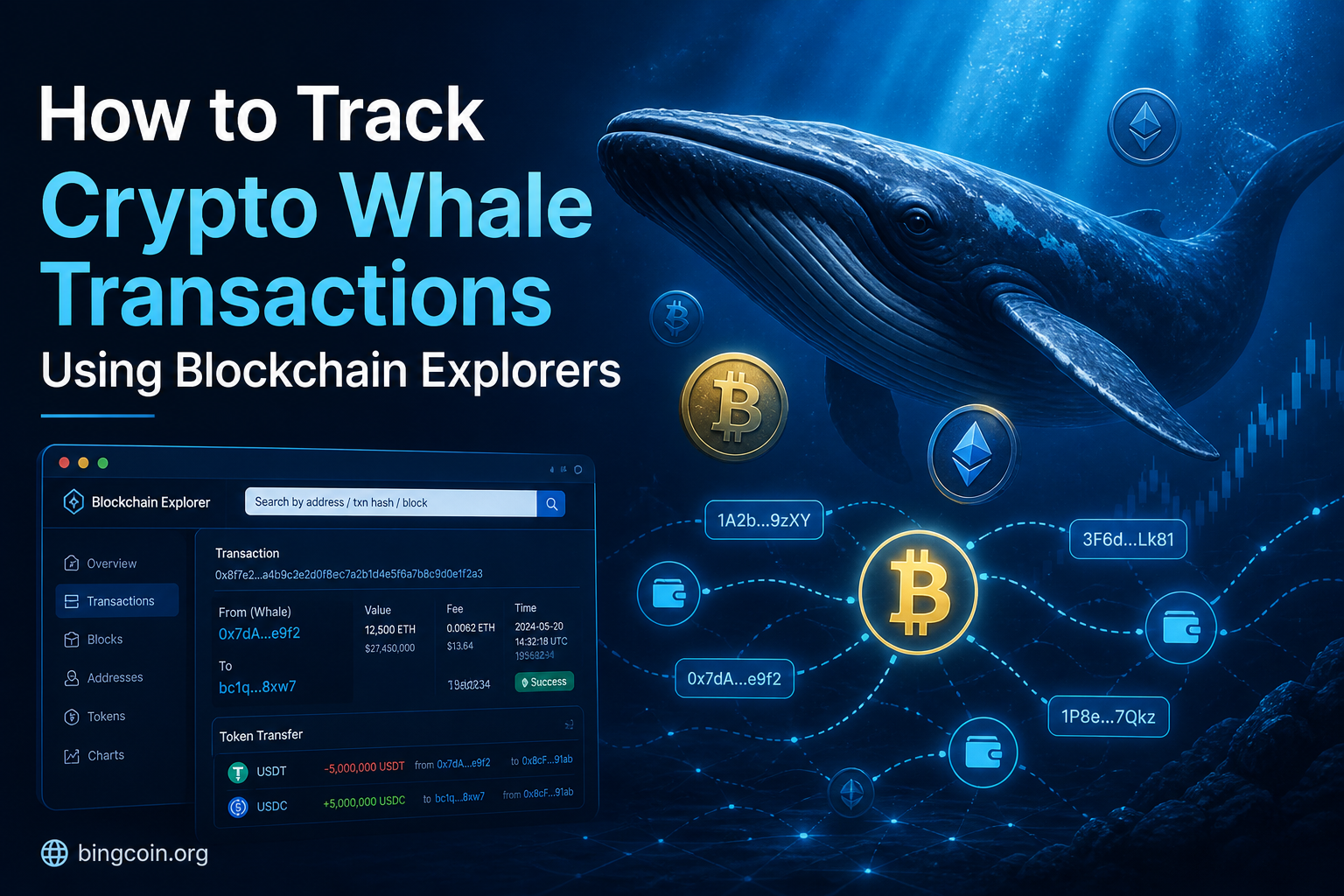
Understanding Crypto Whales and Their Impact

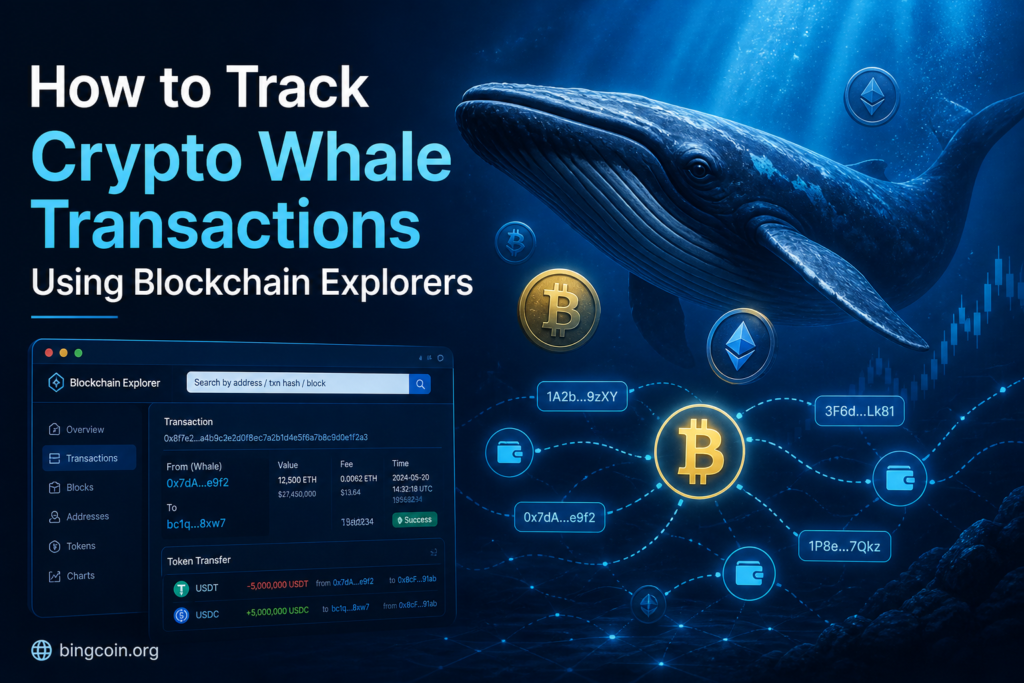
Crypto whales are individuals or entities that hold large amounts of cryptocurrency, often significant enough to influence market volatility. These holders can include early adopters, institutional investors, or trusts and aggregate funds. The sheer volume of their holdings means that any transaction they make can have profound effects on supply and demand dynamics, and consequently, on the price of cryptocurrencies.
When a whale sells a substantial portion of their holdings, it increases supply, potentially driving down prices. Conversely, significant purchases can increase demand, leading to price inflations. Recognizing and understanding whale activities can therefore provide smaller investors with valuable market insights.
What Are Blockchain Explorers?
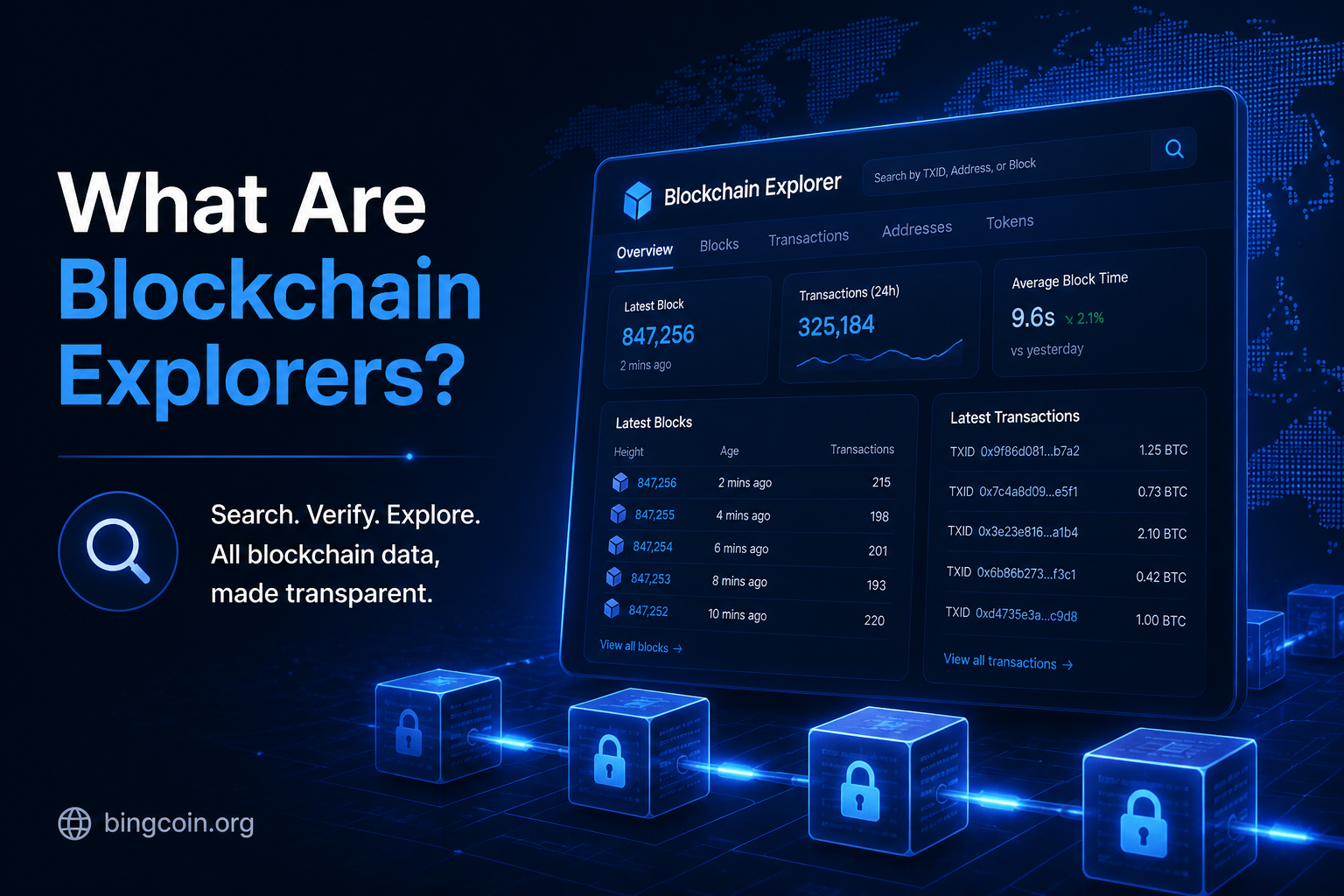
Blockchain explorers are specialized tools designed to interact with blockchain ledgers, allowing users to search data on transactions, addresses, blocks, and more in real-time. They are essentially search engines for blockchains, enabling users to delve into the intricate details of any transaction, which can be crucial for identifying patterns without compromising the pseudonymous nature of crypto transactions.
These explorers provide a variety of features, such as tracking the status of transactions, discovering wallet histories, and analyzing the volume of smart contract interactions. Popular blockchain explorers include Blockchain.com explorer for Bitcoin and Etherscan for Ethereum.
How to Use Blockchain Explorers for Tracking
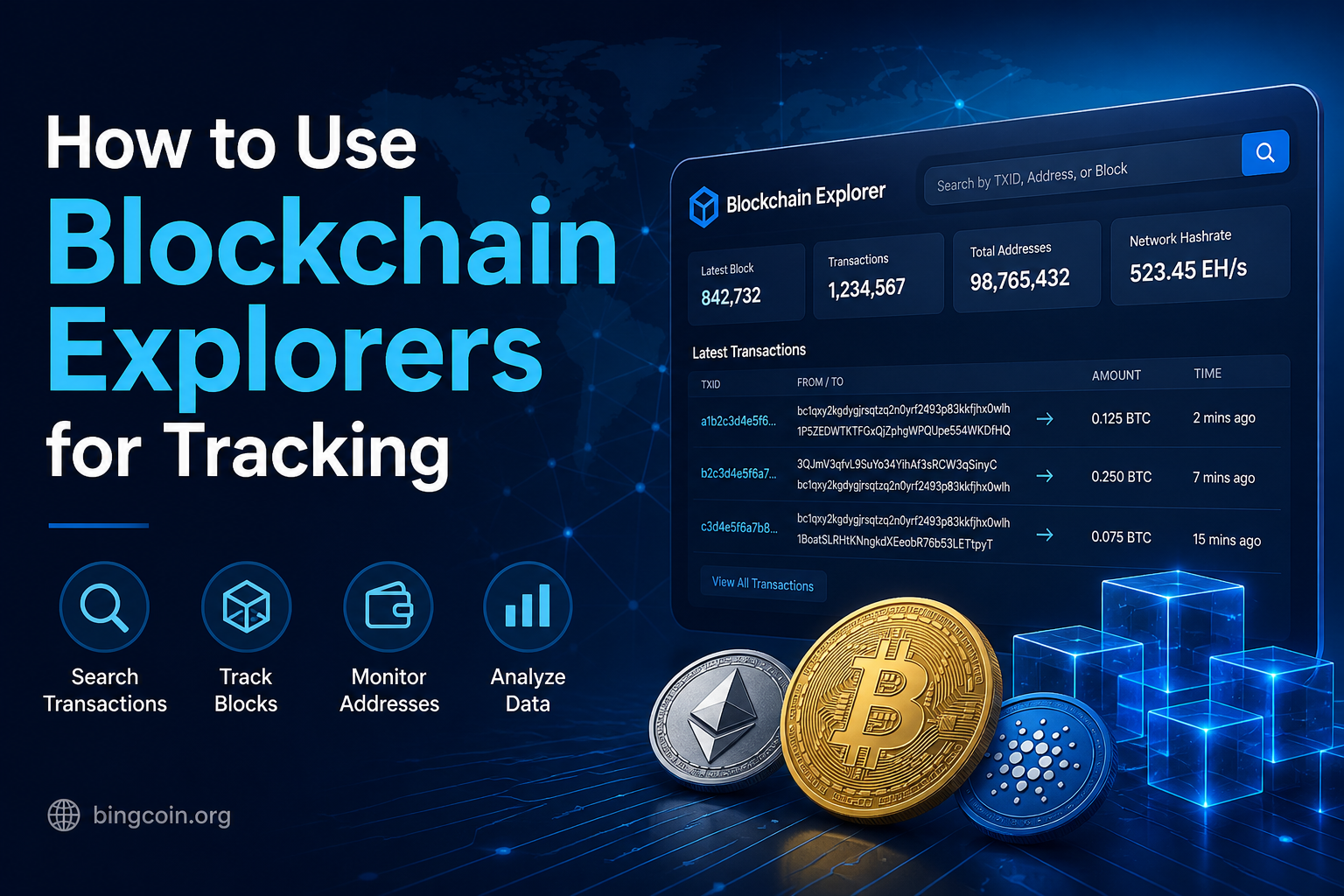
Tracking whale transactions involves accessing blockchain explorers to scrutinize large transactions and wallet activities. Here are the steps typically involved:
- Identify suspicious wallet addresses: Use explorer tools to identify addresses linked with massive transactions. Whale wallets are often characterized by their high balances and transaction volumes.
- Analyze transaction history: Examine transaction timestamps, blockchain confirmations, and transferred amount to understand a whale’s activity timeline.
- Monitor alerts and analytics: Utilize explorer analytics for setting alerts for transactions over a certain threshold, indicating potential whale activity.
Once identified, these whale movements can offer predictions on trends and potential market impacts, allowing savvy investors to adjust strategies accordingly.
Technical Challenges and Considerations
While blockchain explorers provide transparency, there are technical challenges worth noting. The pseudonymous nature of blockchain means identifying the real-world identities of whale wallet holders is almost impossible. This anonymity can lead to misleading interpretations if one only focuses on transaction sizes without context.
Moreover, the sheer volume of data on popular blockchains can be overwhelming. As a solution, explorer platforms offer filtering tools to sift through meaningful data efficiently. Another consideration is network congestion, which can delay the update of transactions, occasionally causing inaccurate real-time tracking.
Real-World Applications and Impact

Tracking whale transactions has real-world applications beyond individual investor strategy. Regulatory bodies might monitor such transactions to detect and prevent illicit activities. For instance, substantial, uncharacteristic transfers can hint at money-laundering attempts or market manipulations.
Additionally, whale movements can influence news cycles and public sentiment. Media outlets frequently report on large transactions, which can trigger subsequent market reactions. As a result, understanding these patterns can be beneficial for financial analysts and blockchain researchers.
Emerging Tools and Technologies

To better track whale transactions, new technologies are evolving alongside blockchain explorers. Advanced algorithms and AI models are increasingly used for predictive analytics, offering more precise inspections of whale activities.
For instance, some platforms offer AI-driven tools that automatically detect anomalies, highlighting suspicious transactions with potential market implications. These tools can process blockchain data more swiftly and with better accuracy than manual checks, making them valuable in a rapidly evolving market landscape.
The Future of Whale Tracking
The continuous evolution of blockchain and cryptocurrency technologies promises ever more sophisticated methods for tracking whale transactions. Future developments in quantum computing and enhanced cryptographic protocols may further impact the effectiveness of these explorers.
For now, as the cryptocurrency ecosystem matures, the need for transparency and regulatory oversight will likely push further innovation in tools and methodologies for monitoring whale activities. Investors and developers alike should keep an eye on emerging technologies that might alter how blockchain data is tracked and interpreted.
Tracking whale transactions via blockchain explorers offers significant insights into the financial movements within the crypto markets. Despite challenges, these tools provide essential transparency, helping investors and regulators understand and anticipate market behaviors. As blockchain and related technologies advance, so too will the capabilities of these explorers, enabling deeper insights into whale strategies and dynamics.
References & Further Reading
- Blockchain.com Explorer — Comprehensive Bitcoin blockchain explorer tool.
- Etherscan — A leading Ethereum blockchain explorer.
- CoinDesk — Explanation of crypto whales and their impact.
- Investopedia — Definition and uses of blockchain explorers.
- CoinTelegraph — Latest news on cryptocurrency and blockchain developments.
- Messari — Crypto market data and real-time news updates.
- Decrypt — Explainers on how blockchain transactions can be tracked.