By Mr. Huynh – Published:2026-09-16T08:10:06.297Z
[Disclaimer: All content on bingcoin.org is strictly for educational and informational purposes only and should not be construed as financial, legal, or investment advice. Cryptocurrency trading involves high risk. Always Do Your Own Research (DYOR).]
The Evolution and Importance of On-Chain Data Analysis
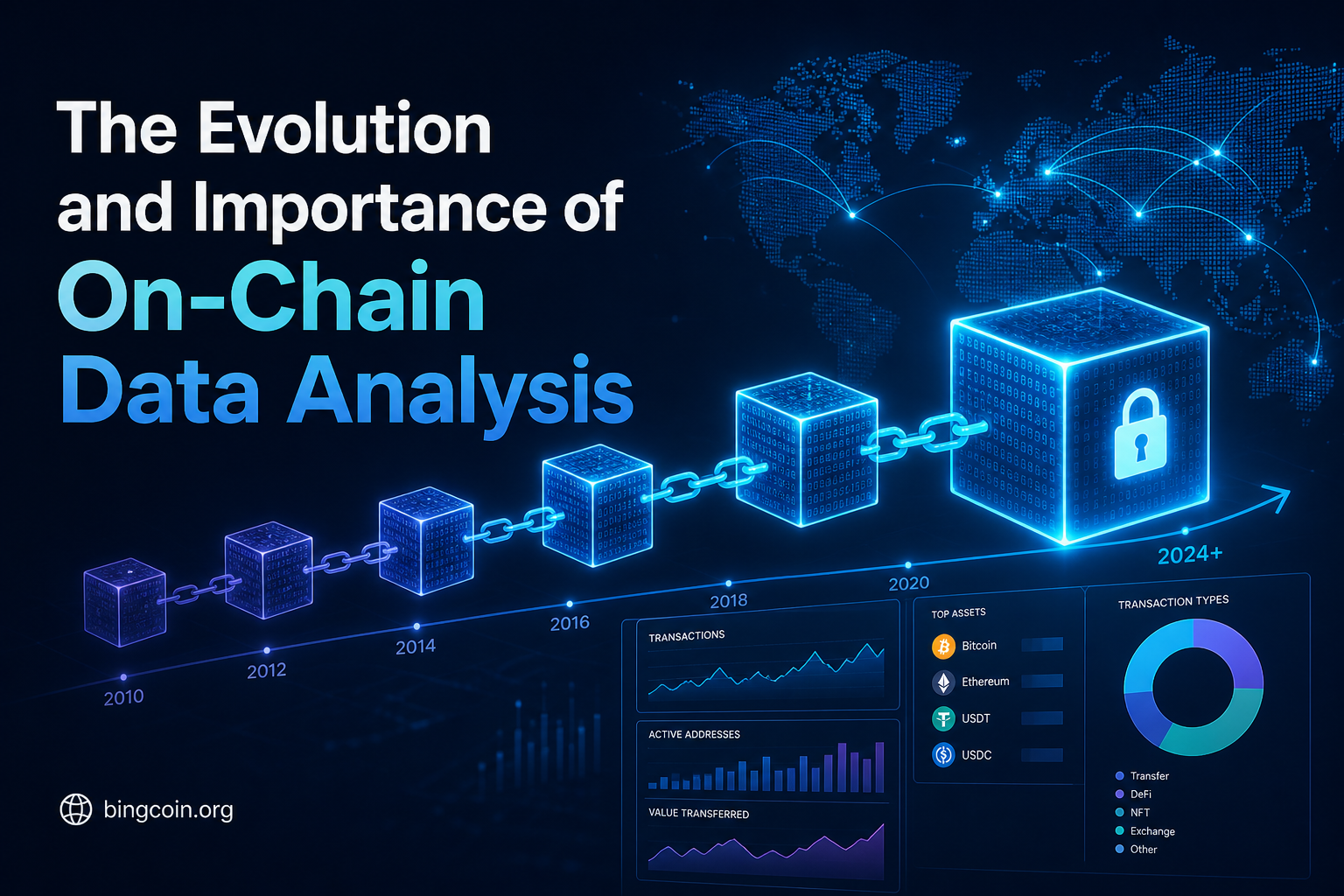
Blockchain technology is often celebrated for its transparency, yet the vast sea of on-chain data can be overwhelming without the proper tools. Dune Analytics was born out of a necessity to harness this data into actionable insights. Understanding its evolution helps contextualize its current capabilities.
Initially, blockchain data was accessible yet complex to interpret due to its raw, unrefined nature. Many early adopters found it challenging to extract useful information from blockchain transactions without substantial technical expertise. This gap sparked the development of platforms like Dune Analytics, which aim to democratize access to blockchain data.
In today’s digital economy, decentralized finance (DeFi) and non-fungible token (NFT) markets rely heavily on this transparency. Platforms like Dune provide customized dashboards that allow users to make informed decisions based on real-time data, enhancing operational efficiency and investment strategies.
How Dune Analytics Works
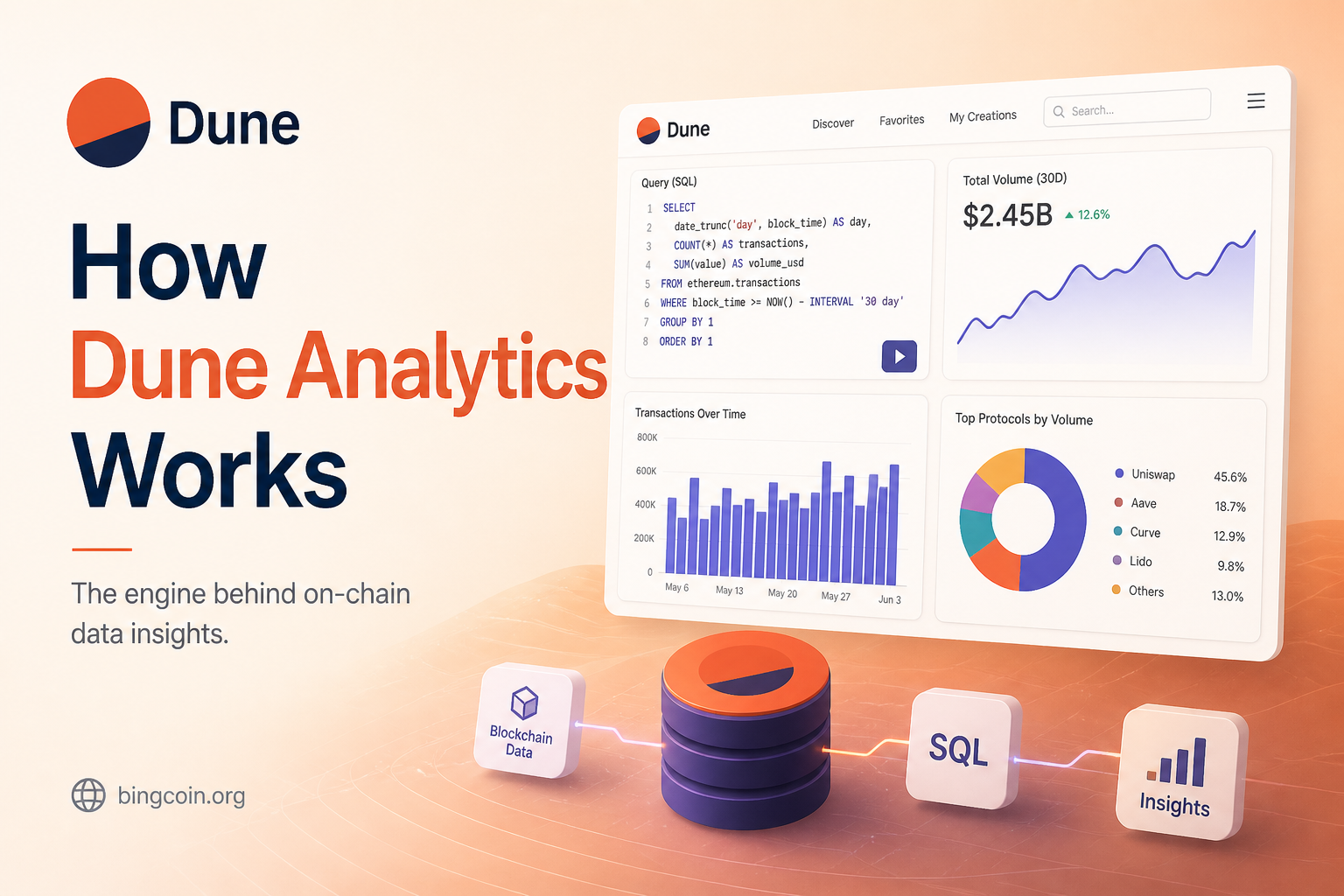
To appreciate Dune Analytics, one must understand its underlying mechanics and how it interfaces with blockchain networks. Dune Analytics acts as an intermediary layer that converts complex blockchain data into visually engaging and interactive dashboards.
When a transaction occurs on a blockchain, it is recorded on a decentralized ledger. Dune Analytics retrieves this data and applies an SQL-based querying system that allows users to create custom queries. These queries help users aggregate and visualize data according to their specific needs.
This system is not only powerful but user-friendly, making it accessible to both novice users and seasoned analysts. The use of SQL, a language many professionals are already familiar with, reduces the learning curve significantly, allowing more individuals to harness blockchain data.
Key Features of Dune Analytics
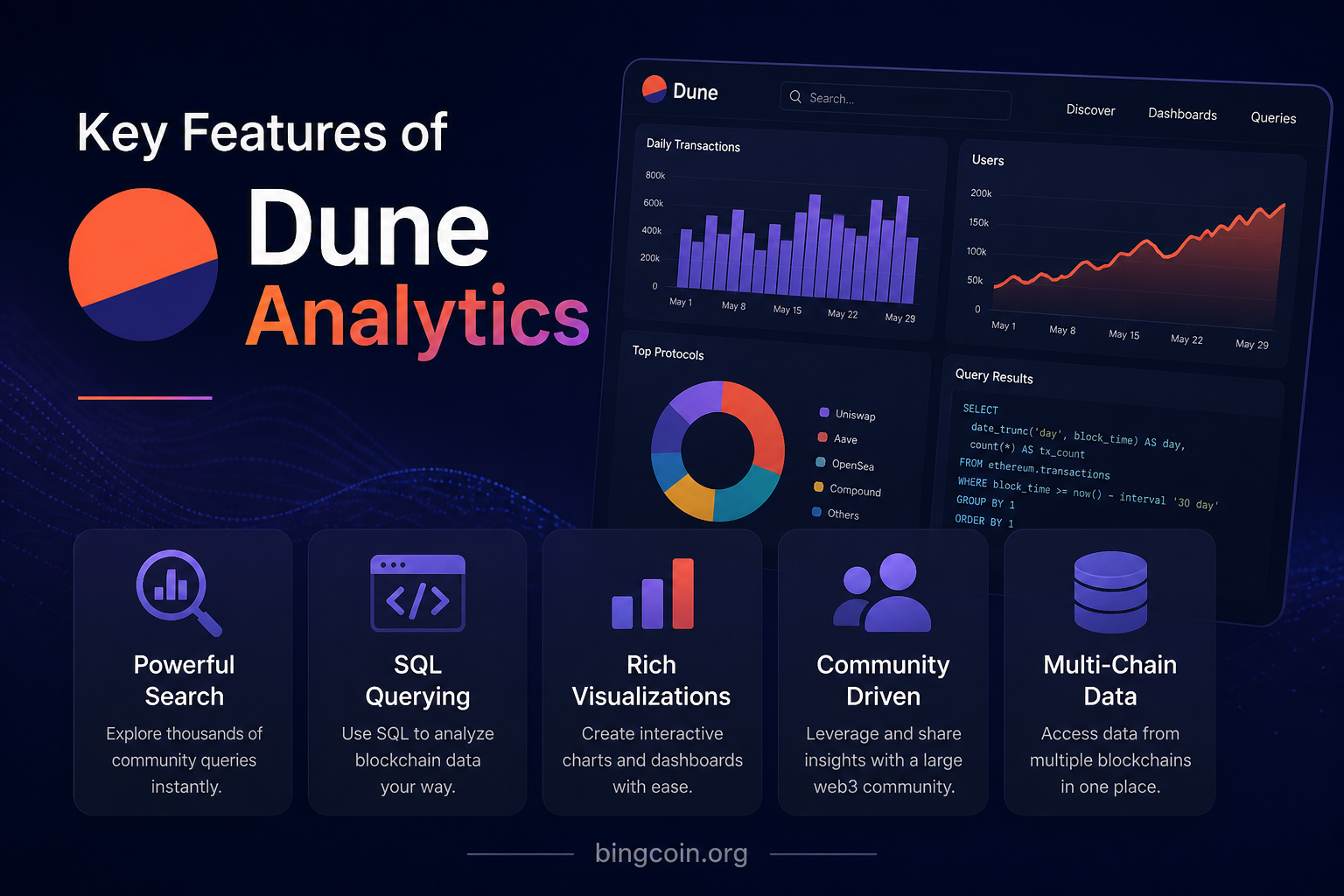
Dune Analytics offers a suite of features designed to provide deep insights into blockchain activities. These can be broken down into several key components:
- Custom Dashboards: Users can create dashboards to track metrics such as transaction volume, active addresses, or specific smart contract interactions.
- Public and Private Queries: While Dune allows for publically accessible data through shared dashboards, it also supports private queries for proprietary research.
- Data Sharing and Collaboration: Users can share their findings or collaborate on data projects within the Dune community, fostering a collaborative environment for data analysis in Web3.
- Historical and Real-time Data: Dune Analytics provides both historical and real-time data tracking, enabling users to compare current activities with past trends.
Navigating the Dune Analytics Platform
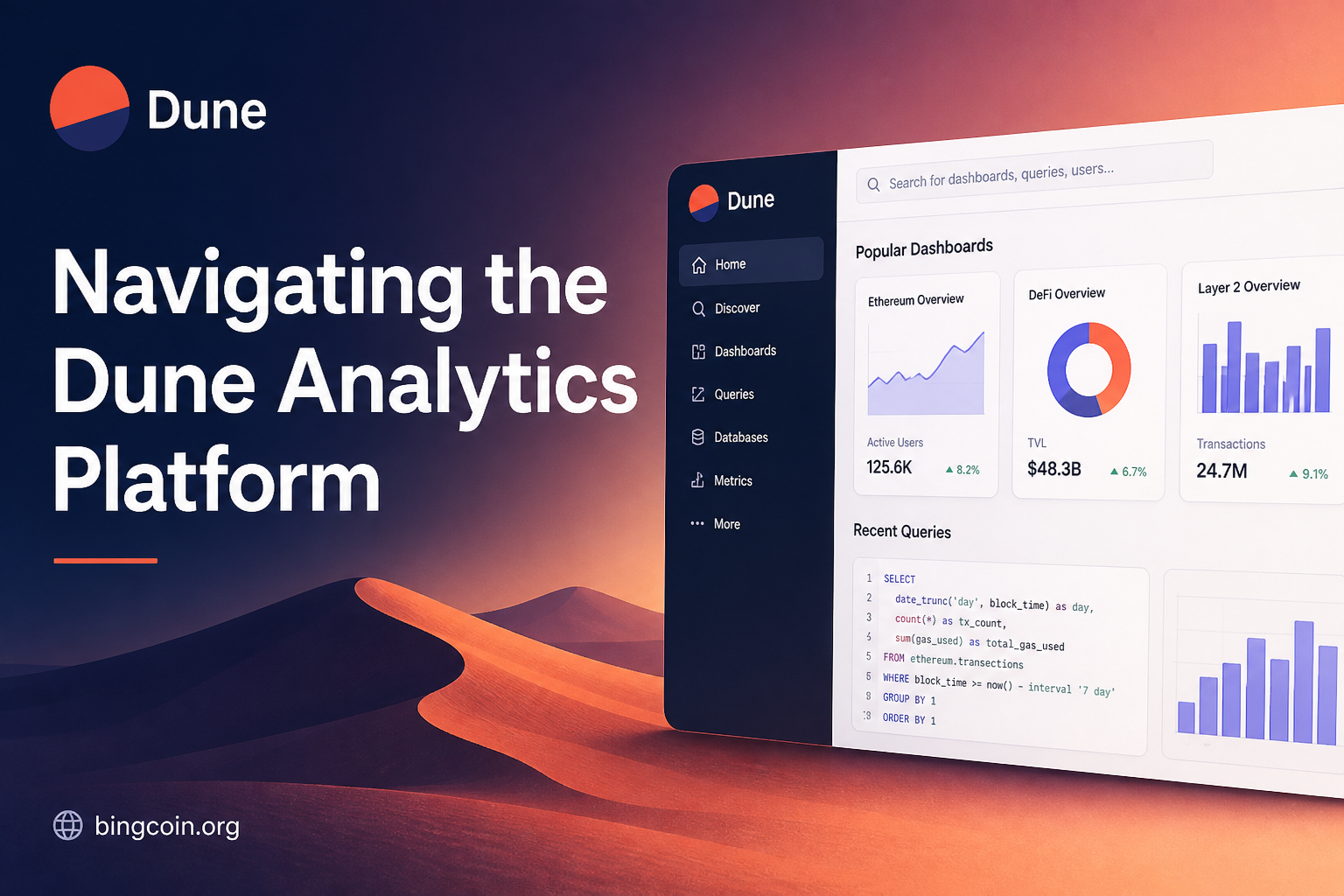
Navigating Dune Analytics may seem daunting at first, but understanding its layout will help you unlock its full potential. The platform is designed with both accessibility and depth in mind, catering to various levels of expertise.
Dashboard Interface
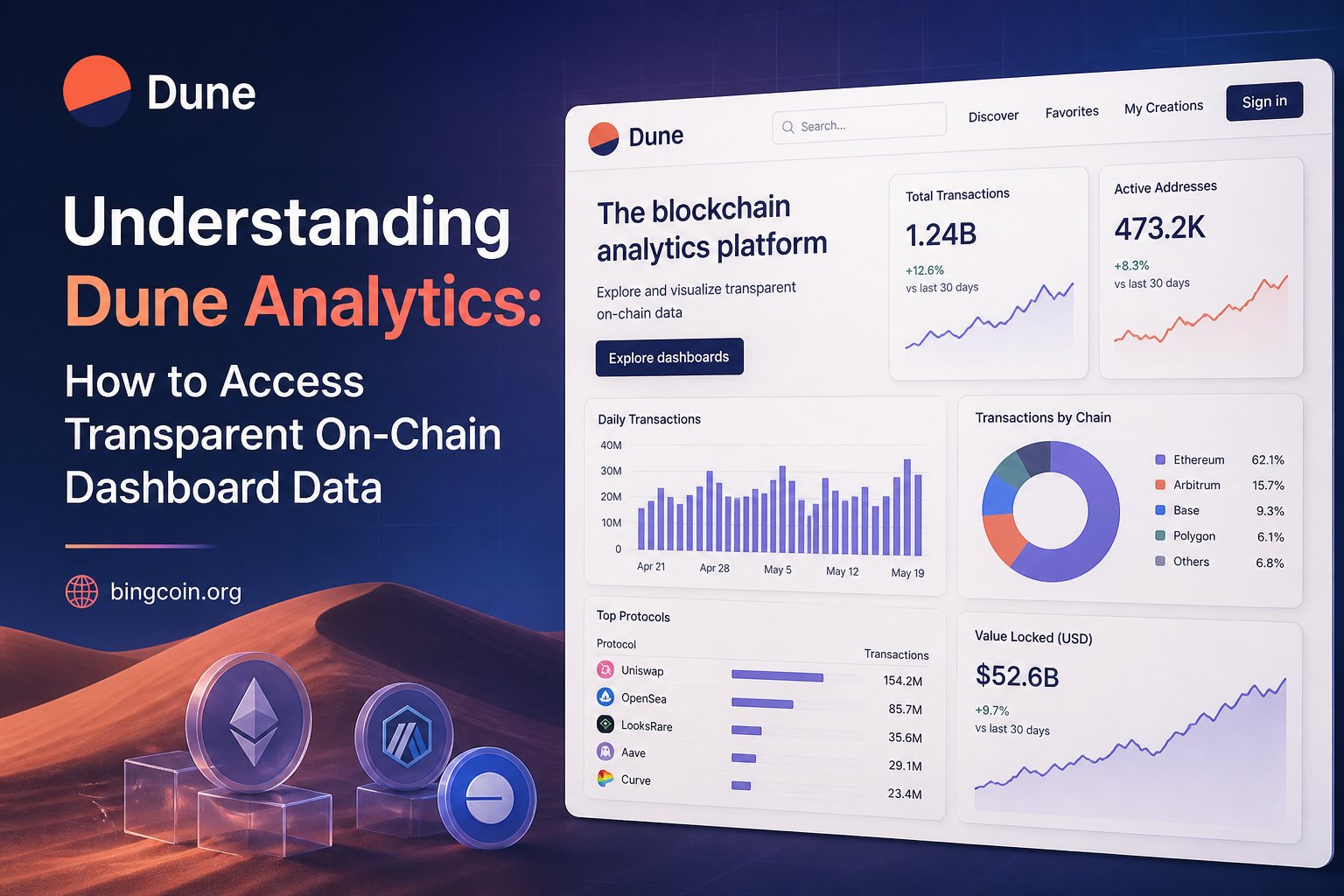
The dashboard is the heart of Dune Analytics. After logging in, users are greeted with options to either explore existing public dashboards or create their own. The dashboard interface presents data in a visual format, using charts and graphs to make complex data understandable at a glance.
Creating Custom Queries
To tailor the data to your needs, Dune’s SQL editor allows you to write queries against the blockchain data. This feature is particularly appealing to users with some SQL knowledge, as it enables detailed customization and exploration of the data.
Exploration and Collaboration
Beyond isolated dashboard use, Dune Analytics encourages communal data exploration. Users can fork existing queries and dashboards, customize them, and contribute their insights back to the community.
Real-World Applications and Use Cases
Dune Analytics plays an integral role in several blockchain sectors, providing significant utility across different use cases:
- DeFi Analytics: Investors and analysts use Dune to monitor protocol performance, liquidity flows, and user engagement. It helps in evaluating the health and growth potential of DeFi projects.
- NFT Market Tracking: With NFTs being a dynamic market, Dune Analytics assists users in tracking the flow and ownership of NFTs across various marketplaces, aiding in valuation and trend analysis.
- Token Governance: Communities involved in token governance can track voting activities and proposals through Dune, leading to more informed decision-making processes.
These applications showcase how Dune Analytics serves as a pivotal resource in data-driven decision-making within the crypto ecosystem.
Challenges and Considerations

Despite its numerous advantages, Dune Analytics faces certain challenges. Users must weigh these considerations when utilizing the platform:
- Data Accuracy: The integrity of the insights derived from Dune Analytics inherently depends on the accuracy of the on-chain data. Errors in data entry or processing can lead to inaccurate conclusions.
- Learning Curve: While Dune allows for powerful data manipulation, mastering its full potential might require a steep learning curve, particularly for users unfamiliar with SQL.
- Scalability and Load: As more users conduct complex queries, the load on Dune’s resources might lead to delays in data processing or retrieval, affecting real-time analysis capabilities.
Future Directions for On-Chain Analytics
As the demand for blockchain data continues to grow, platforms like Dune Analytics are likely to evolve in new and interesting ways. Future developments may focus on enhancing scalability and user experience, potentially incorporating machine learning algorithms to automate trend detection and anomaly reporting.
An increase in partnerships with blockchain protocols could also enrich the data sets available on Dune, providing even deeper insights for its users. Additionally, with the rise of multichain ecosystems, Dune Analytics may expand its capabilities to integrate data from a wider array of blockchain environments.
The future of on-chain analytics points towards more intuitive and comprehensive solutions, supporting a wider range of data-intensive applications across decentralized ecosystems.
Understanding Dune Analytics is crucial for anyone involved in the blockchain space, as it offers unparalleled access to on-chain data through user-friendly interfaces and collaborative features. While challenges exist, particularly concerning data accuracy and learning curves, the benefits of making data-driven decisions are immense.
As blockchain technology and its various applications continue to grow, mastering tools like Dune Analytics will be an essential skill for analysts, investors, and developers alike. By leveraging its capabilities, users can stay ahead of trends, optimize their strategies, and contribute meaningfully to the growing Web3 ecosystem.
References & Further Reading
- Dune Analytics Official Website — The official starting point for accessing Dune Analytics tools and documentation.
- Ethereum Developers: Making Dashboards with Dune Analytics — A tutorial on leveraging Dune Analytics for Ethereum data.
- Dune Analytics Medium — Articles and insights from the Dune Analytics team.
- Cointelegraph — Industry news and updates related to blockchain data analytics.
- DeFi Pulse — Comprehensive analytics platform for DeFi markets, often using Dune Analytics data.