By Mr. Huynh – Published:2026-09-13T02:32:44.654Z
[Disclaimer: All content on bingcoin.org is strictly for educational and informational purposes only and should not be construed as financial, legal, or investment advice. Cryptocurrency trading involves high risk. Always Do Your Own Research (DYOR).]
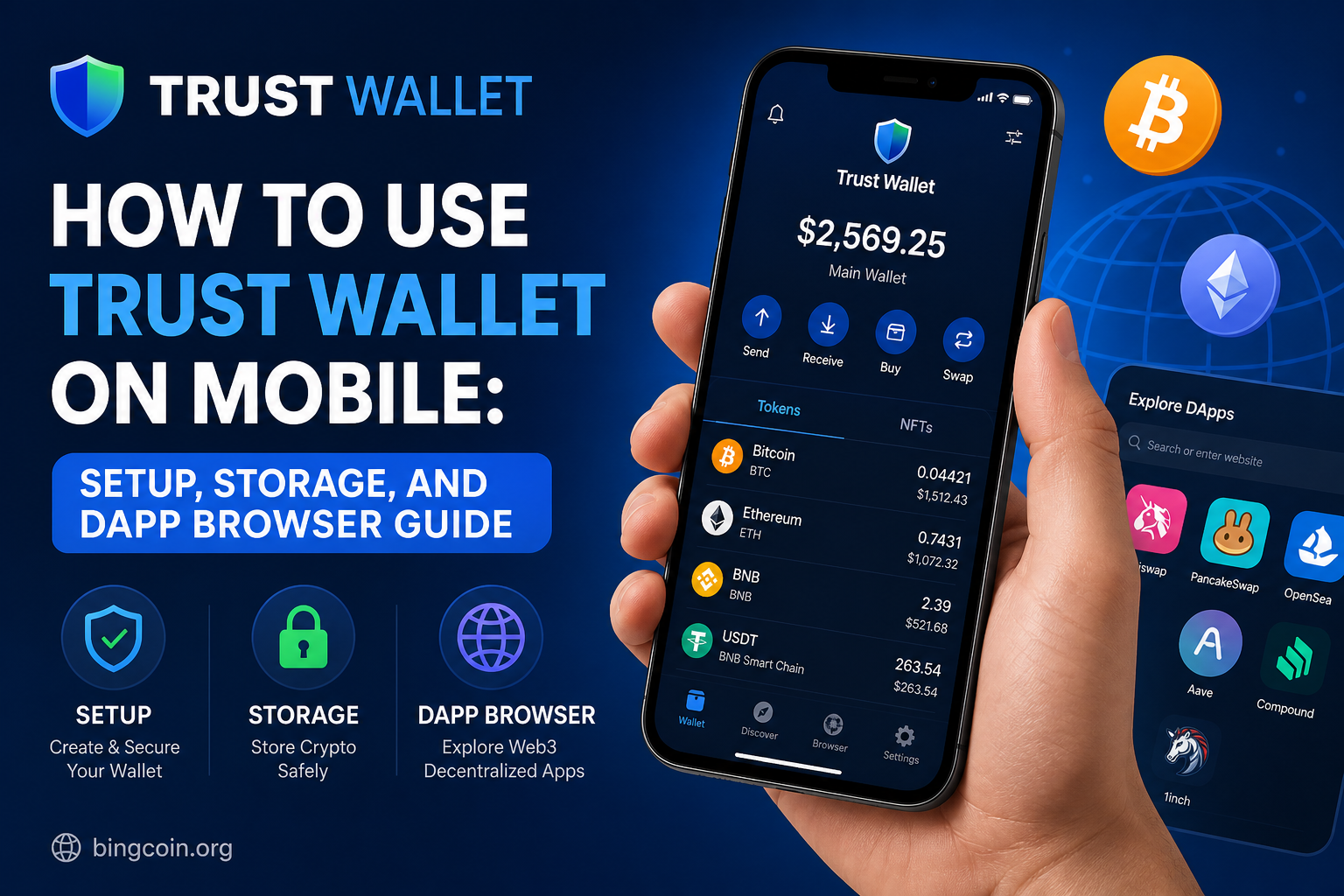
Getting Started with Trust Wallet: Installation and Setup
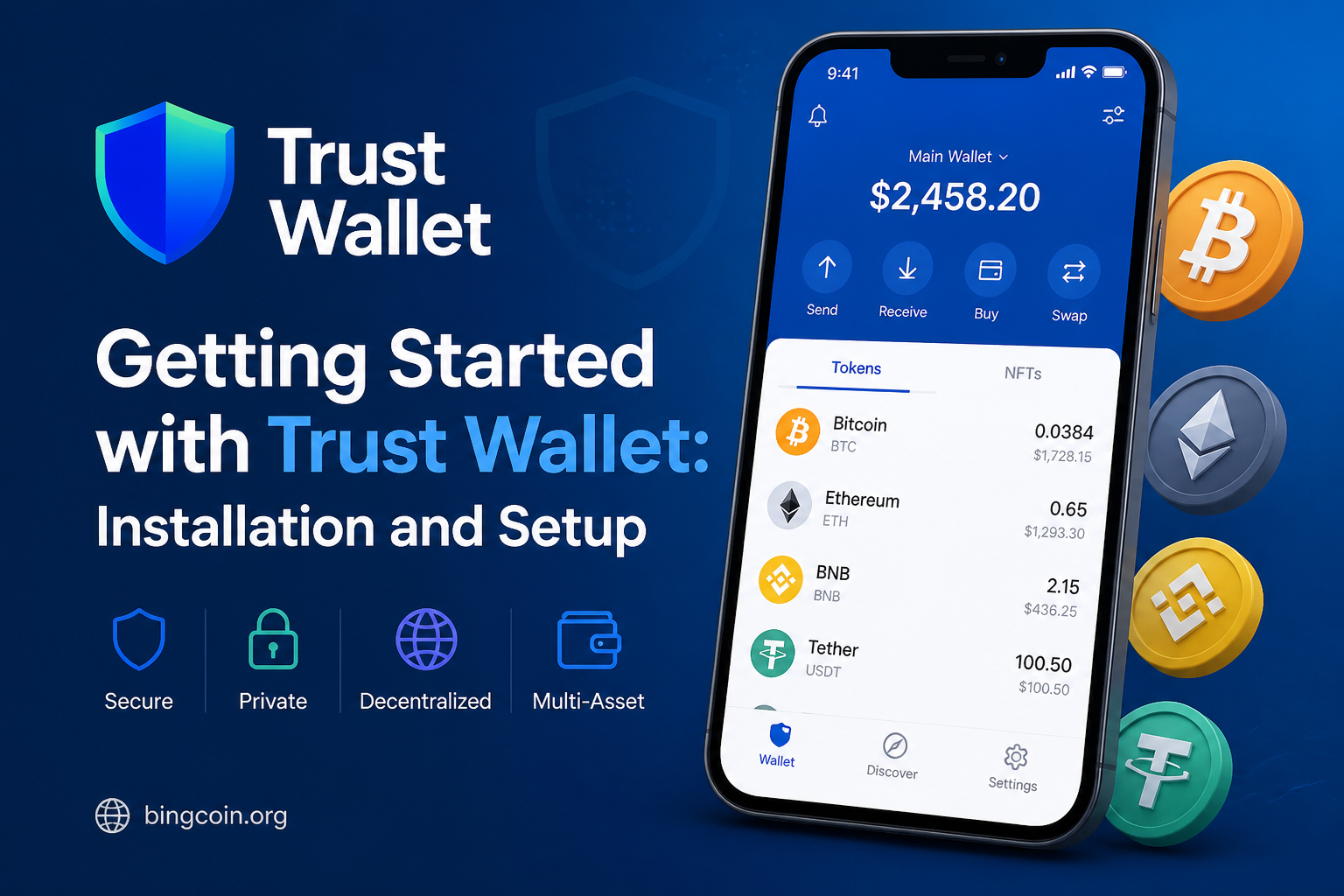
Trust Wallet, available on both iOS and Android platforms, simplifies the onboarding process for new users. To begin, search for ‘Trust Wallet’ in your device’s app store and download the official app verified by Binance. Once installed, open the application and create a new wallet by following the onscreen prompts. Users will be required to set up a backup phrase consisting of 12 words, which serves as a recovery tool in case access to the app is lost. It’s imperative to secure this backup phrase offline and in a location inaccessible to unauthorized individuals.
Additionally, Trust Wallet allows users to import existing wallets. During this process, the app will request the private key or backup phrase, enabling it to integrate previously owned digital assets into the app without having to initialize a new account.
[IMAGE SUGGESTION: Screenshot of Trust Wallet installation page on a mobile device showcasing the app’s user rating and install button.]
Understanding Wallet Functionality and Storage Options
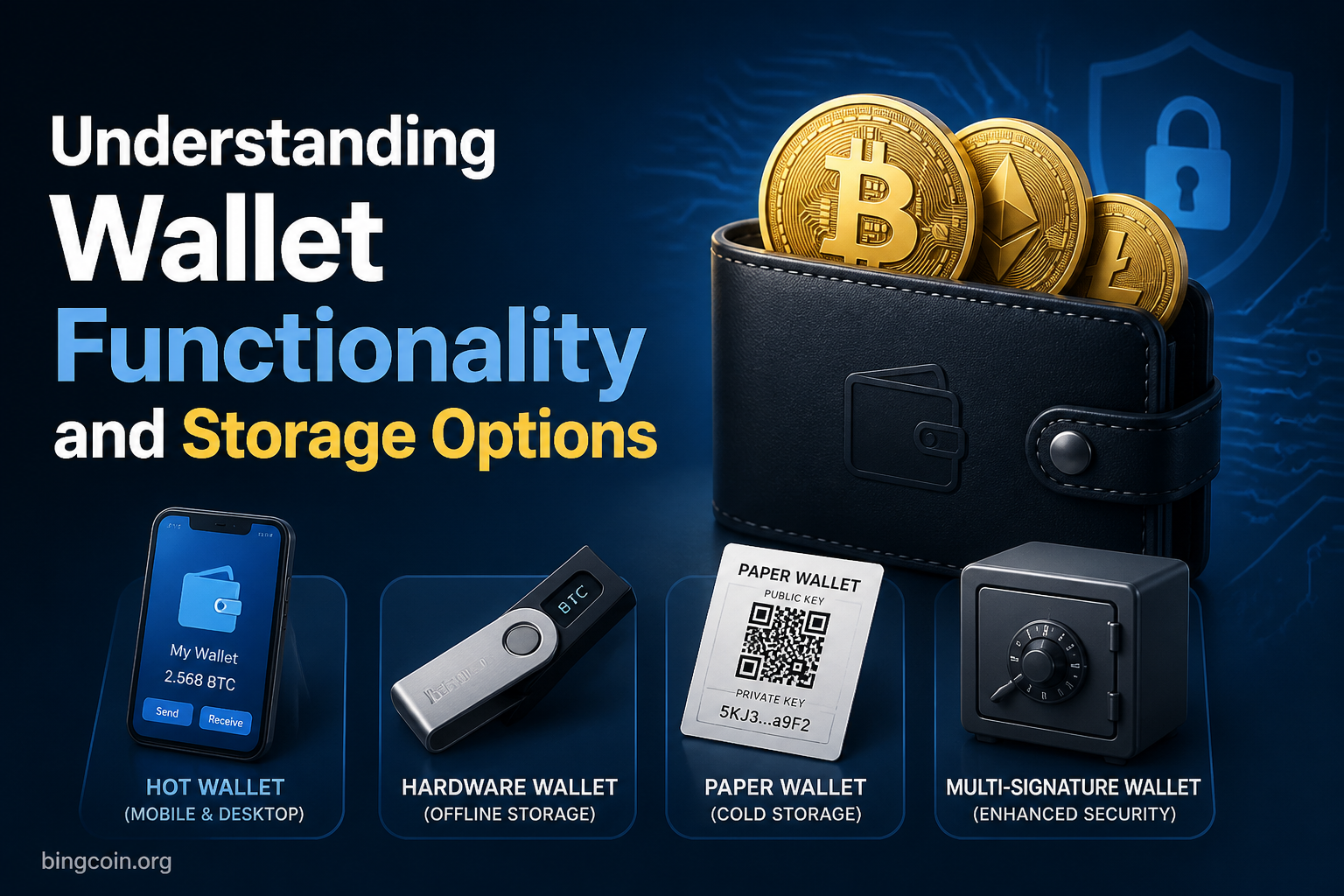
Trust Wallet is broadly recognized for its multi-currency storage capability, supporting thousands of cryptocurrencies including Bitcoin, Ethereum, and various ERC-20 tokens. Its non-custodial design ensures that users maintain control of their private keys, emphasizing security over centralized control.
Cold vs. Hot Storage
Trust Wallet uses hot storage, meaning that while assets are accessible via an internet connection, users are responsible for managing their own security measures. This necessitates the use of strong, unique passwords and enabling biometric security features available on most devices.
For those seeking additional layers of security, pairing Trust Wallet with hardware wallets serves as an effective solution, adding a cold storage option to secure cryptocurrencies offline.
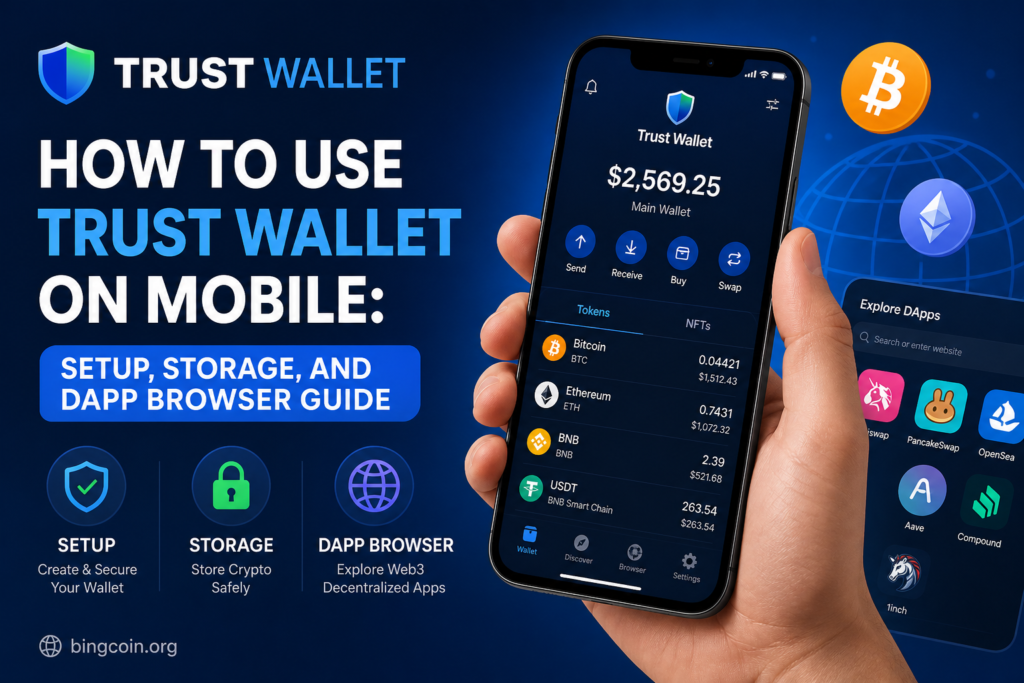
Navigating the DApp Browser: Accessing Decentralized Applications
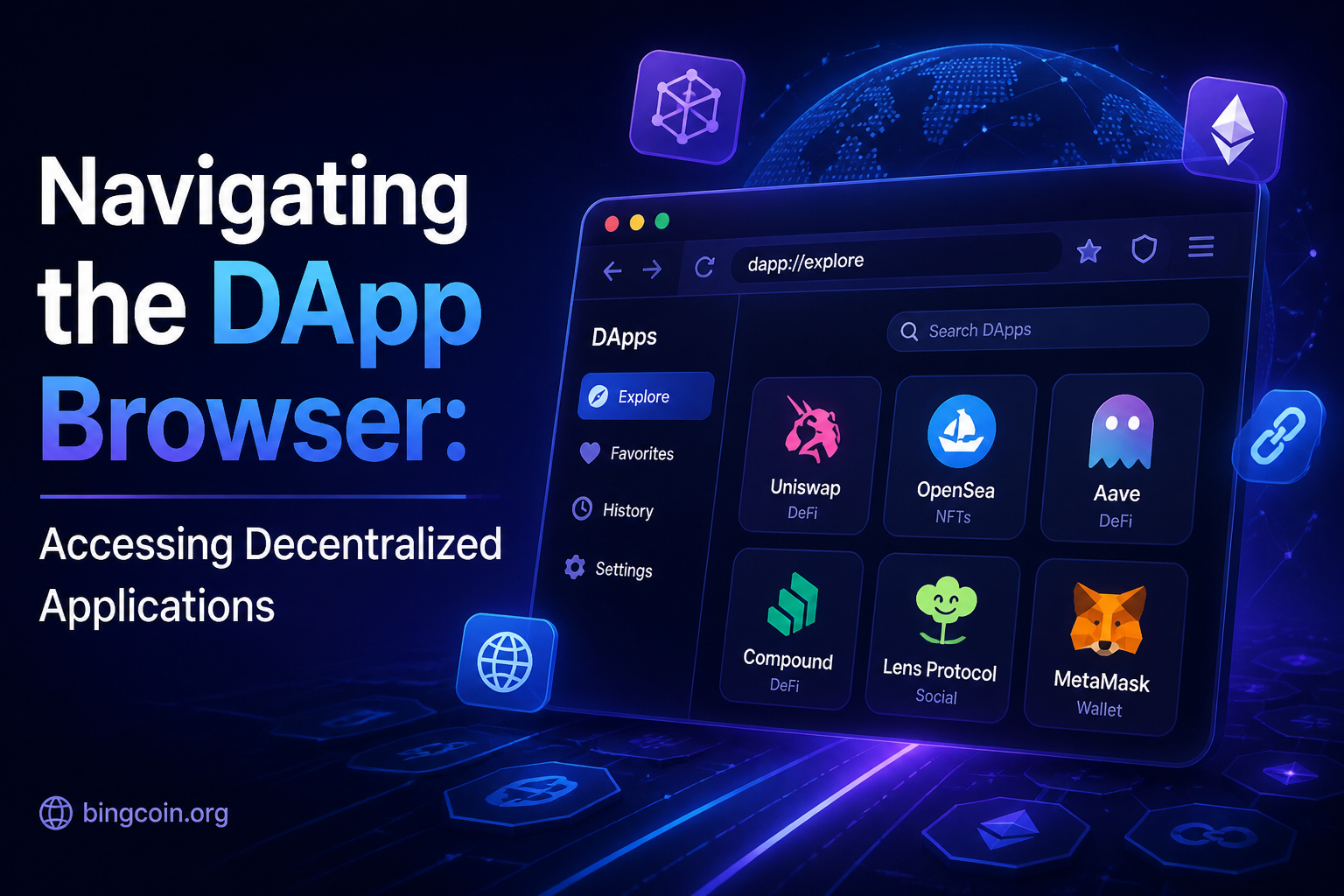
The integration of a DApp browser within Trust Wallet sets it apart, making it a vital tool for users looking to explore decentralized finance (DeFi) platforms and blockchain-based games without leaving the app. By enabling the DApp browser feature in settings, users can seamlessly search for and connect to compatible DApps. The browser functions similarly to conventional web browsers, but is optimized for blockchain transactions and smart contract interactions.
To access specific platforms, simply input the DApp’s URL or browse through the curated list of popular applications directly within the wallet. This feature notably enhances the usability of the wallet by allowing direct interaction with decentralized protocols.
[IMAGE SUGGESTION: Flowchart illustrating the process of accessing DApps through Trust Wallet, including enabling the browser and finding a DApp.]
Ensuring Security Within Trust Wallet
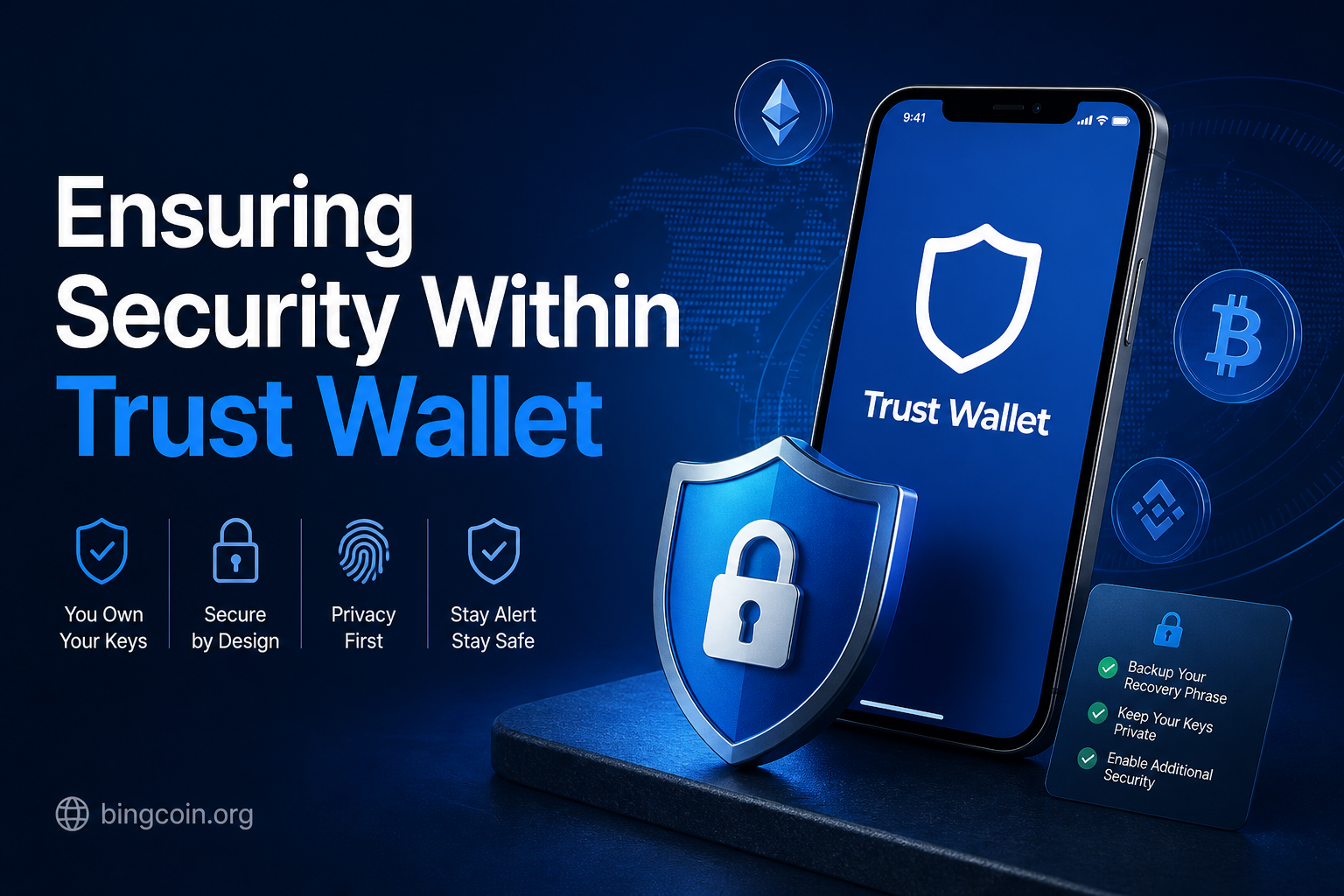
Securing digital assets within Trust Wallet involves several user-controlled safeguards. Users are urged to enable biometric authentication or PIN codes to add an additional layer of security. Furthermore, regular updates of the app are crucial, as they often include important security patches and enhancements.
Managing Backup Phrases and Private Keys
Emphasizing the importance of secure storage for backup phrases and private keys cannot be overstated. Given that Trust Wallet delegates the responsibility of asset control to the user, losing these critical pieces of information could mean irreversible loss of funds. Recommendations include using encrypted storage solutions or manual recording offline.
- Biometric Authentication: Use fingerprints or facial recognition to secure wallet access.
- PIN Codes: Set a strong, unique PIN for an added tier of defense.
Overcoming Common Issues and Troubleshooting
Despite its robust functionality, users occasionally encounter issues when using Trust Wallet, such as connection errors with DApps, token visibility issues, or transaction failures.
Token Not Showing?
If a token isn’t visible within the wallet interface, users can manually add it by inputting the token contract address. Select ‘Add Custom Token’ in the wallet menu and input the relevant details.
Transaction Errors
Failed transactions often relate to network congestion or incorrect gas prices. Adjusting the gas settings in the app can sometimes resolve these issues. Additionally, ensuring the wallet is fully updated can mitigate many transactional hiccups.
- Network Congestion: Try modifying the transaction speed settings to accommodate fluctuating network demands.
- Application Updates: Always ensure the latest Trust Wallet version is installed to access improved stability and features.
As mobile cryptocurrency wallets continue to evolve, Trust Wallet stands out for its user-friendly interface, extensive functionality, and emphasis on user security. While it offers a powerful platform for managing digital assets and interacting with the burgeoning world of DApps, users must take personal responsibility for securing their recovery phrases and private keys. As the ecosystem advances, staying informed about updates and understanding how to protect one’s assets remain paramount. By doing so, Trust Wallet users can fully unlock the potential of this tool while navigating the dynamic landscape of decentralized finance and digital assets.
References & Further Reading
- Trust Wallet Official Site — Overview and resources straight from the source.
- Binance Blog on Trust Wallet — Insights into Trust Wallet’s integration with Binance.
- Trust Wallet User Guide — Comprehensive guide to using Trust Wallet effectively.
- Crypto Briefing: How to Use Trust Wallet — In-depth guide on navigating Trust Wallet features.
- CoinSutra Trust Wallet Guide — Another perspective on maximizing the use of Trust Wallet.