By Mr. Huynh – Published:2026-09-30T09:16:56.216Z
[Disclaimer: All content on bingcoin.org is strictly for educational and informational purposes only and should not be construed as financial, legal, or investment advice. Cryptocurrency trading involves high risk. Always Do Your Own Research (DYOR).]
Understanding Cryptocurrency Price Charts

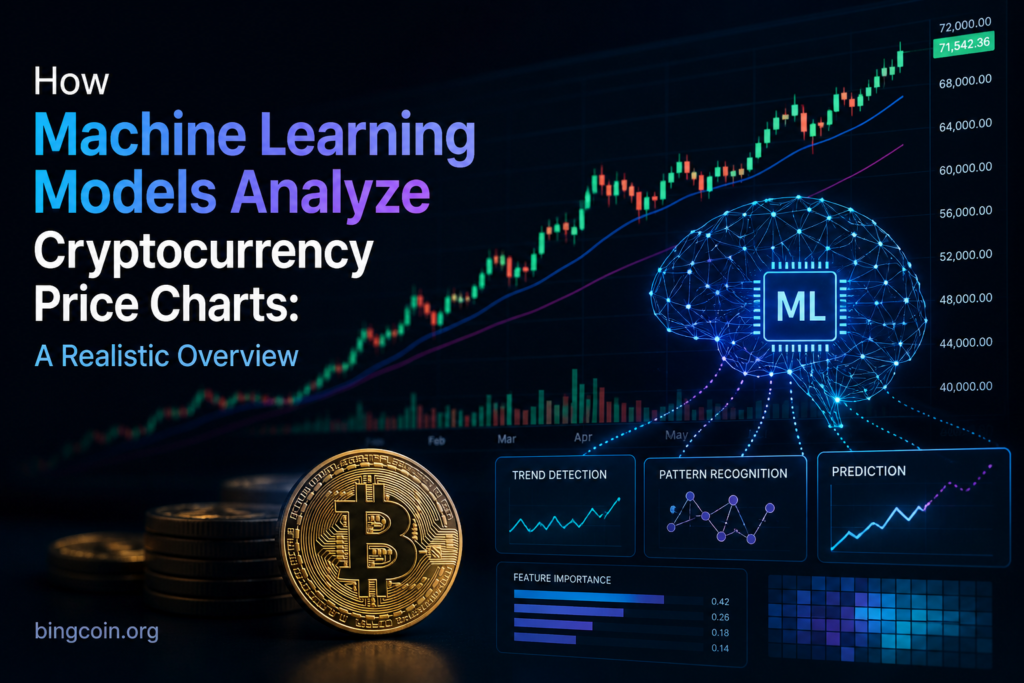
Cryptocurrency price charts serve as essential tools for traders and investors, providing a visual representation of price movements over time. These charts typically display price as candlesticks, lines, or bars, each with its advantages for different analysis needs. Candlestick charts, for instance, are popular for their detailed view of price action, encompassing opening, closing, high, and low prices.
When machine learning enters the scene, these models don’t merely look at the visible trends. Instead, they delve deeper, extracting insights from large data sets that include market capitalization, historical price data, volume traded, and more. Unlike traditional analysis that may focus on a single aspect, machine learning models can handle these multi-dimensional data points, leading to a more nuanced understanding of price movements.
[IMAGE SUGGESTION: A candlestick chart with annotations showing various technical indicators used in machine learning models]
Core Machine Learning Techniques in Crypto Analysis
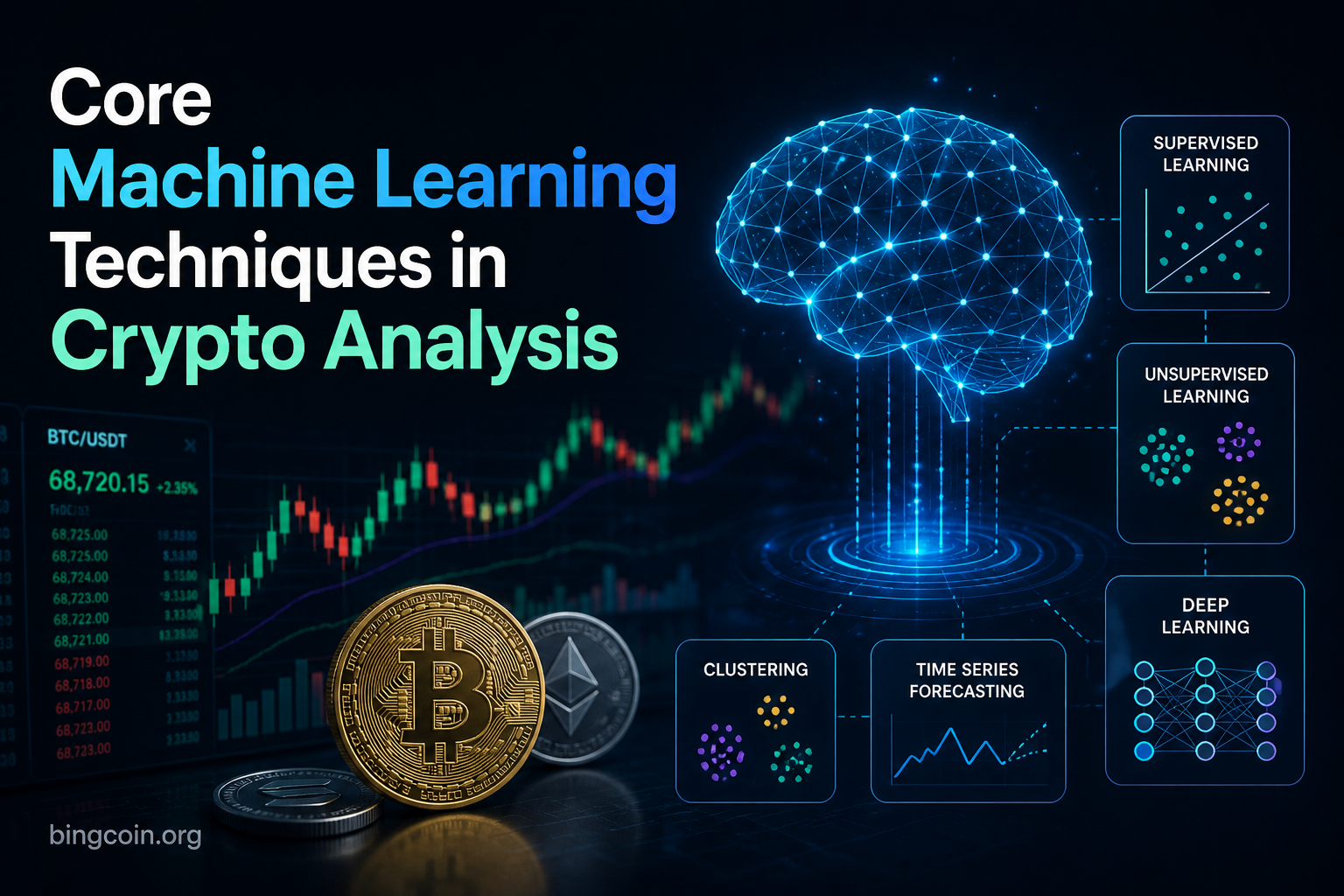
Machine learning applications in cryptocurrency analysis typically leverage techniques such as supervised learning, unsupervised learning, and reinforcement learning. Each approach has distinct methods and applications:
Supervised Learning
Supervised learning models are trained on historical data to predict future values. This approach involves feeding the model labeled input-output pairs—where the outcome is known—enabling the algorithm to learn the associations between various features and price changes. A common use of supervised learning is in classification problems, such as predicting whether the market will move up or down in the near future.
Unsupervised Learning
Contrary to supervised learning, unsupervised learning works with unlabeled data to identify hidden patterns or intrinsic structures. Techniques like clustering can segment market data into different groups, which can spotlight anomalies or common trends that might inform trading strategies.
Reinforcement Learning
Reinforcement learning mimics the process of an agent learning by interacting with an environment. In crypto trading, this technique can adapt to new data as it comes in, making it suitable for high-frequency trading environments. Algorithms learn strategies through trial and error, rewarding successful actions that lead to profitable trades.
Key Data Inputs and Indicators for Machine Learning Models
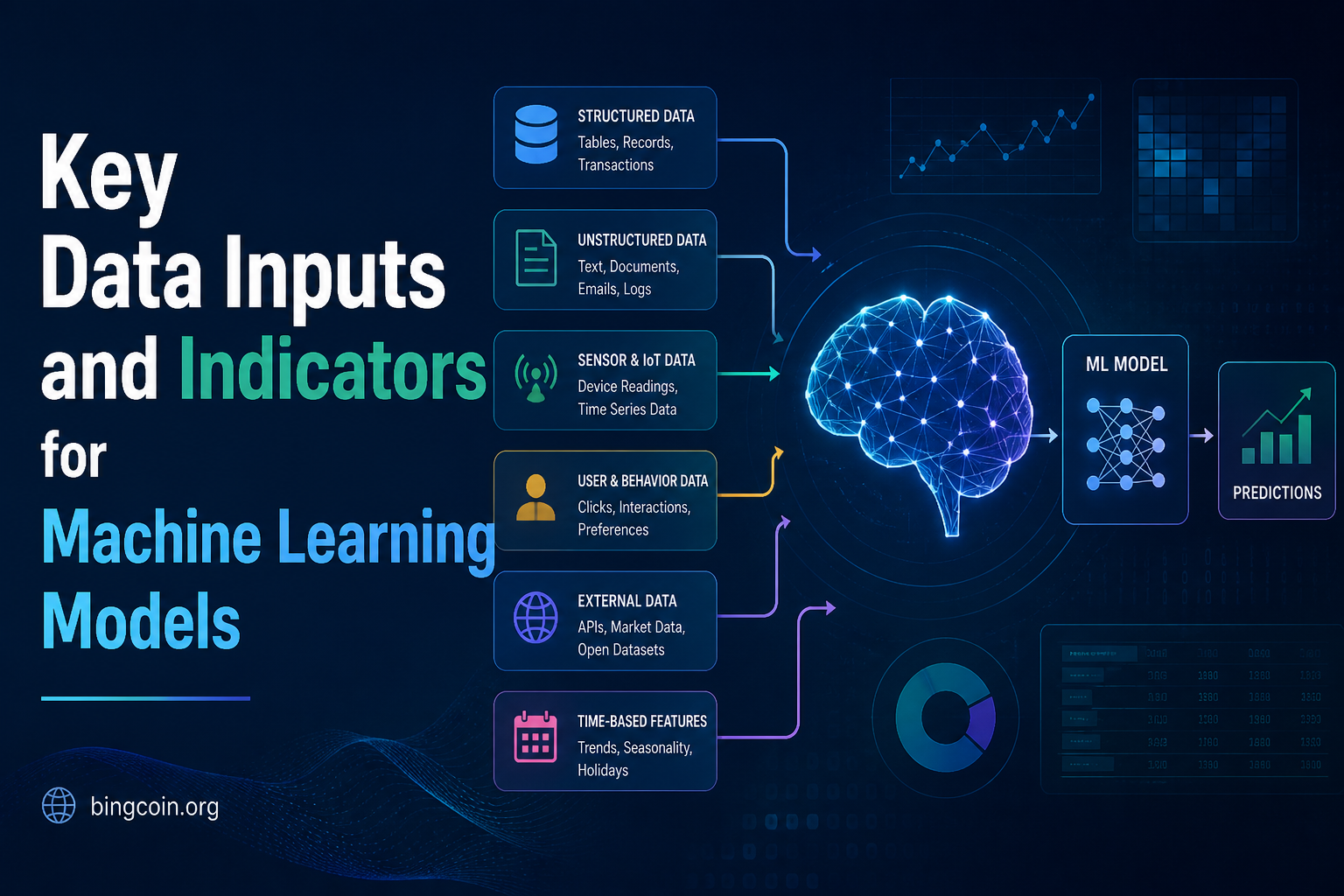
The success of machine learning algorithms in analyzing crypto price charts significantly depends on the data inputs they receive. Key indicators include:
- Price Data: Historical price data serves as the foundational input, tracking past performance.
- Volume Traded: Reflects the activity level in the market, offering insights into liquidity and trader sentiment.
- Market Capitalization: Provides context regarding the relative size and competitiveness of the cryptocurrency.
- Technical Indicators: Metrics like moving averages, relative strength index (RSI), and Bollinger Bands are frequently utilized to provide further context and refine predictions.
Machine learning models benefit from combining these traditional technical indicators with advanced features, such as sentiment analysis of news articles or social media mentions, offering a comprehensive outlook on potential market movements.
[IMAGE SUGGESTION: A diagram of a data pipeline showing data collection, feature extraction, and model training in machine learning]
Challenges in Developing Machine Learning Models for Crypto
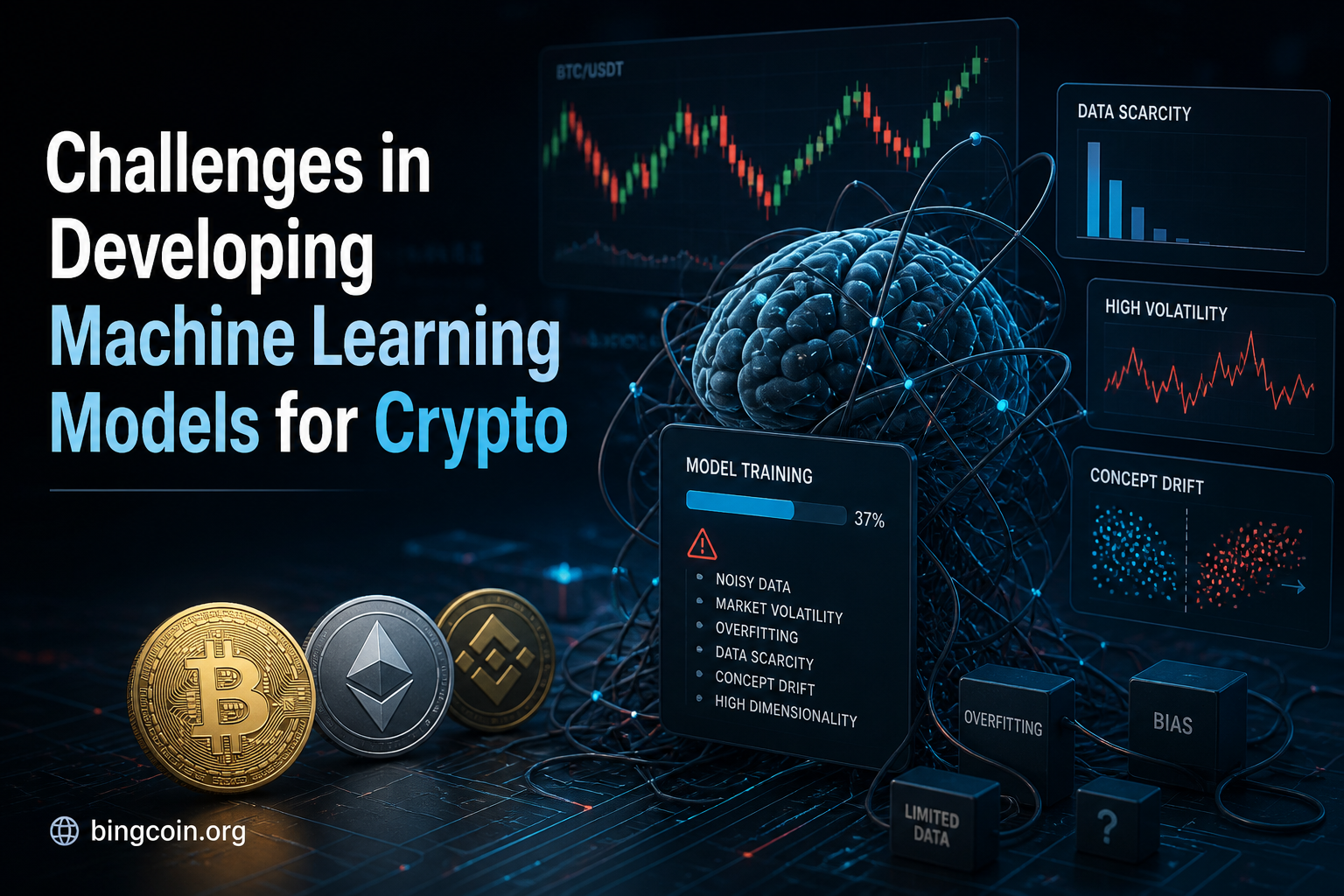
While machine learning models have shown promise in crypto trading, they face numerous challenges, such as:
- Data Quality and Noise: Cryptocurrency markets are known for their noise—rapid movements and false signals—which makes it difficult to separate meaningful patterns from randomness.
- Overfitting: Models that learn from historical data might become too complex, performing exceptionally well on historical data but failing in real-world trading.
- Stationarity: The assumption that statistical properties are constant over time is often violated in crypto markets, leading to inaccurate predictions.
Developers need to adopt robust data preprocessing techniques and model validation methods to ensure their algorithms remain relevant and effective despite market volatility and evolving conditions.
Real-World Applications and Success Stories

Machine learning models for cryptocurrency analysis have found numerous applications, from portfolio management to automated trading systems. Notably, hedge funds and proprietary trading firms increasingly rely on AI-driven solutions to gain a competitive edge.
For instance, San Francisco-based Numerai has made waves in the investment world by applying AI algorithms trained on anonymous financial data to its hedge fund operations. Their collaborative data science approach invites data scientists worldwide to develop models that improve portfolio performance.
By leveraging ensemble methods, which combine predictions from multiple models to enhance accuracy, traders can better navigate the complexities of crypto markets. These real-world applications showcase the potential of machine learning in providing more informed decision-making strategies within the cryptocurrency space.
Comparing Machine Learning with Traditional Technical Analysis
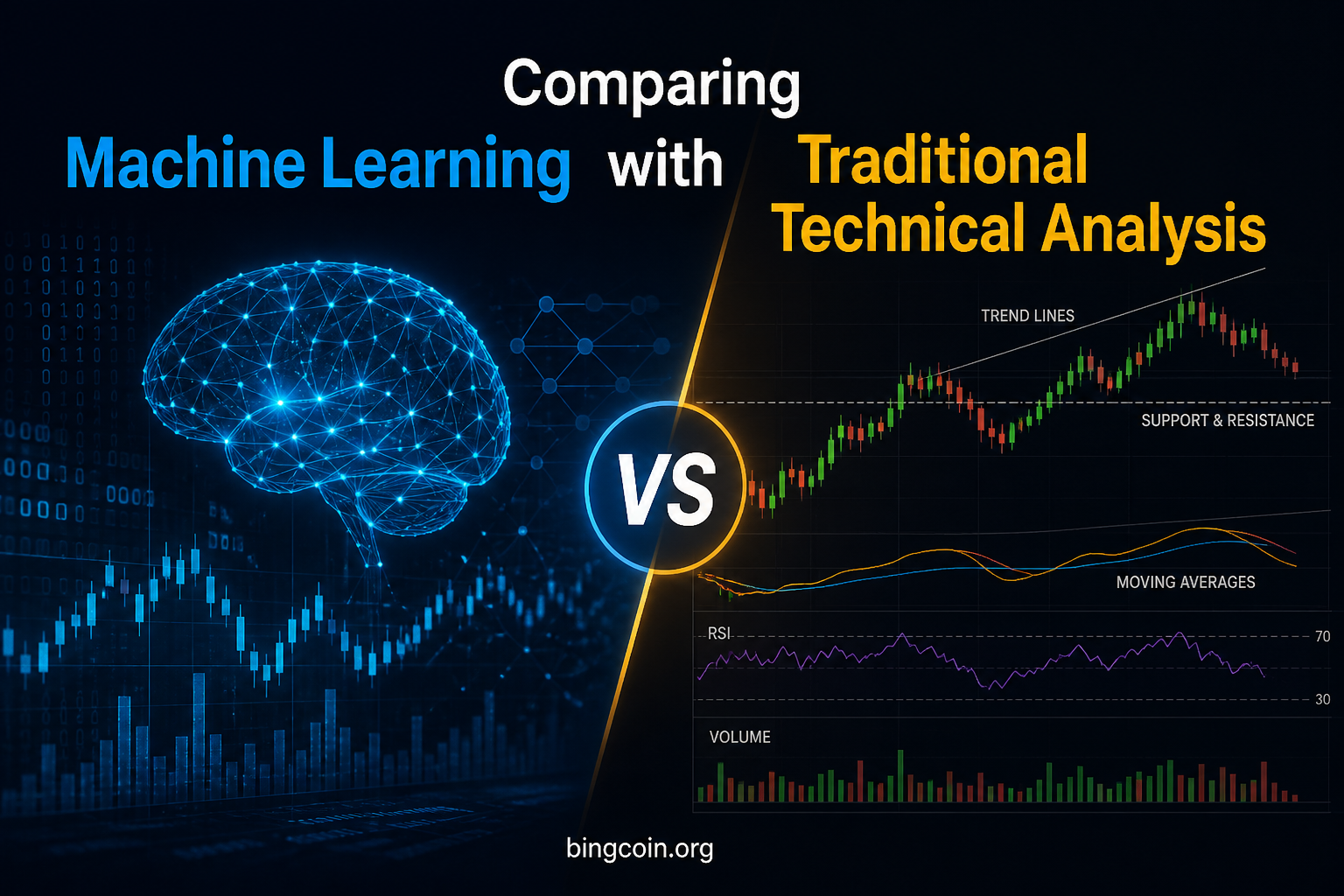
While both machine learning and traditional technical analysis aim to predict price movements and identify trading opportunities, there are critical differences in their methodologies and efficacy:
| Aspect | Machine Learning | Technical Analysis |
|---|---|---|
| Data Input | Uses historical and alternative data sources, such as blockchain data and news sentiment. | Relies on historical price and volume data. |
| Flexibility | Can adapt to changing market conditions, learning from new data. | Primarily rule-based and may not dynamically adjust to market changes. |
| Complexity | Involves intricate algorithmic models that require technical expertise to develop. | Relies on simpler, well-established patterns and indicators. |
| Predictive Power | Capable of discovering non-linear patterns through data-driven approaches. | Limited to linear and deterministic relationships. |
The integration of machine learning represents a paradigm shift from deterministic approaches to probabilistic predictions, potentially offering enhanced predictive power and adaptability in the fast-paced crypto markets.
The Future of Machine Learning in Cryptocurrency Analysis

The role of machine learning in cryptocurrency markets is poised to grow as technology evolves and data availability increases. Ongoing advancements in deep learning algorithms, coupled with better data collection and storage methods, are likely to refine and enhance the predictive accuracy of these models.
Decentralized finance (DeFi) platforms can especially benefit from machine learning models to optimize risk management, liquidity provision, and automated market-making processes. Additionally, the potential for blockchain-based data to offer transparent and reliable information could further improve model reliability and performance.
However, the future of machine learning in crypto also depends on regulatory landscapes and ethical considerations surrounding AI use. As these models potentially alter financial markets, they may come under scrutiny, necessitating greater transparency and accountability.
Practitioners and researchers should maintain awareness of these developments and adopt a cautious approach by focusing on verifiable and explainable AI to support sustainability and trust within the trading ecosystem.
What Readers Should Watch Next
As machine learning continues to evolve, its integration into the cryptocurrency market offers exciting possibilities for traders and investors alike. Future advancements will likely concentrate on improving model accuracy, scalability, and adaptability. Additionally, the convergence of machine learning with blockchain technology promises novel applications, such as predictive analytics for decentralized finance (DeFi) and enhanced fraud detection mechanisms. However, market participants must remain vigilant, balancing the lure of innovative algorithms with a thorough understanding of their limitations and ethical implications.
Continued research and collaborative efforts between data scientists, technologists, and financial experts will shape the role of machine learning in cryptocurrency trading. By staying informed about the latest trends and regulatory changes, stakeholders can harness these technologies to navigate the volatile crypto landscape with greater confidence.
References & Further Reading
- CoinGecko — Provides real-time data on cryptocurrency markets including historical price data and technical indicators.
- TradingView — Offers advanced charting tools and analytics for monitoring crypto price movements.
- Numerai — A hedge fund using machine learning algorithms supported by data scientists worldwide.
- DeepAI — Features resources on artificial intelligence and machine learning methodologies.
- arXiv — Repository of research articles on machine learning and deep learning applications across various fields.