
By Mr. Huynh – Published:2026-08-21T06:28:22.943Z
[Disclaimer: All content on bingcoin.org is strictly for educational and informational purposes only and should not be construed as financial, legal, or investment advice. Cryptocurrency trading involves high risk. Always Do Your Own Research (DYOR).]
Disclaimer: All content on bingcoin.org is for educational and informational purposes only and should not be construed as financial advice. Always Do Your Own Research (DYOR).
In the world of blockchain technology, smart contracts have emerged as a revolutionary concept, offering the potential to automate tasks traditionally managed by humans. These digital protocols execute actions based on pre-set conditions, effectively replacing intermediaries. Understanding smart contracts is crucial for anyone interested in the transformative potential of blockchain.
Understanding Smart Contracts
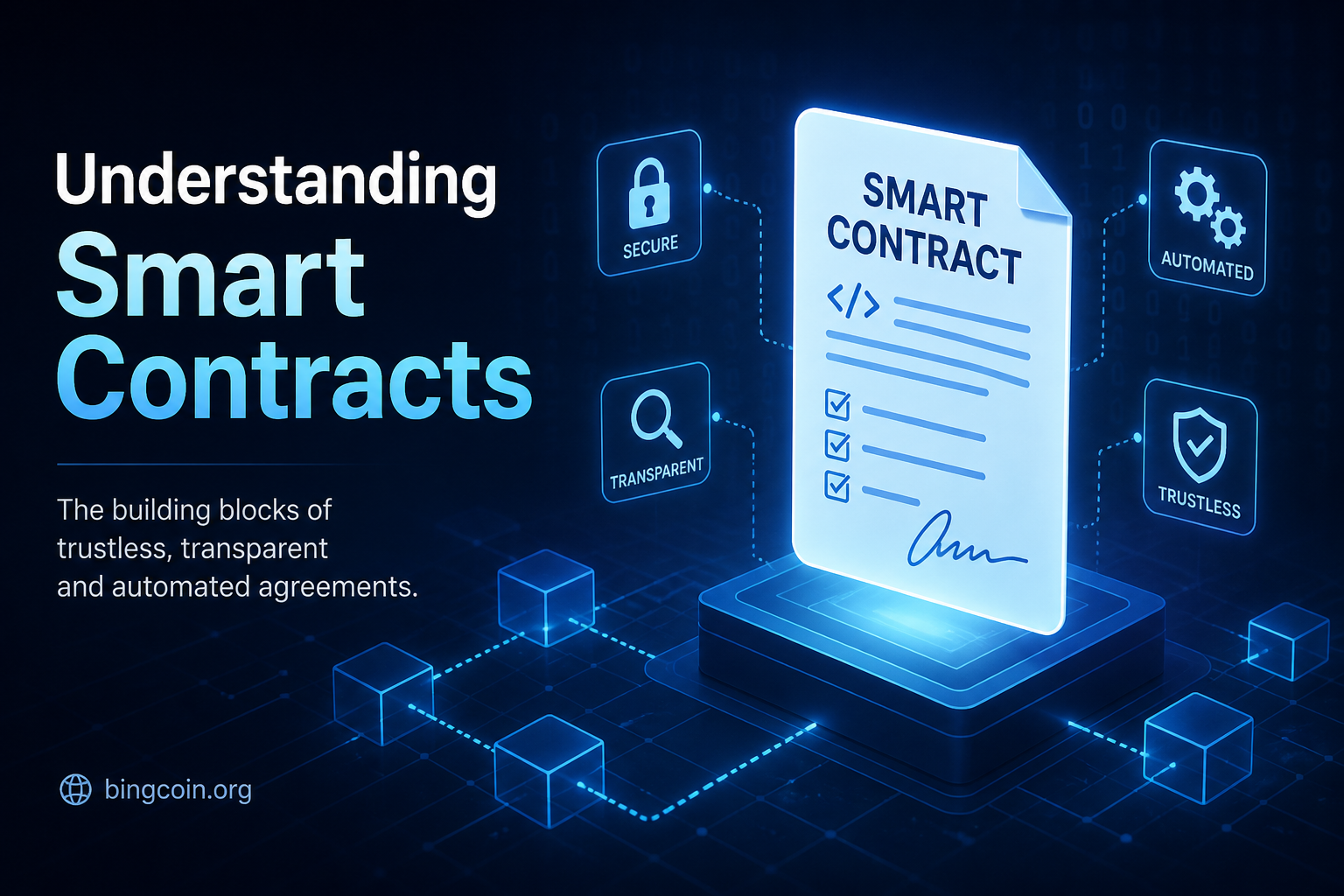
Smart contracts are self-executing contracts with the terms of the agreement directly written into lines of code. They automatically execute and enforce the contract terms when specified conditions are met. These contracts operate on blockchain technology, primarily Ethereum, enabling secure and transparent transactions without the need for a central authority or middleman.
How Smart Contracts Work
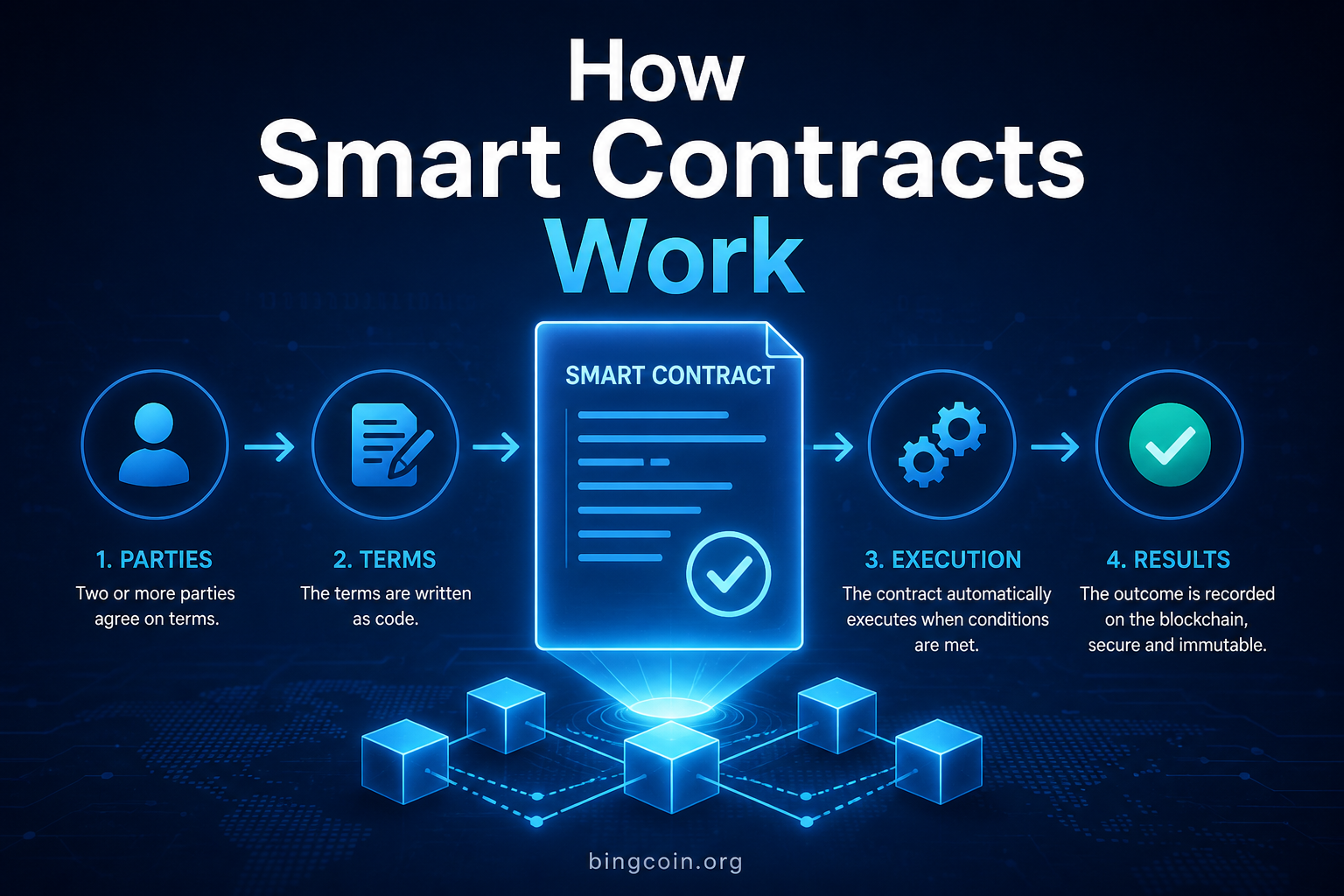
A smart contract functions through a simple if-then logic: if the specified conditions are met, then the contract’s actions are executed. Once deployed, the contract is immutable, meaning it can’t be altered or tampered with, ensuring all parties adhere to the agreed terms. For example, a smart contract can facilitate a payment transfer once a service is completed, void of manual intervention.
Benefits of Smart Contracts
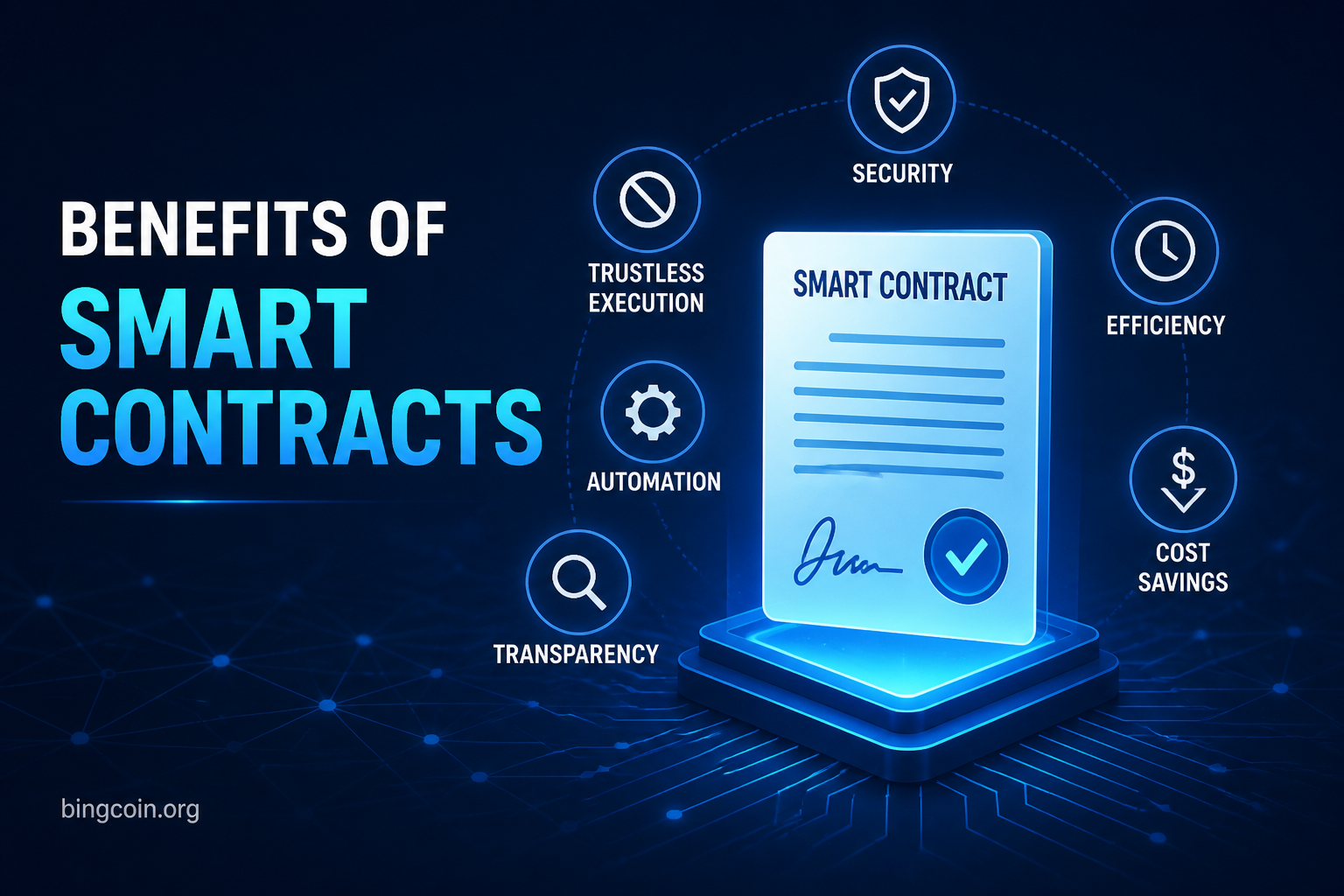
- Efficiency: By automating routine processes, smart contracts reduce the time and costs associated with manual operations.
- Security: Operating on a decentralized network, smart contracts have robust security features, minimizing the risk of fraud and manipulation.
- Reliability: As they operate autonomously and without errors, smart contracts ensure transactions are executed precisely as programmed.
Real-world Applications
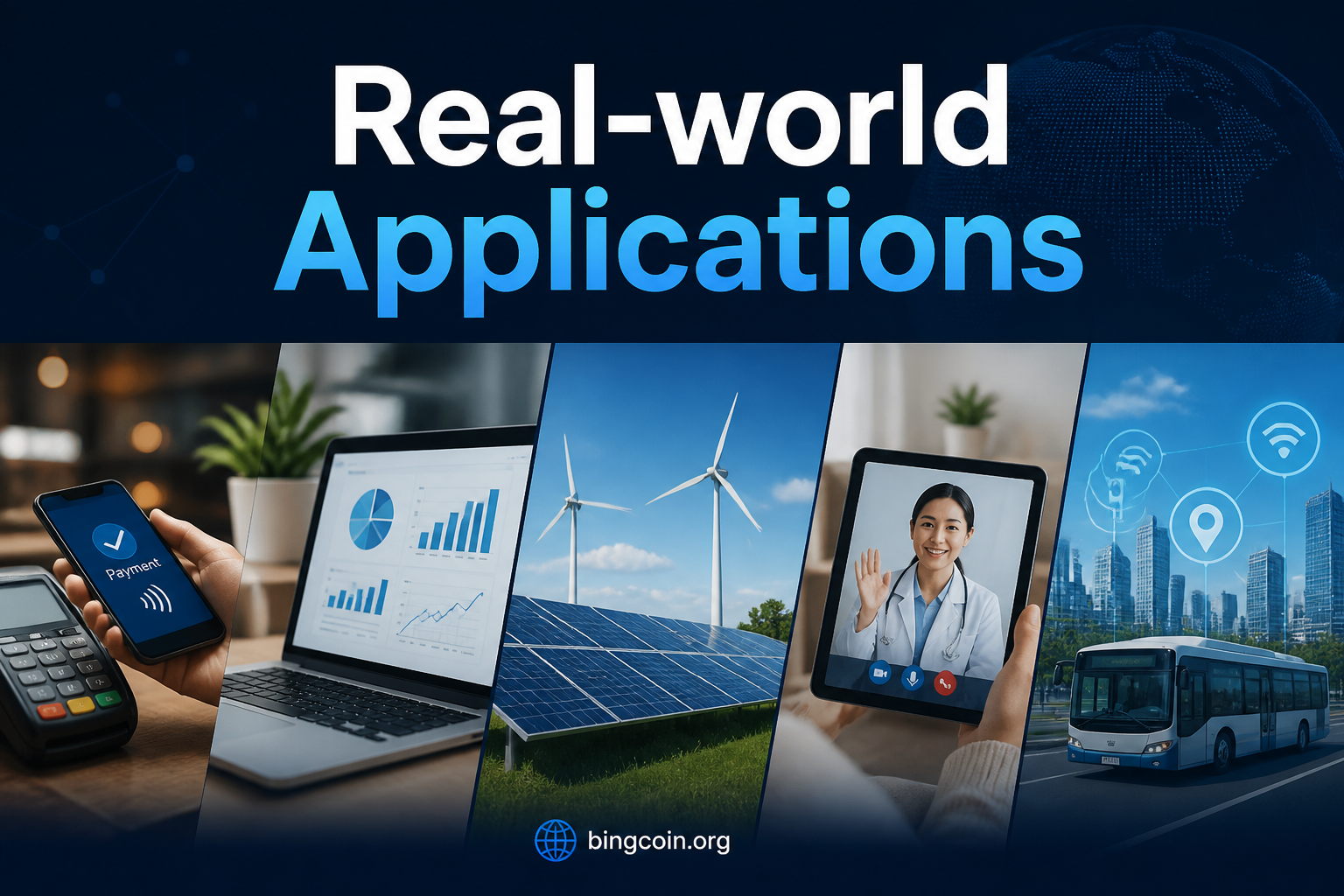
Smart contracts have a broad range of applications across various industries:
- Finance: Automating loan agreements, escrow services, and insurance claims.
- Supply Chain Management: Tracking goods’ journey from manufacture to delivery, ensuring transparency and efficiency.
- Healthcare: Managing patient records and automating billing processes securely.
- Real Estate: Executing property transfers without the need for lawyers or brokers.
Challenges and Limitations

Despite their advantages, smart contracts face several challenges:
- Complexity: Crafting precise code is crucial as errors can lead to costly consequences.
- Legal Recognition: The legal status of smart contracts varies across jurisdictions, complicating enforcement.
- Scalability: The current blockchain infrastructure can limit the efficiency and speed of executing smart contracts, especially with increased usage.
Future Outlook

The future of smart contracts looks promising as they continue to evolve and integrate with other technologies such as Internet of Things (IoT) and artificial intelligence. With ongoing developments in blockchain technology, smart contracts may become the backbone of many industries, reshaping conventional contractual relationships and providing more robust, automated solutions.
Smart contracts represent a pivotal advancement in how agreements are formulated and executed, offering reliable, efficient, and secure alternatives to traditional methods. However, as with any technology, they come with their own set of challenges and limitations. As the technology matures, it holds the potential to transform various sectors by automating processes and reducing reliance on intermediaries, promising a future where transactions are seamless and trustless.
Author: Mr. Huynh & Bingcoin Editorial Team