By Mr. Huynh – Published:2026-09-06T12:23:03.723Z
[Disclaimer: All content on bingcoin.org is strictly for educational and informational purposes only and should not be construed as financial, legal, or investment advice. Cryptocurrency trading involves high risk. Always Do Your Own Research (DYOR).]
Understanding Crypto Phishing Scams
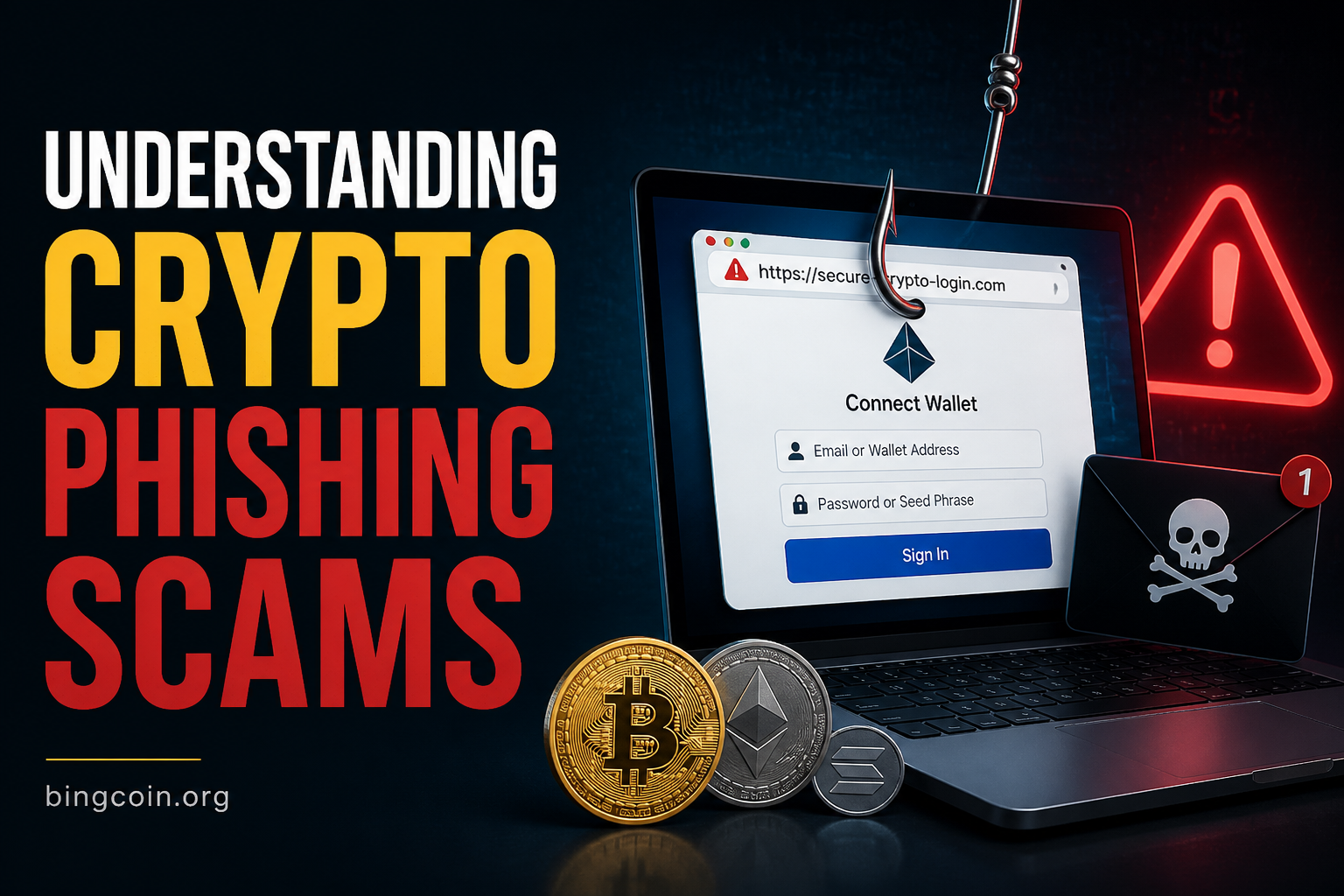
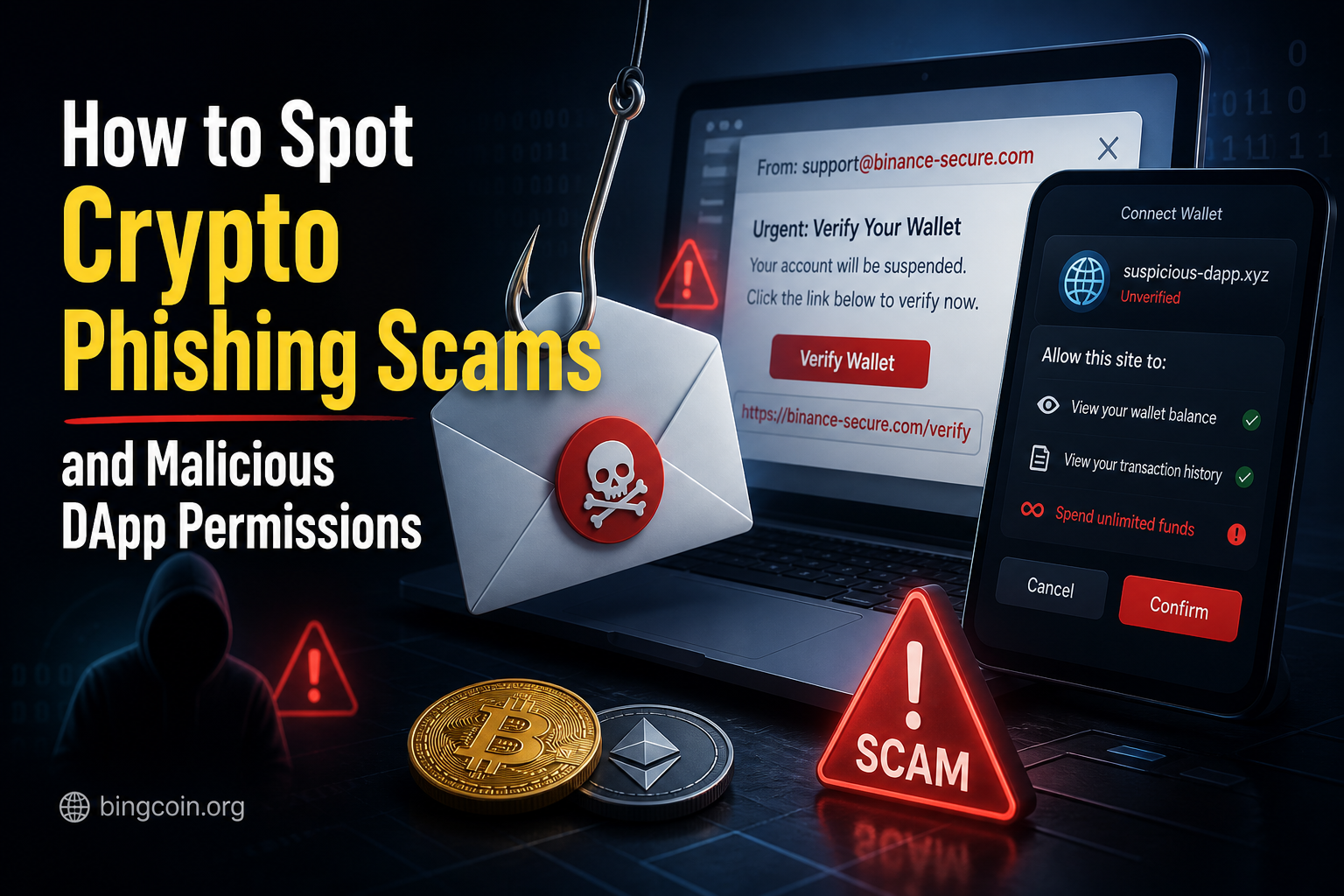
Crypto phishing scams are a type of cyberattack where malicious actors attempt to deceive users into divulging private keys, credentials, or other sensitive information. These scams often masquerade as legitimate communications from well-known crypto platforms or services.
Such phishing attempts can occur through various channels, including email, social media, and even fake websites. They typically employ social engineering tactics to exploit human psychology, creating a sense of urgency or fear to compel users to act without caution.
Email Phishing
Email phishing remains a common vector, where attackers send emails that appear to be from trusted entities. These emails often contain links to fake login pages designed to harvest your login details.
Social Media Phishing
On social media, scammers may impersonate influencers or platform representatives, often offering fake giveaways or investments. These schemes aim to lure users into sharing their private keys or personal information.
Website Phishing
Fake websites are designed to replicate the look of legitimate cryptocurrency platforms. Users are deceived into entering their credentials, which are then captured by the scammers. Always verify the URL carefully before entering any information.
The Anatomy of Malicious DApp Permissions
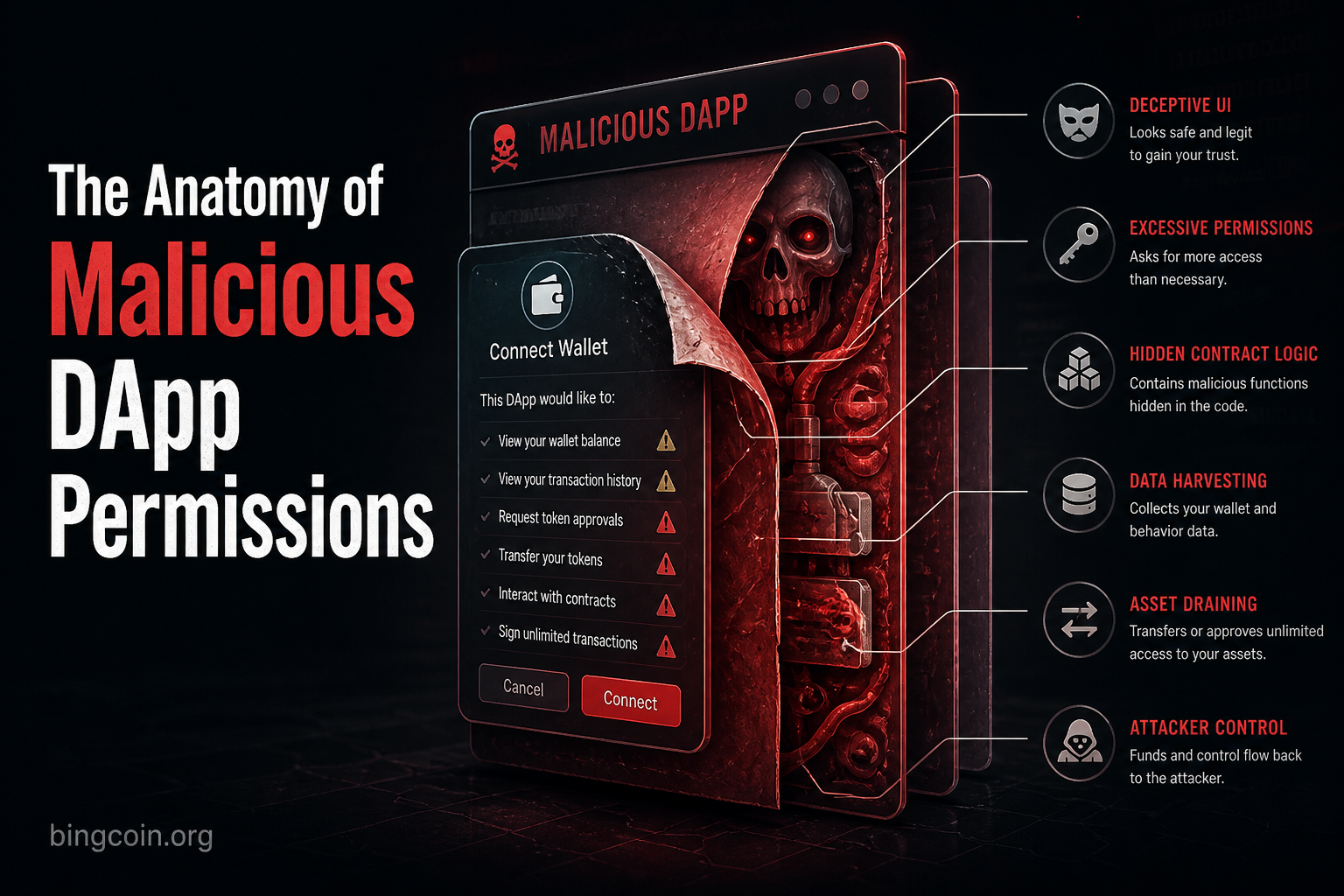
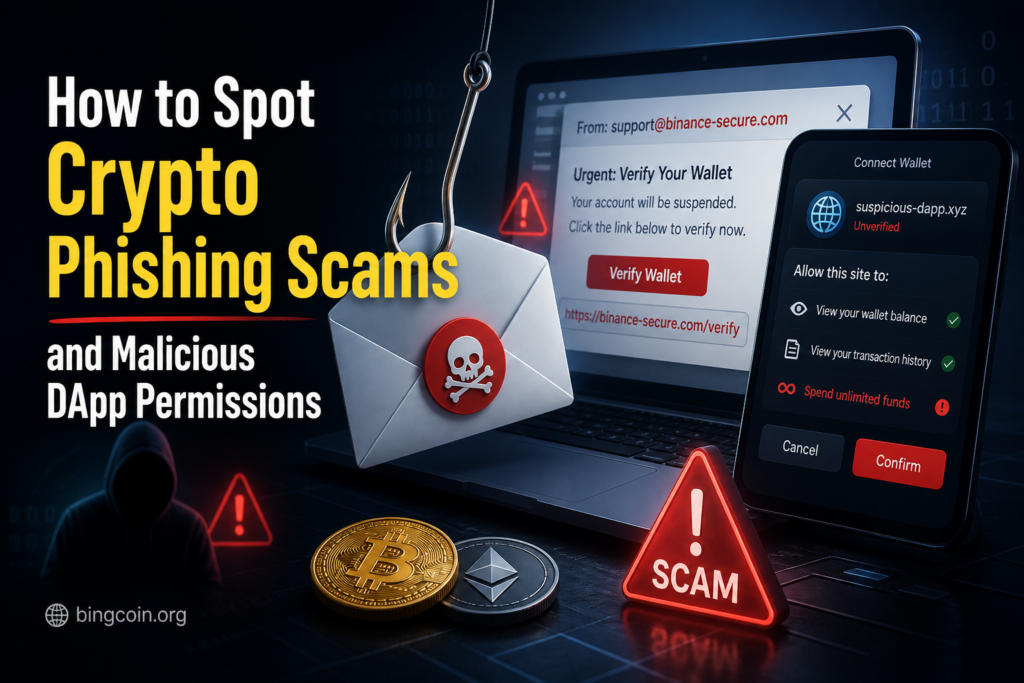
Decentralized applications (DApps) on blockchain platforms enable users to engage with smart contracts directly. However, this innovation can also be exploited. Malicious DApps request excessive permissions that can lead to loss of control over digital assets.
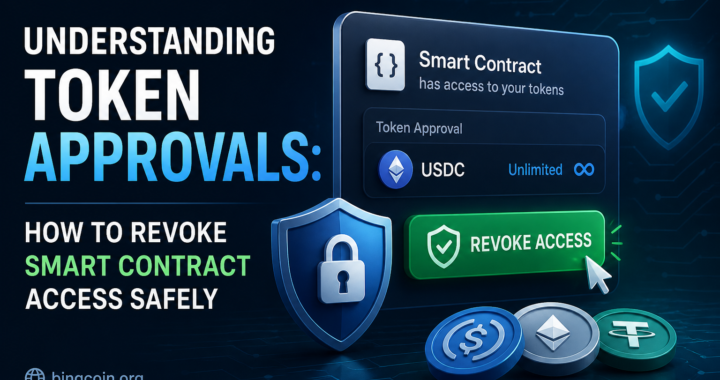
A typical phishing DApp might request unlimited approval to access and transfer tokens from a user’s wallet. If granted, the DApp can siphon off funds at any time without further consent.
Understanding Permissions
Smart contracts may request various permissions to execute transactions. Users should scrutinize every request, ensuring it aligns with the intended action, and revoke unnecessary permissions.
Protective Measures
Before engaging with any DApp, conduct thorough research and verify its legitimacy through community discussions and reviews. Utilize trusted tools like Etherscan to analyze contract details and revoke permissions when no longer in use.
Red Flags of Phishing and Malicious Activity
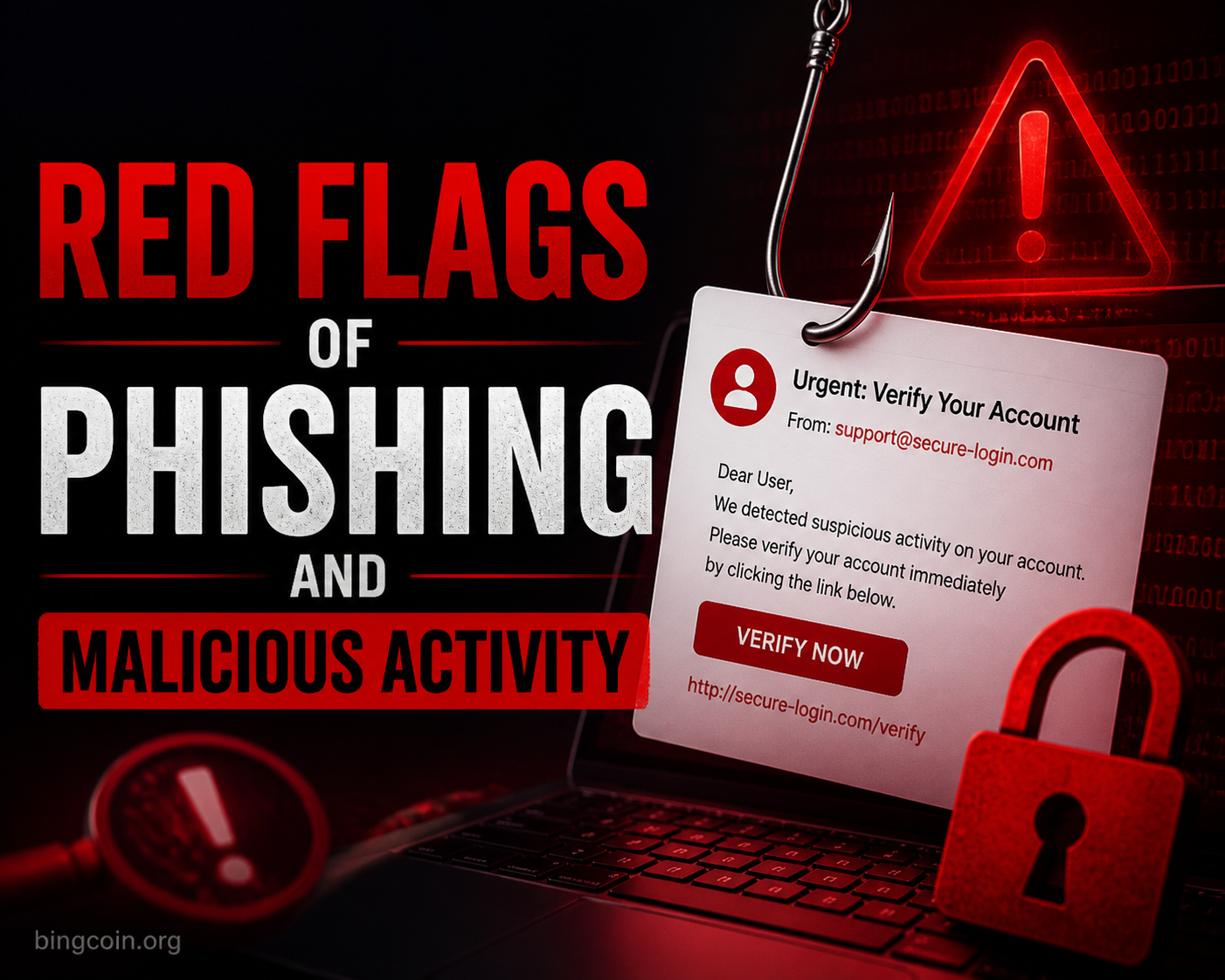
Spotting a phishing scam or malicious DApp requires vigilance and an understanding of common red flags. Recognizing these warning signs can help prevent potential losses.
- Unsolicited Communications: Treat unexpected emails or messages with suspicion, especially those requesting sensitive information.
- Urgency and Fear Tactics: Scammers often create a false sense of urgency. Legitimate organizations rarely demand immediate action under threat.
- Spelling and Grammar Errors: Many phishing attempts contain typographical errors or awkward language, indicative of their fraudulent nature.
- Inconsistent Branding: If logos, colors, or terminology seem off, verify the source through official channels before proceeding.
Case Studies and Real-World Examples

Learning from past incidents can provide insight into how these scams evolve and exploit unsuspecting victims. Here, a few notable cases highlight the mechanics of successful phishing and DApp attacks.
The Classic Exchange Scam
In one infamous case, users received emails purportedly from a major exchange, warning of a security breach. The links redirected to a perfectly cloned site, capturing login credentials.
Fake DApp Exploits
A seemingly innocuous DApp promising high returns through yield farming asked for full wallet access. Users granting these permissions found their wallets drained as funds were stolen via the smart contract.
These examples illustrate the danger of not verifying sources and understanding permissions thoroughly.
Preventive Measures to Protect Your Assets
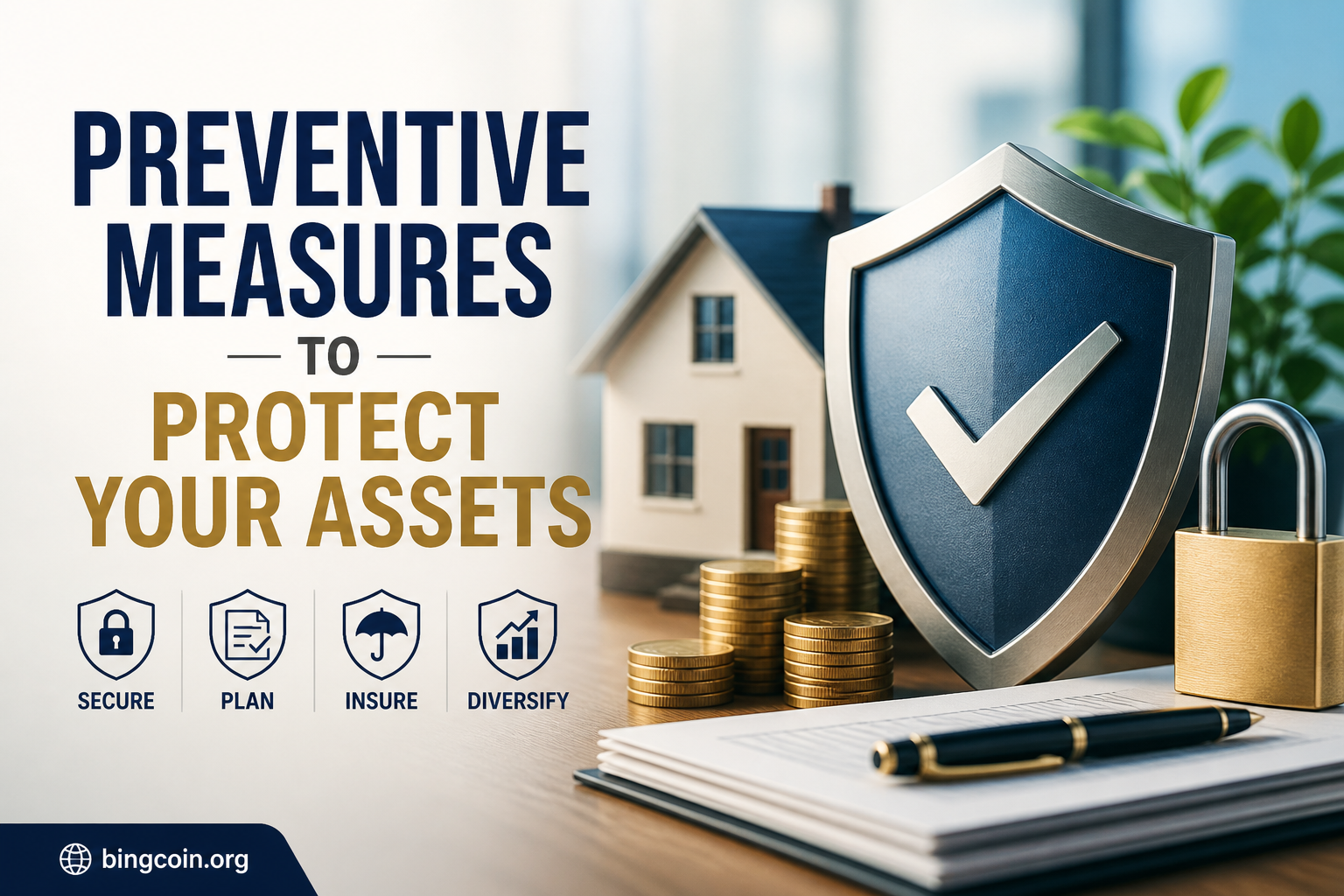
Vigilance and proactive steps are crucial in safeguarding your digital assets against phishing and malicious DApps. Implementing these best practices can significantly reduce risks.
Use Hardware Wallets
Hardware wallets provide an added layer of security by keeping your private keys stored offline, making them less susceptible to phishing attacks.
Enable Two-Factor Authentication (2FA)
2FA adds a critical security barrier. Even if a scammer obtains your credentials, they may be unable to access your assets without the secondary authentication factor.
Regularly Update Software
Ensure all devices used for managing cryptocurrencies have up-to-date antivirus and anti-malware software.
Education and Community Engagement
Staying informed through legitimate crypto communities can alert you to new phishing tactics and dangerous DApps.
Tools and Resources for Enhanced Security
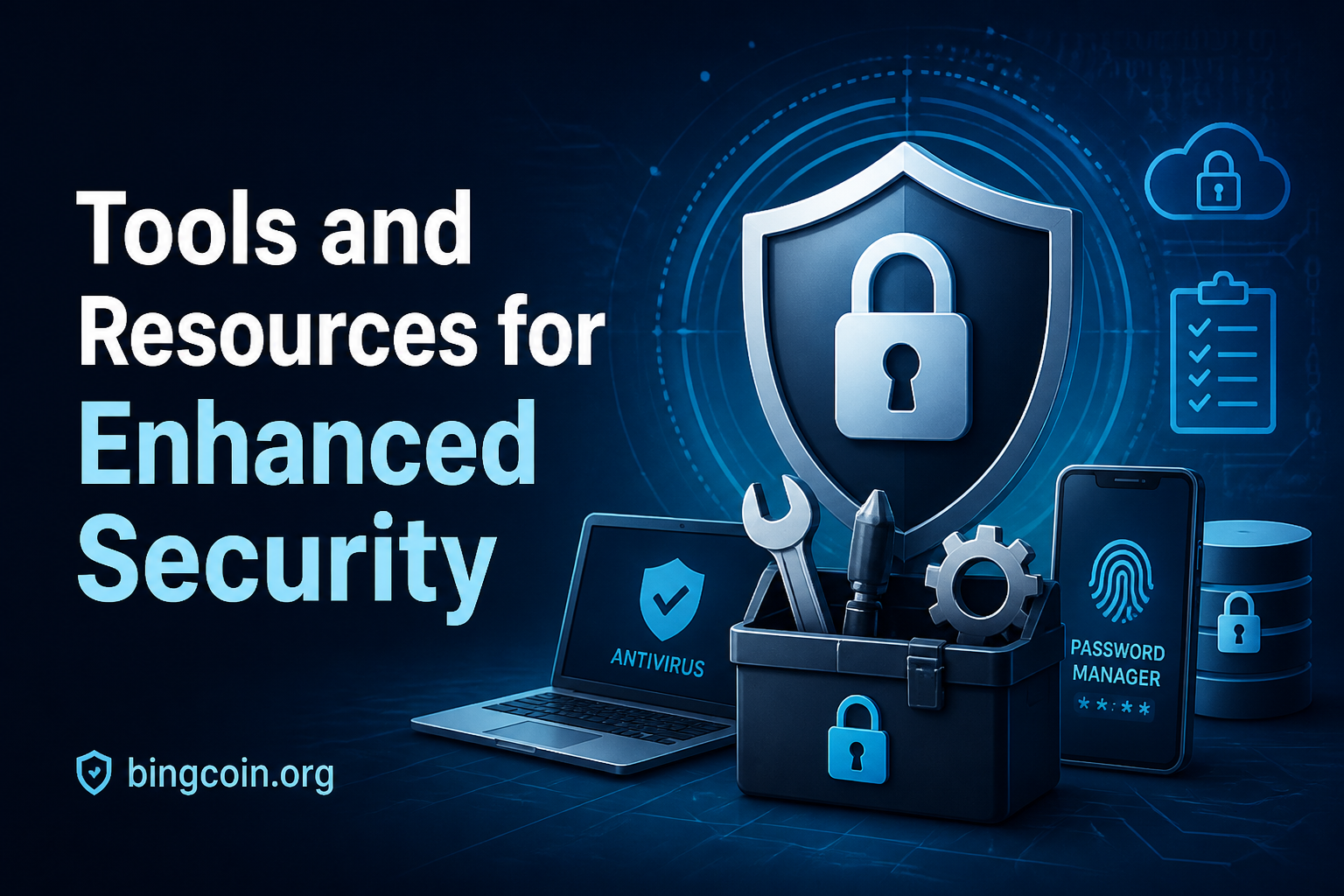
A wide range of tools exists to help detect phishing threats and manage DApp permissions responsibly. Leveraging these resources can greatly enhance your security posture.
- PhishFort: Offers anti-phishing solutions that protect blockchain users from scams and fraudulent interactions.
- Metamask: This popular Ethereum wallet includes built-in phishing protection, warning users of suspicious sites and DApps.
- MyCrypto: Provides a tool to analyze token allowances, allowing users to revoke excessive DApp permissions with ease.
- Etherscan: Offers detailed contract information, enabling users to make informed permission decisions.
As crypto adoption grows, so too does the sophistication of scams and malicious activities targeting this space. Understanding the methods employed in crypto phishing scams and the dangers of DApp permissions is essential to safeguarding digital assets. By combining vigilance with education and utilizing protective tools, users can navigate the crypto ecosystem with greater confidence and security.
References & Further Reading
- CoinGecko — Regular updates on cryptocurrency markets and spotting trends in fraudulent activities.
- Etherscan — Detailed analysis of smart contracts and token transactions for security insights.
- PhishFort — Anti-phishing resources and tips for preventing crypto scams.
- Metamask — Features and guides on security measures within Ethereum wallets.
- MyCrypto — Resource for managing token permissions and understanding security practices.