By Mr. Huynh – Published:2026-09-10T03:03:37.702Z
[Disclaimer: All content on bingcoin.org is strictly for educational and informational purposes only and should not be construed as financial, legal, or investment advice. Cryptocurrency trading involves high risk. Always Do Your Own Research (DYOR).]
The Mechanics of Token Approvals
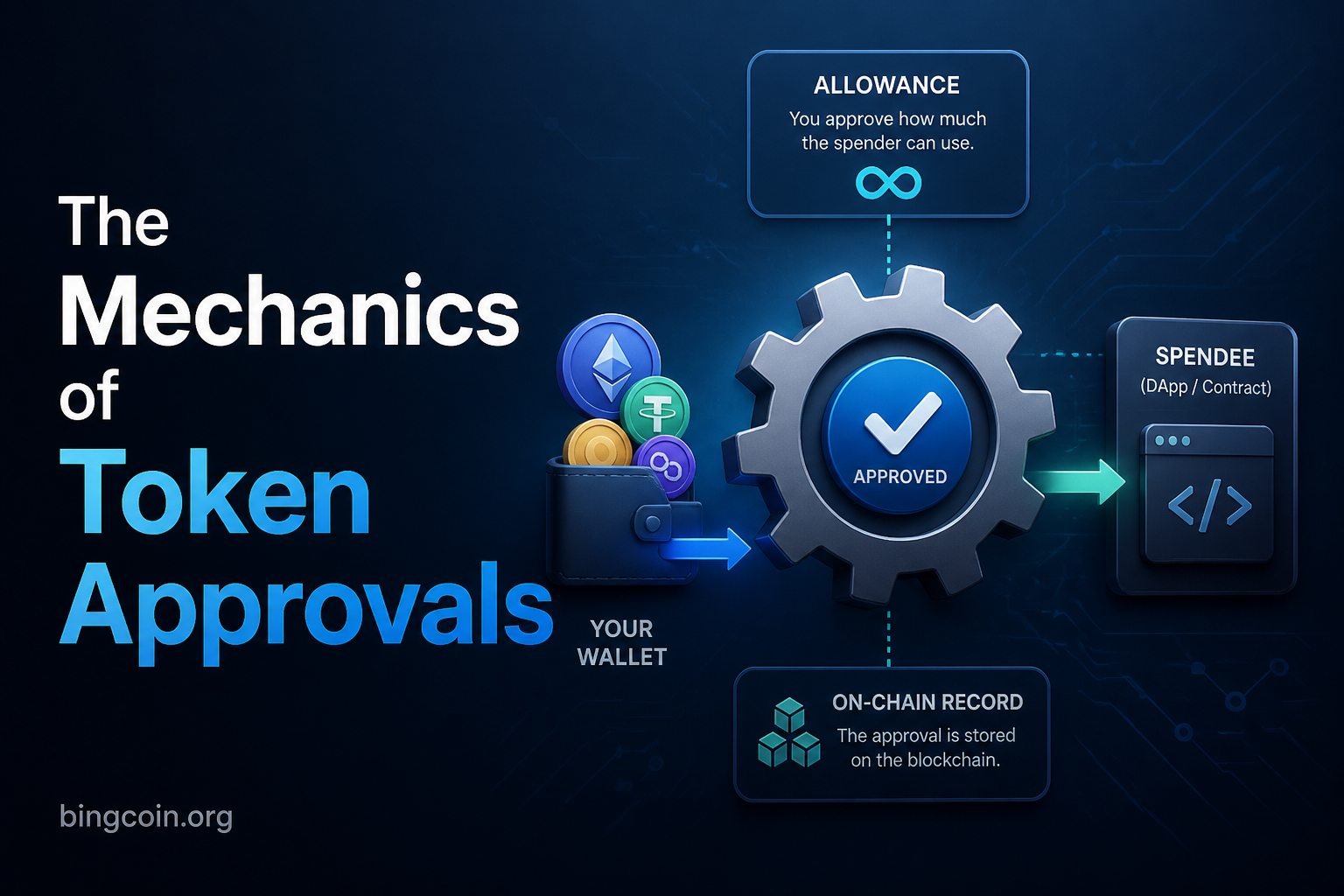
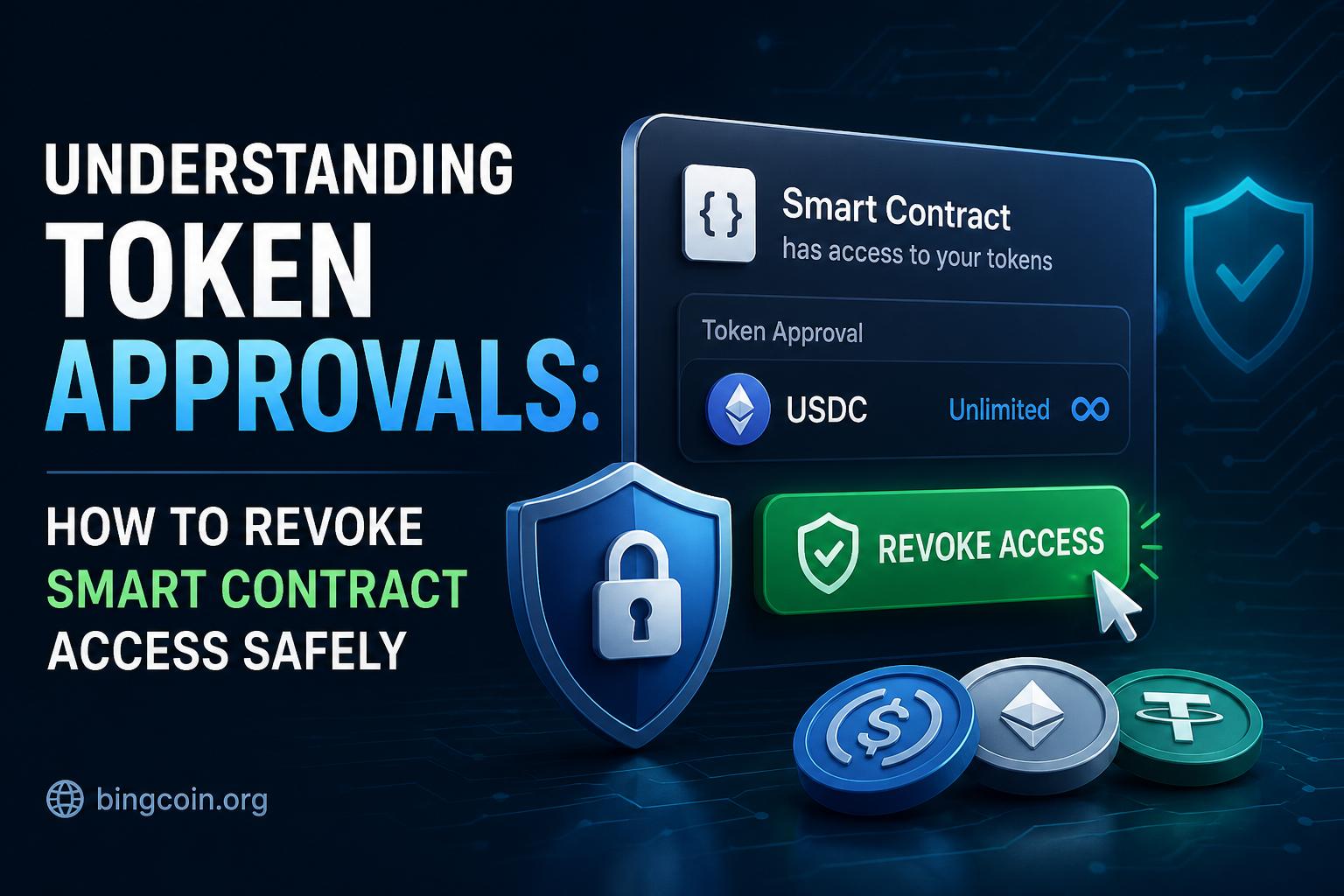
Token approvals are fundamental elements in the Ethereum ecosystem and other blockchains using the ERC-20 standard. They grant permissions to smart contracts, allowing them to manage tokens on behalf of the user. This process is akin to authorizing recurring payments via a credit card in traditional finance. Once granted, smart contracts can perform operations such as transfers without needing further consent for each transaction.
Technically, token approvals involve an ‘approve’ function within the token’s smart contract, permitting another address—usually a smart contract—to spend a specified amount from the owner’s balance. This interaction is crucial for decentralized exchanges (DEXs), lending platforms, and automated market makers (AMMs), enabling seamless transactions and liquidity provision.
Understanding the Risks of Token Approvals
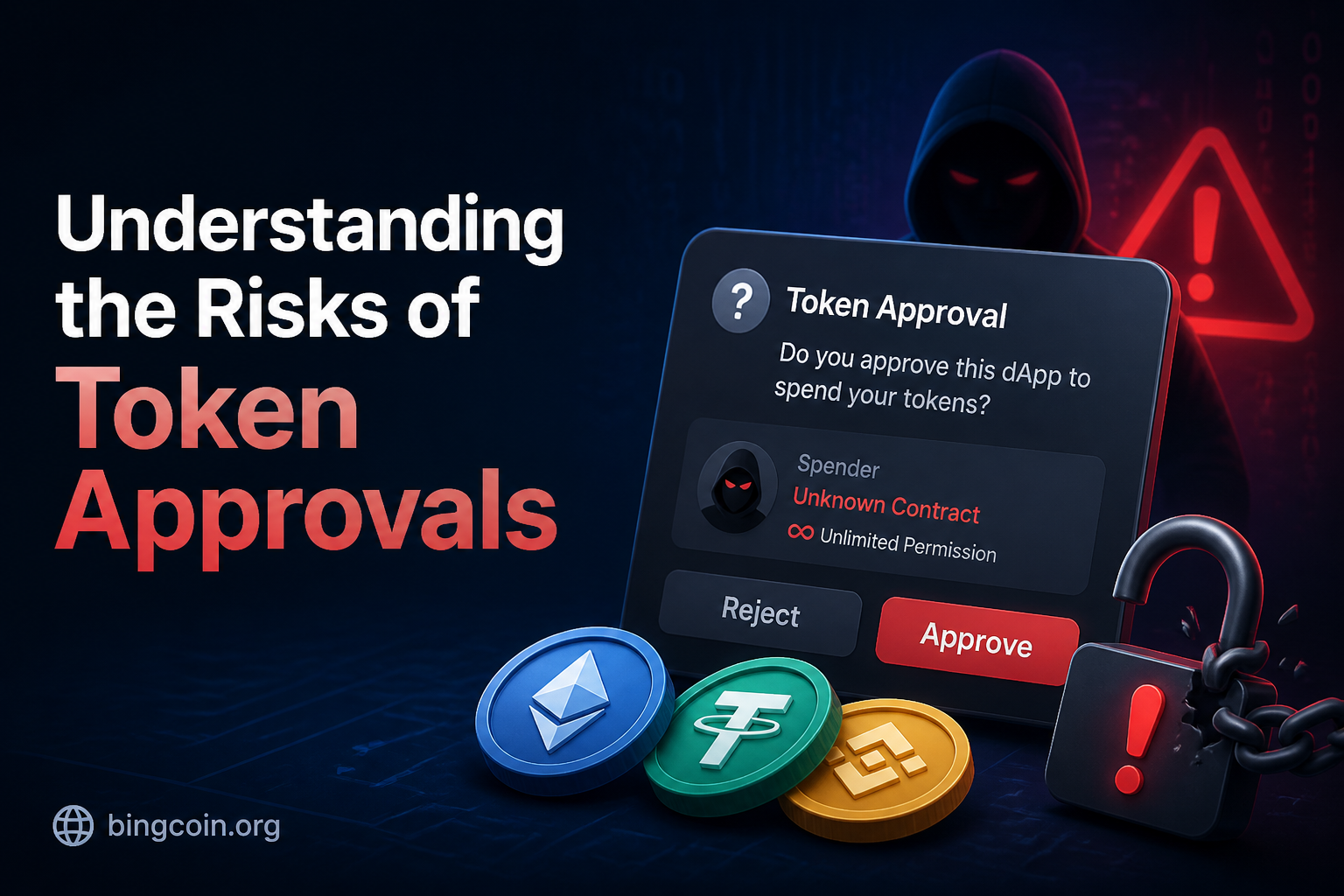
While token approvals are an enabler of automated functionality and flexibility within the DeFi space, they also present security risks. Once a smart contract is approved to access your tokens, it retains this ability until explicitly revoked. This longevity potentially exposes assets to unauthorized access if the contract is compromised or contains vulnerabilities.
Certain malicious smart contracts might exploit the approval to manipulate or drain user funds without their immediate knowledge. Therefore, users must regularly audit and manage their token approvals. It is vital for maintaining a security-conscious posture in the blockchain space.
How to Safely Revoke Token Approvals
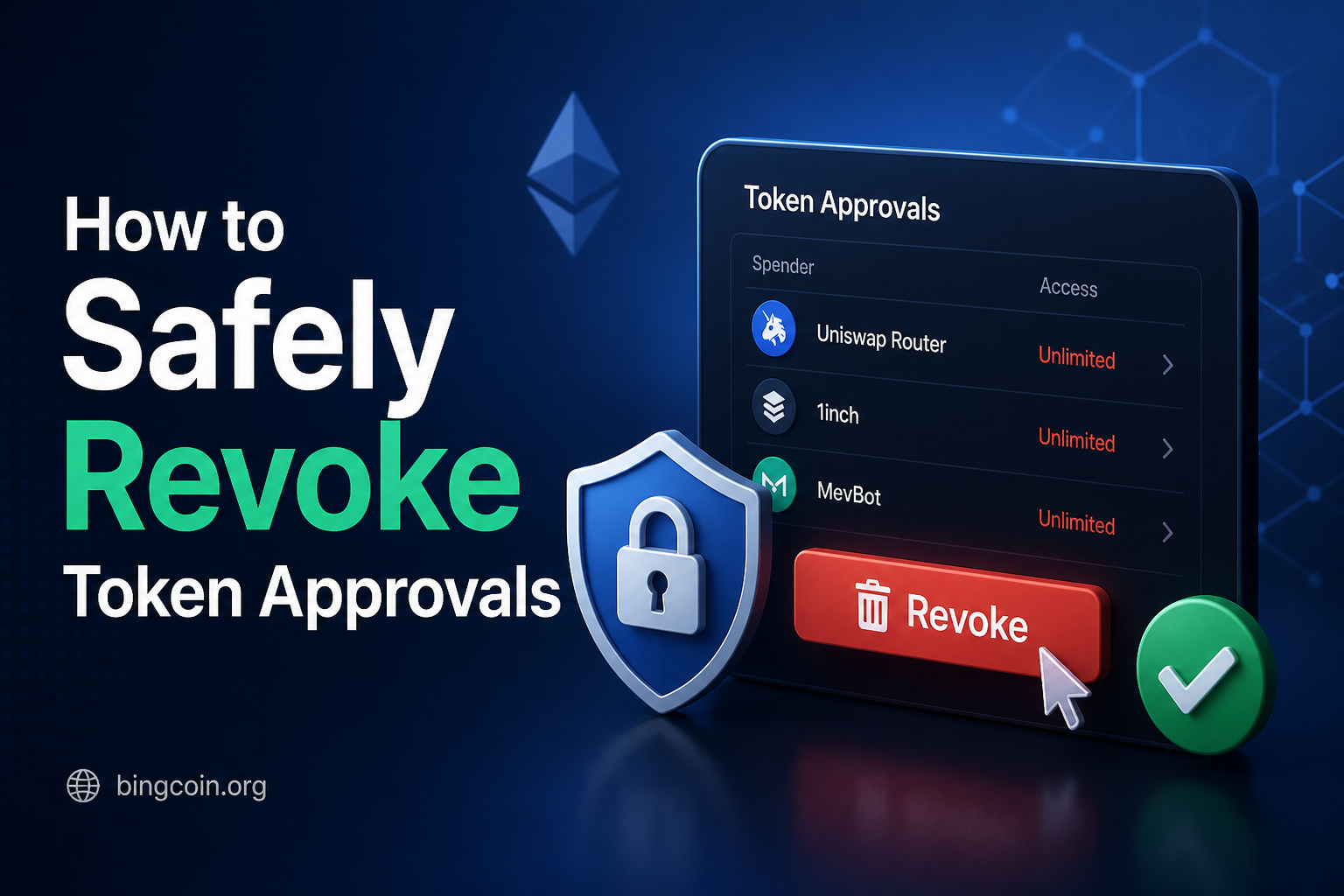
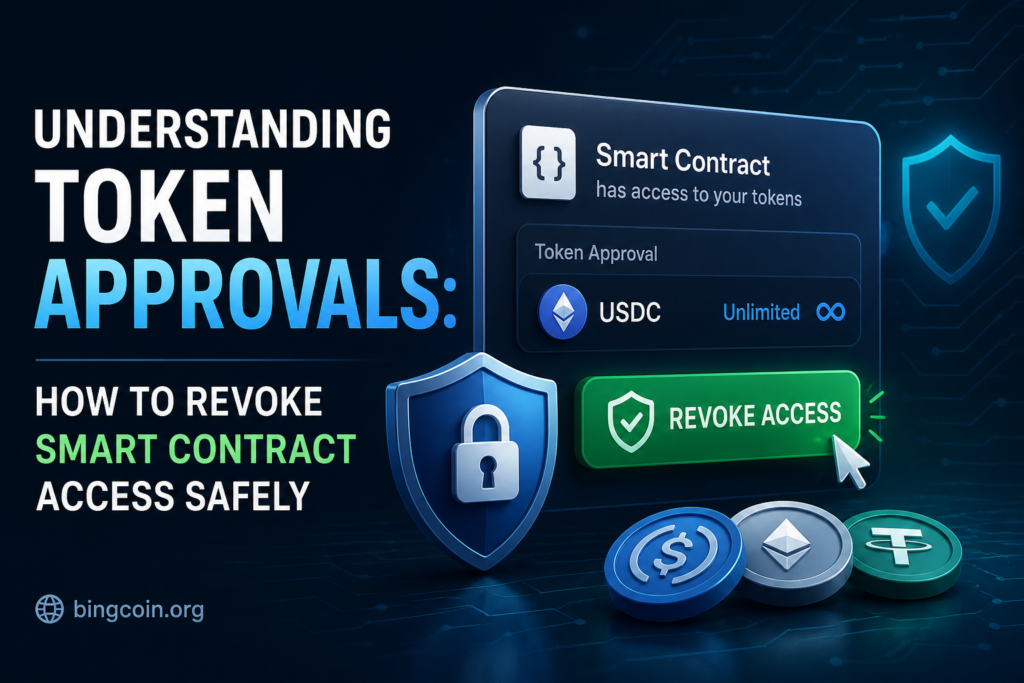
Revoking token approvals is an essential step in managing crypto asset security. The process involves several steps that ensure smart contracts no longer hold permissions to interact with your tokens:
- Use Reputable Platforms: Tools like Etherscan’s Token Approval Checker can help users review and revoke permissions granted to smart contracts.
- Regular Audits: Conduct regular reviews of existing token approvals to ensure security protocols are followed.
- Understand Smart Contract Risks: Before interacting, understand the contracts involved. Trust and audit the code where possible, especially for lesser-known tokens and contracts.
By proactively managing approvals, you can significantly mitigate the risk of unauthorized token access.
Tools and Platforms for Managing Token Approvals
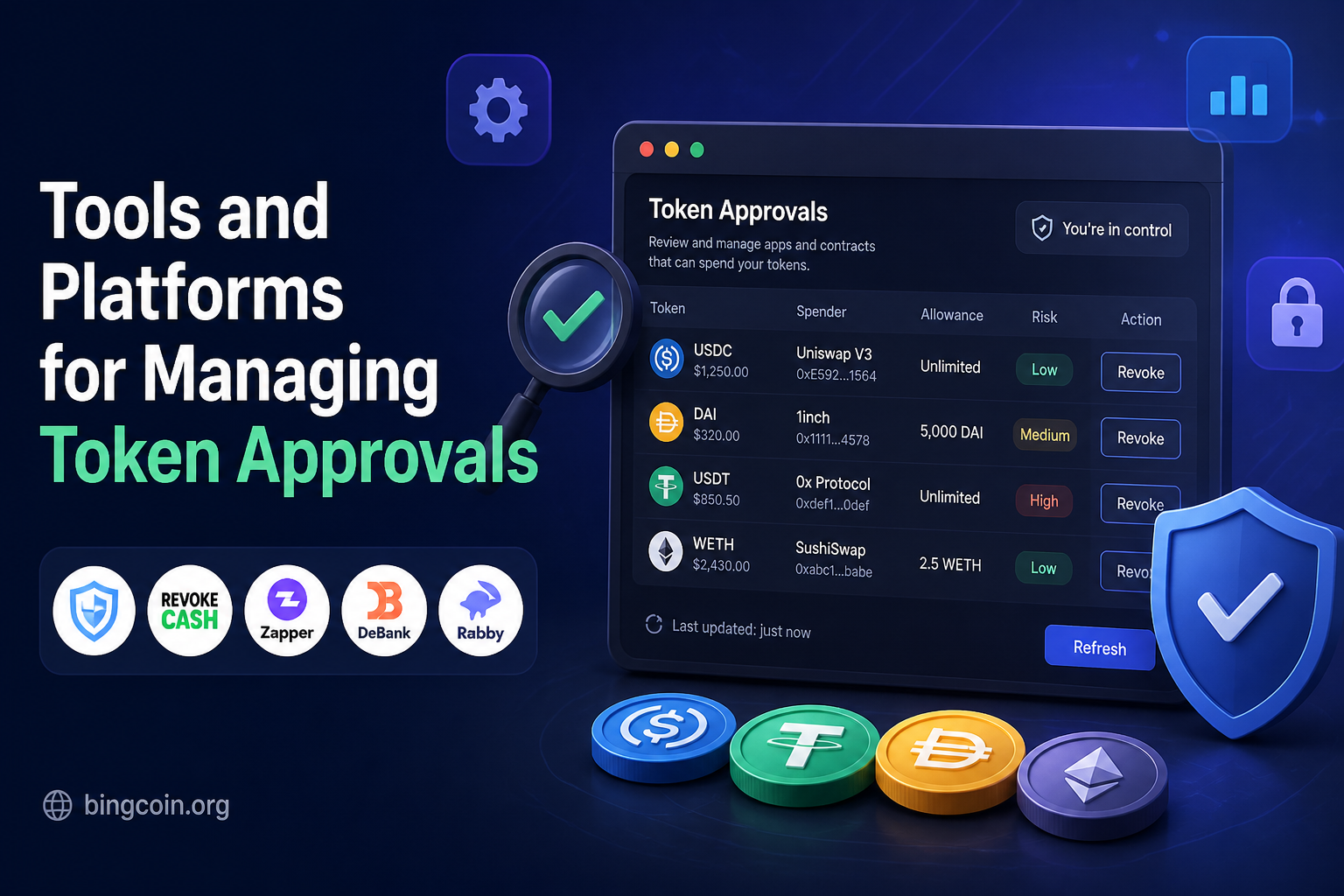
A variety of blockchain tools empower users to manage token approvals effectively:
- DeBank: A DeFi portfolio tracker that provides comprehensive insights into the tokens and smart contracts an account interacts with, allowing easy revocation.
- Zerion: Offers an interface to manage your DeFi and NFT portfolios, including token approval controls.
- MetaMask: Popular wallet that has enhanced its user interface to help users manage contract interactions more intuitively.
These platforms provide user-friendly interfaces to monitor and control smart contract permissions, reducing potential risks associated with token approvals.
Strategic Considerations for Token Security

Incorporating strategic practices in token management can fortify your security stance:
- Limit Approvals: Only authorize essential amounts required for intended transactions. This minimizes the potential impact of a compromised contract.
- Continuously Educate: Keep abreast of advancements and vulnerabilities within the blockchain ecosystem. Continuous education helps in making informed security decisions.
- Diversify Accounts: Use multiple wallet addresses to segregate assets, reducing risk exposure from a compromised single account.
These strategies should form part of a holistic approach to managing blockchain assets, emphasizing proactive security measures.
Token approvals are a double-edged sword in the ecosystem of decentralized finance—facilitating automation and innovation, yet introducing potential vulnerabilities. As the blockchain domain continues to evolve, so too does the sophistication of security threats. Therefore, a proactive and informed approach to managing token approvals is crucial.
Understanding the mechanics of token approvals, identifying risks, using reputable tools for revocation, and applying strategic security practices will enhance your resilience against unauthorized access. By maintaining vigilance and continuously educating oneself on the evolving landscape, users empower themselves to harness the full benefits of blockchain technology safely.
References & Further Reading
- Etherscan — Essential tool for checking and managing token approvals.
- DeBank — Platform for detailed insights into DeFi portfolios and token management.
- Zerion — Interface for managing DeFi assets and token approvals.
- MetaMask — Popular cryptocurrency wallet with tools for managing smart contract interactions.
- Ethereum Blog — Articles explaining the intricacies of smart contracts and token standards.


