By Mr. Huynh – Published:2026-08-28T07:47:58.281Z
[Disclaimer: All content on bingcoin.org is strictly for educational and informational purposes only and should not be construed as financial, legal, or investment advice. Cryptocurrency trading involves high risk. Always Do Your Own Research (DYOR).]
Understanding Hot Wallets
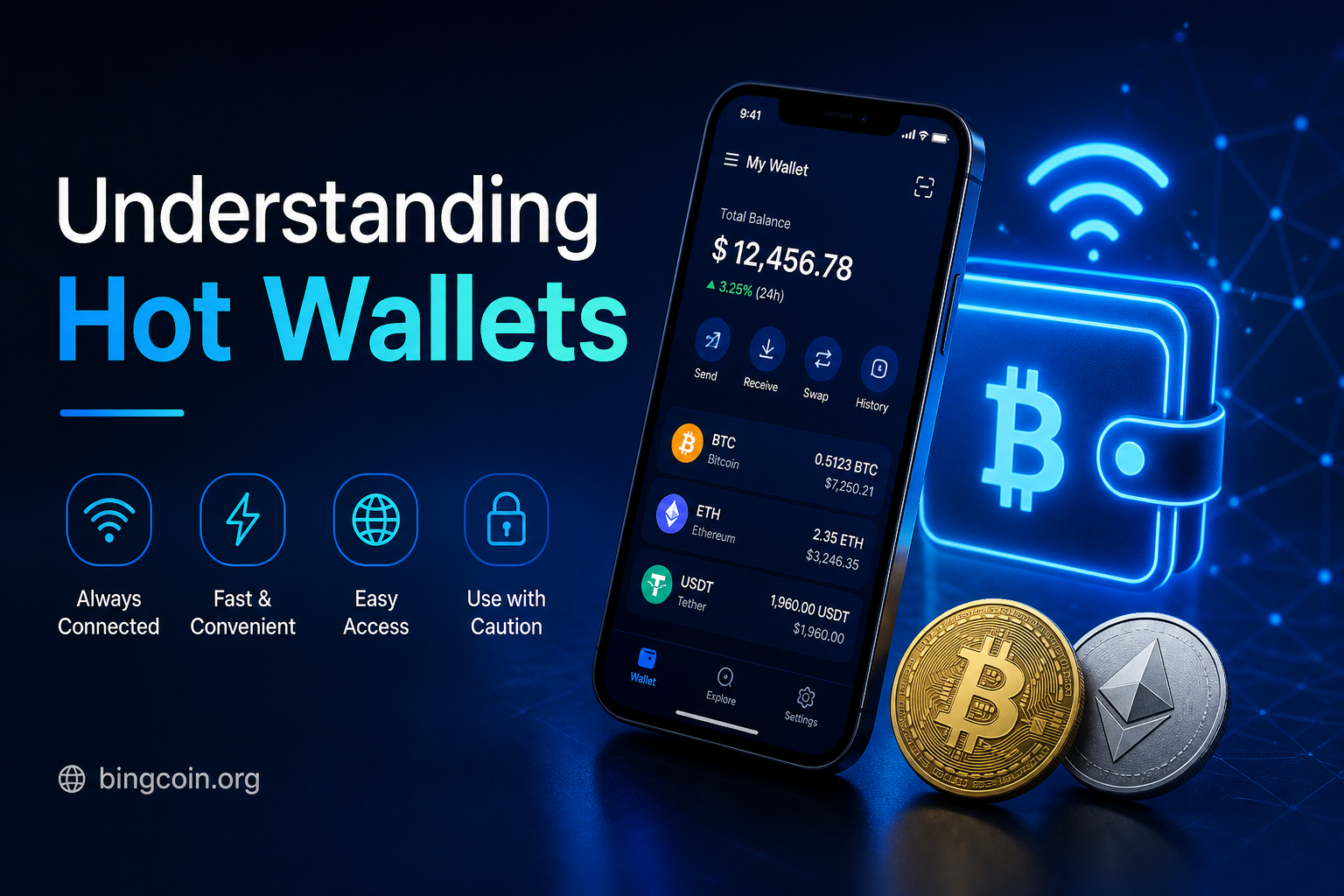
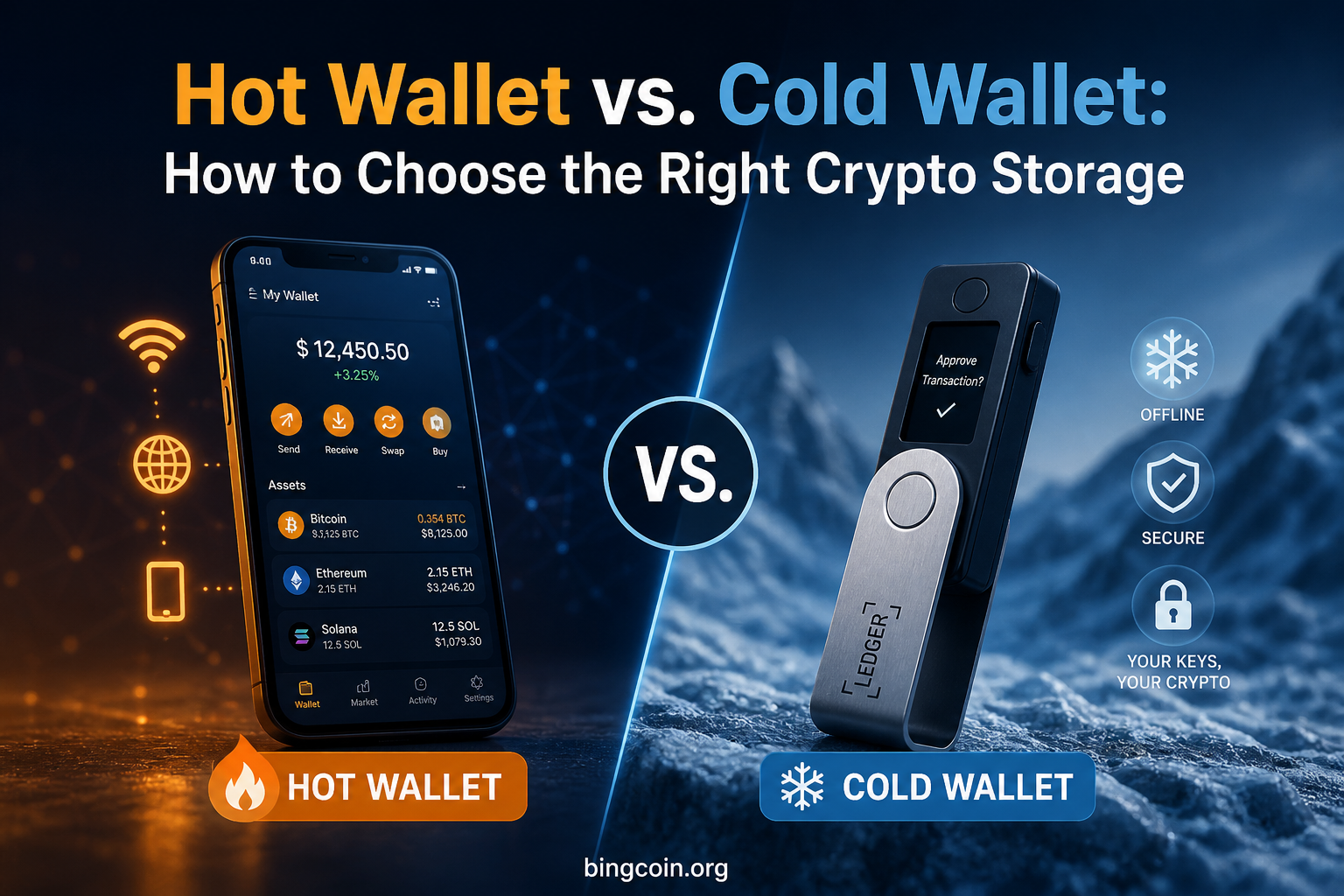
Hot wallets, integral to the digital currency ecosystem, are online tools designed for cryptocurrency storage and transactions. Their primary allure lies in their immediacy, offering quick and convenient access to cryptocurrencies. Typically, they are connected to the internet and are often part of exchange platforms or mobile applications.
Features and Advantages
Hot wallets are engineered for user-friendliness, making them ideal for those who frequently transact or trade crypto. The connectivity enables real-time transactions, a vital feature for traders who require instant access to the market. They also support a broad range of cryptocurrencies and are often compatible with complex decentralized finance (DeFi) applications, broadening their utility.
Security Considerations
Despite their convenience, hot wallets pose distinct security challenges. Their persistent internet connection renders them susceptible to cyber threats such as hacking, phishing attacks, and malware. Consequently, they are best suited for storing smaller amounts of cryptocurrency, which an individual might use for active trading or daily transactional needs.
Exploring Cold Wallets
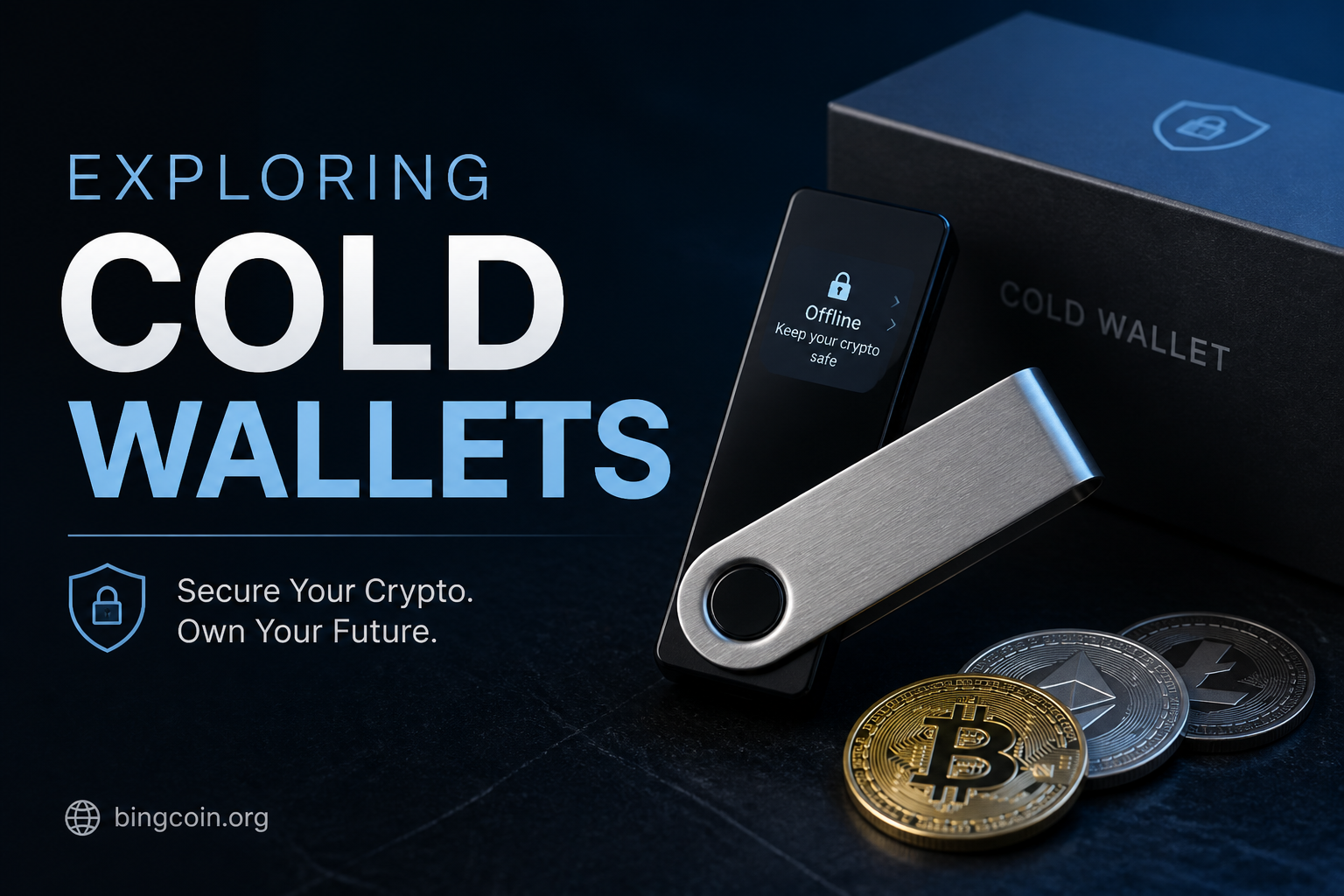
Cold wallets offer an offline storage solution, crucial for safeguarding large quantities of cryptocurrency from online threats. They can take the form of hardware devices or even paper wallets, which store key information like private keys offline.
Features and Advantages
The main advantage of cold wallets is their enhanced security. By remaining disconnected from the internet, they substantially minimize the risk of cyber attacks. This makes them ideal for long-term storage of significant cryptocurrency holdings. Cold wallets often come with robust encryption mechanisms, adding an additional layer of security to the stored digital assets.
Limitations
Nevertheless, their inherent design creates certain limitations. Cold wallets can be cumbersome for users who need quick access to their funds, as transferring assets from cold storage to an accessible state can involve longer processes and incur exchange fees. Furthermore, users must exercise caution in securing the physical device or paper, as loss or damage could result in irreversible loss of access to their funds.
Comparing Hot and Cold Wallets
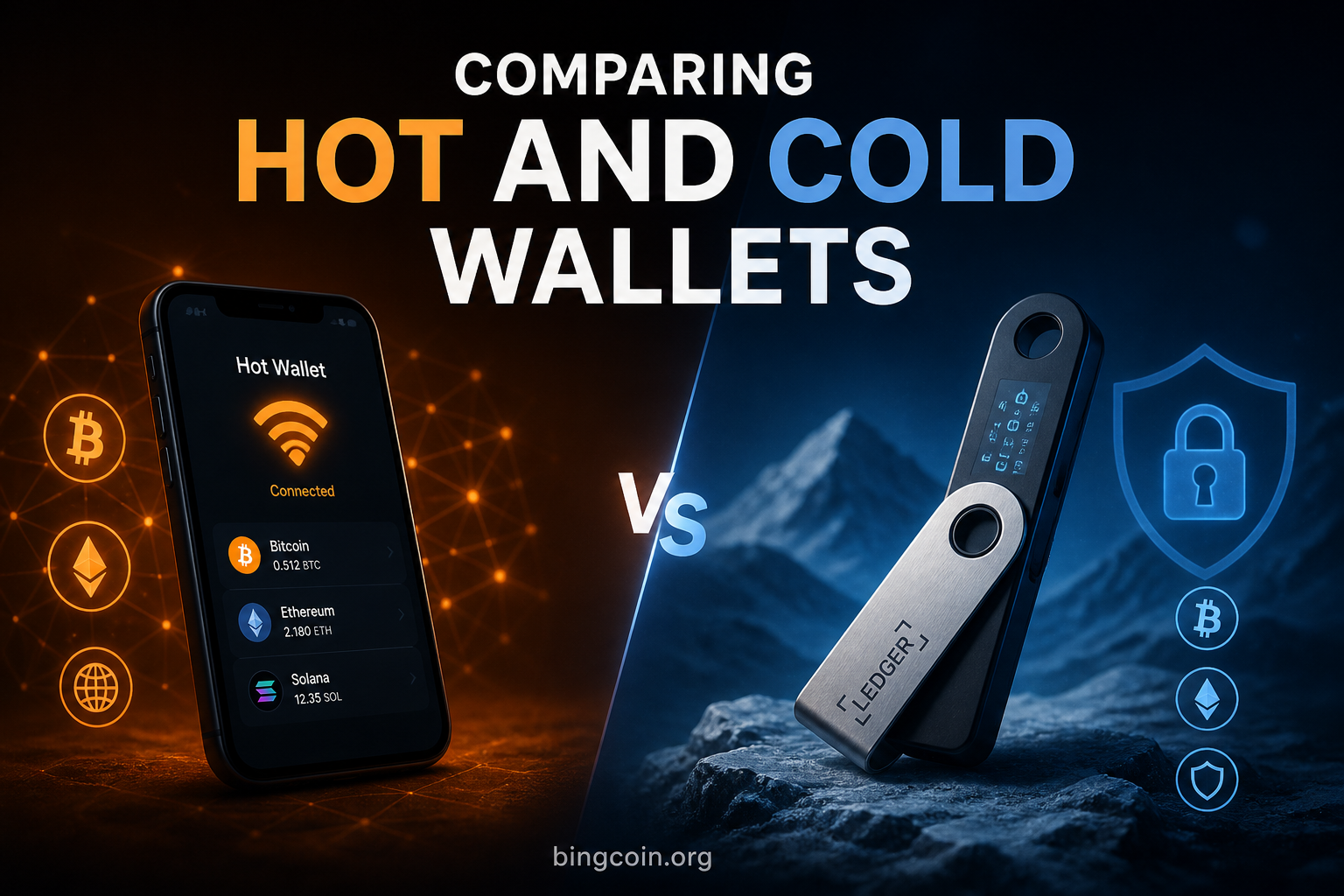
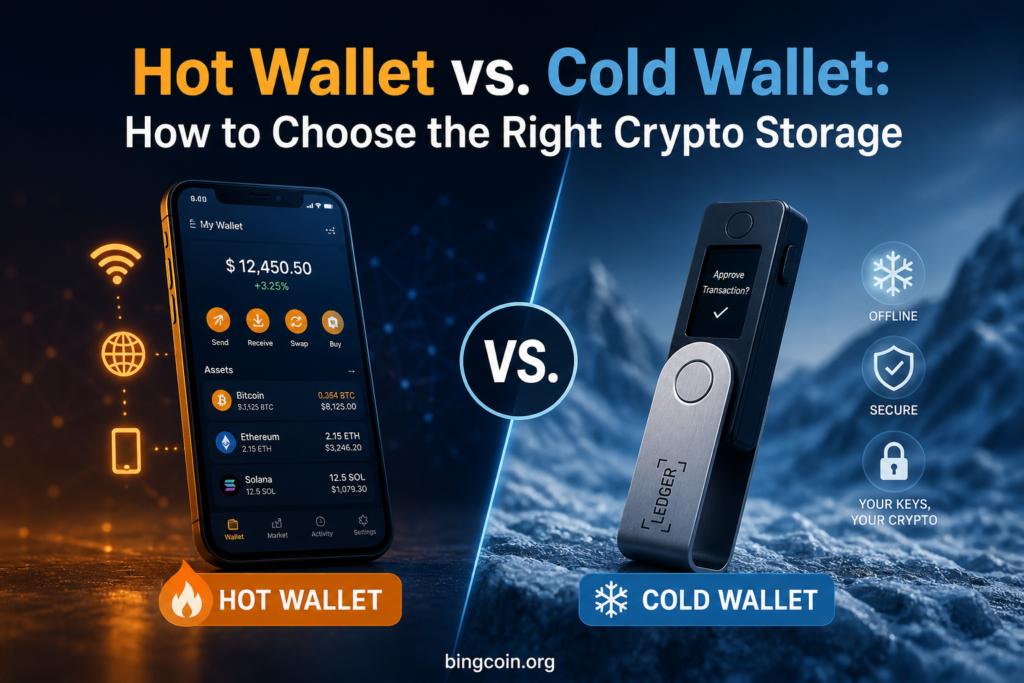
When weighing the pros and cons of hot and cold wallets, users should consider their specific needs and risk tolerance. Each wallet type offers distinct advantages and comes with trade-offs.
| Feature | Hot Wallet | Cold Wallet |
|---|---|---|
| Accessibility | High | Low |
| Security | Moderate | High |
| Transaction Speed | Instant | Delayed |
| Use Case | Active trading and spending | Long-term holding |
| Storage Capacity | Varied, often lower | Typically large |
The choice hinges on an individual’s activities within the crypto space. Active traders may prioritize hot wallets for their quick access, while investors focused on long-term gains might opt for the added security of cold wallets.
Security Best Practices
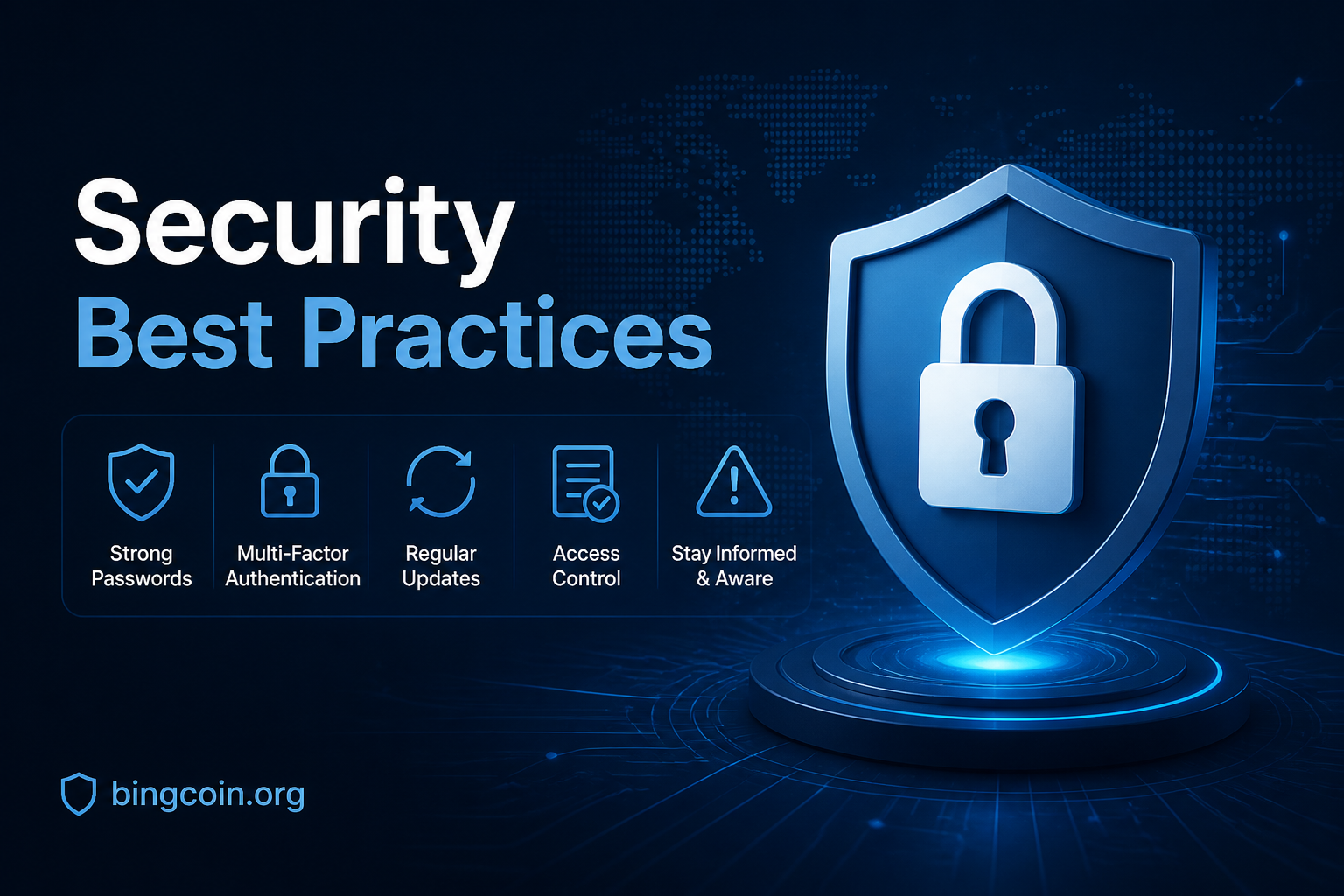
Regardless of the type of wallet chosen, security remains paramount in safeguarding one’s digital assets. Following best practices can significantly mitigate risks associated with both hot and cold storage solutions.
Hot Wallet Safety Measures
To secure hot wallets, users should employ strong, unique passwords and enable two-factor authentication where possible. Regular software updates are crucial, as they often contain patches for known vulnerabilities. Furthermore, storing only small amounts of cryptocurrency in hot wallets as a general rule of thumb limits potential loss in case of a breach.
Cold Wallet Precautions
Securing cold wallets involves keeping the physical device or paper wallet in a secure location. Backups of critical information, such as private keys or recovery phrases, are essential and should be stored separately. Using secure cold wallet devices from reputable manufacturers further enhances security.
Recent Developments in Crypto Wallet Technology
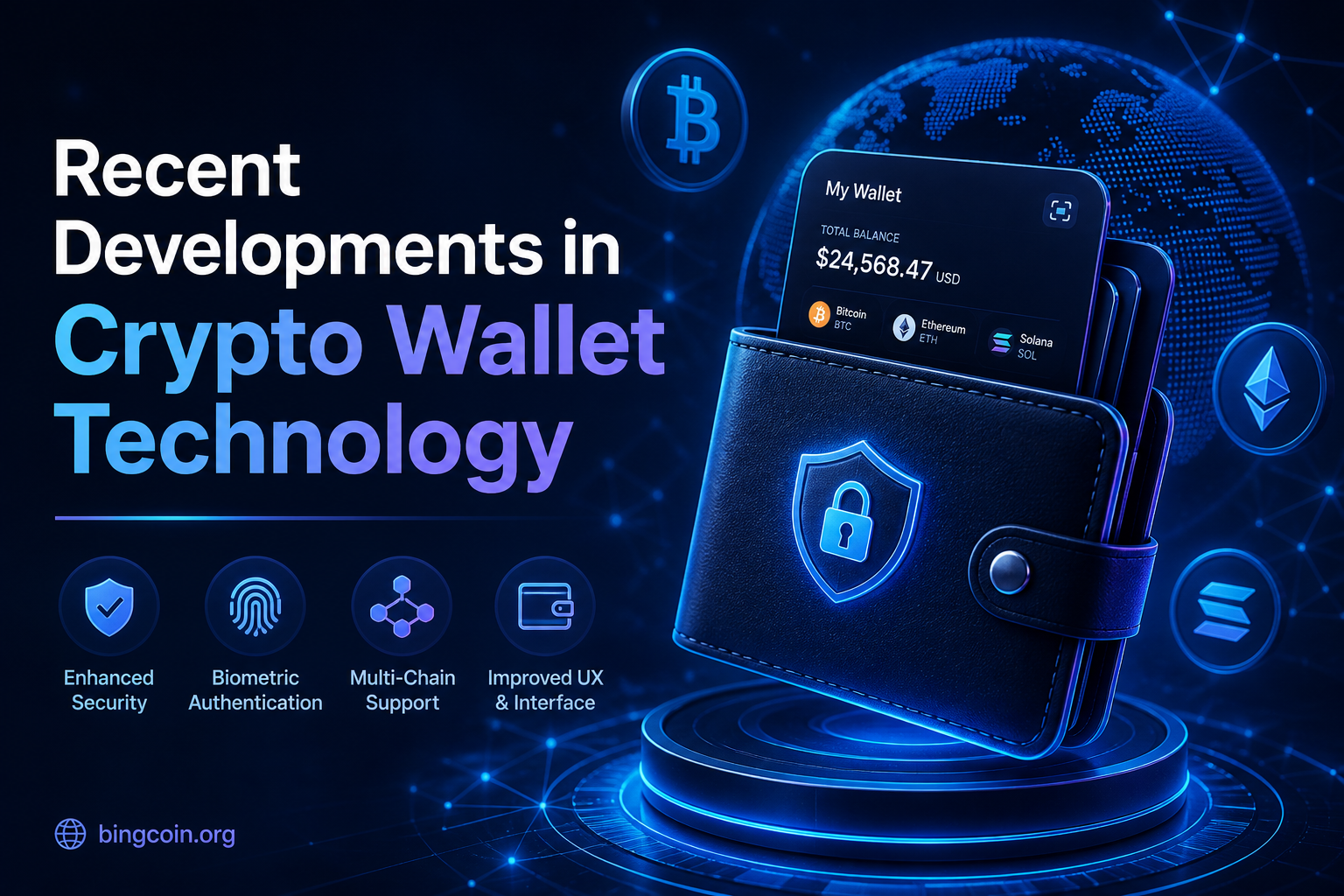
The progression of technology continues to influence the landscape of crypto wallets. Innovations such as the integration of biometric security measures and smart contract capabilities into wallet systems are becoming prevalent, promising enhanced security and functionality.
Moreover, the advent of multi-signature wallets, which require multiple approvals for transactions, is gaining traction. This feature reduces the risk of unauthorized transfers and is particularly beneficial for institutional users.
Efforts towards user-friendly interfaces and better user education, supported by recent studies, aim to widen adoption by reducing the complexity associated with interacting with different wallet types.
Choosing the Right Wallet for Your Needs
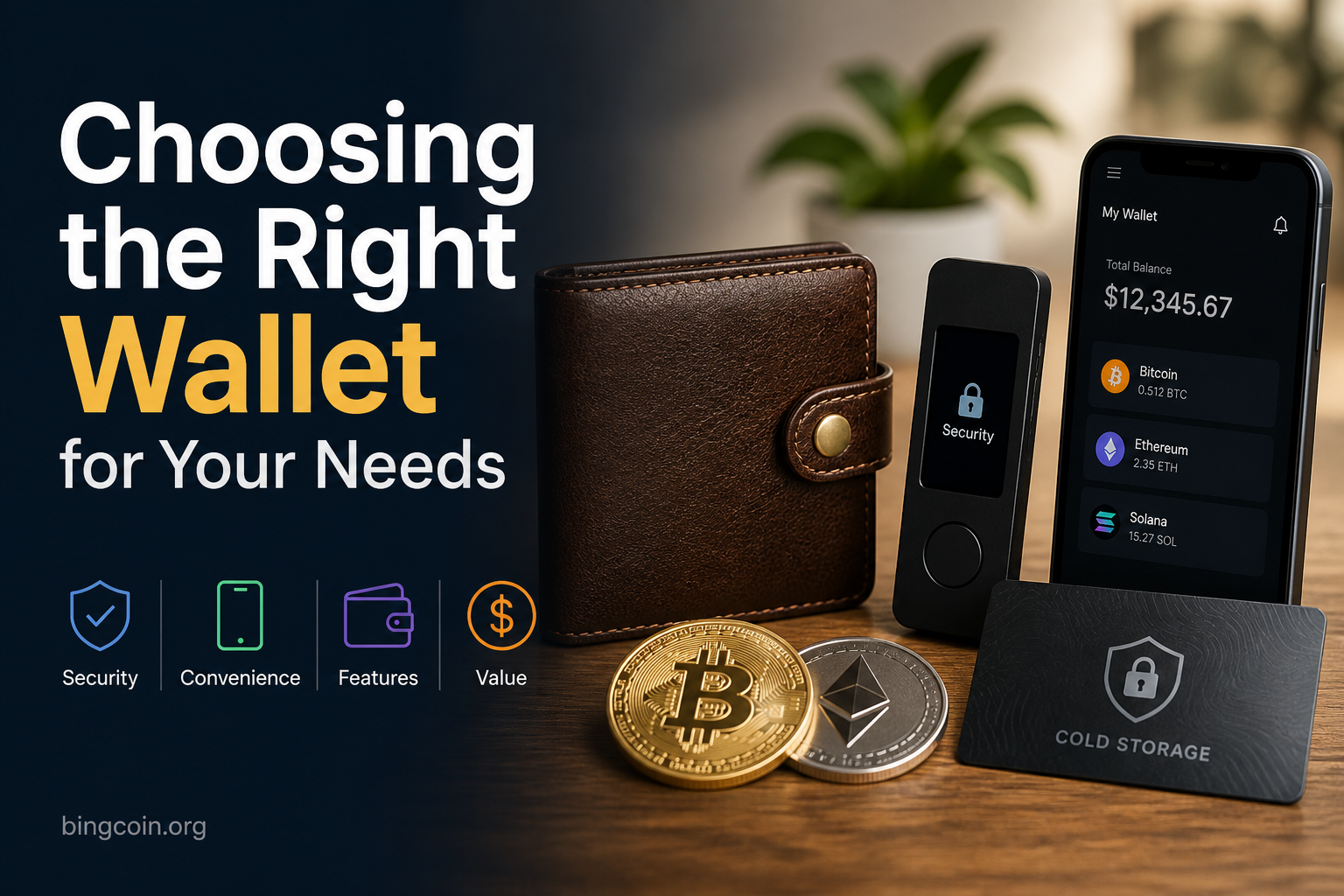
The decision between a hot wallet and a cold wallet should be driven by a comprehensive assessment of one’s individual crypto activity, risk appetite, and storage need. For day-to-day trading activities and regular transactions, a hot wallet may be more suitable. In contrast, those intending to hold substantial crypto wealth for extended periods might prioritize the security offered by cold wallets.
Furthermore, hybrid solutions that combine the services of both hot and cold wallets are increasingly available. These provide a balanced approach, offering the security of cold storage combined with the convenience of hot wallet access.
Ultimately, staying informed and diligent about potential threats and solutions in the crypto landscape remains vital. Regularly reviewing strategies and staying adaptable ensures that storage solutions meet evolving market demands and personal investment goals.
The ever-evolving field of cryptocurrency storage presents varied options tailored to diverse needs. As investors seek optimal solutions, understanding the merits and challenges of hot versus cold wallets is crucial. As the crypto space continues to mature, emerging technologies and practices are likely to further influence how digital assets are managed and safeguarded. For those involved in the crypto domain, maintaining engagement with ongoing developments ensures informed decisions, which are key to securing assets effectively. The next phase in wallet technology will likely introduce further innovations, adding layers of security and convenience, guiding users towards achieving their financial objectives securely.
References & Further Reading
- CoinDesk — An article providing an overview of hot and cold wallets and their advantages.
- Kraken — In-depth discussion on how crypto wallets work and how to safely store cryptocurrencies.
- Gemini Cryptopedia — A comprehensive guide to understanding the different types of cryptocurrency wallets.
- Forbes Advisor — Explanation of cryptocurrency wallets and how they work.
- Binance Academy — Offers insights on keeping your cryptocurrency safe using different types of wallets.